


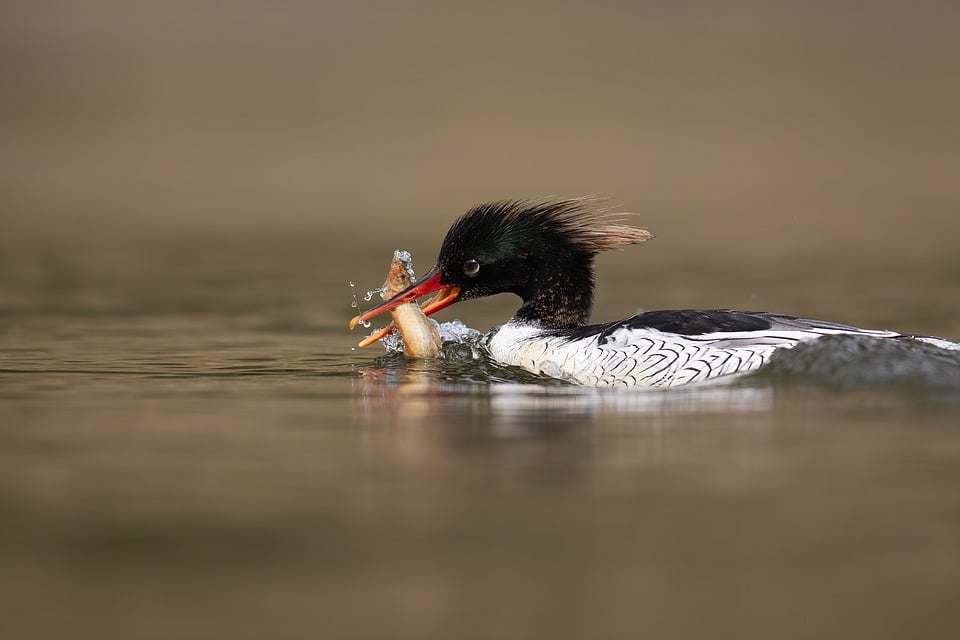











When it comes to fishing, few activities are as thrilling as pursuing predator species such as bass, pike, and muskies. Predator fishing is not just about casting a line; it’s about understanding the environment, employing the right techniques, and outsmarting some of the fiercest fish in the water. This guide aims to equip you with the knowledge you need to conquer the waters and enhance your predator fishing experience.
Understanding Predator Fish
Predator fish are often at the top of the aquatic food chain, utilizing keen senses and sharp instincts to hunt. Species such as largemouth bass, northern pike, muskellunge, and walleye are popular among anglers for their aggressive behavior and the challenge they present. Understanding these species’ behaviors and habitats is crucial for successful fishing.
Largemouth Bass
Largemouth bass are highly sought after due to their fight and availability. They prefer warmer waters with abundant vegetation. These fish are opportunistic feeders that ambush prey, making them particularly susceptible to lures mimicking their natural food sources.
Northern Pike
Northern pike are ambush predators that thrive in shallow waters with plenty of cover. Their long bodies and sharp teeth make them formidable opponents. Targeting pike often involves fishing near weeds or structures where they can hide.
Muskellunge
Often referred to as “the fish of 10,000 casts,” muskies are the ultimate challenge for anglers. They inhabit deeper waters and require persistent efforts, as they can be elusive and are known for their unpredictable behavior.
Walleye
Walleye are nocturnal and often feed during low-light conditions, making fishing during dawn and dusk especially effective. They are often found in deeper, cooler waters, making them a unique target compared to other predator species.
Essential Gear for Predator Fishing
To maximize your chances of success, having the right gear is essential. Here’s a breakdown of the necessary equipment:
Rods and Reels
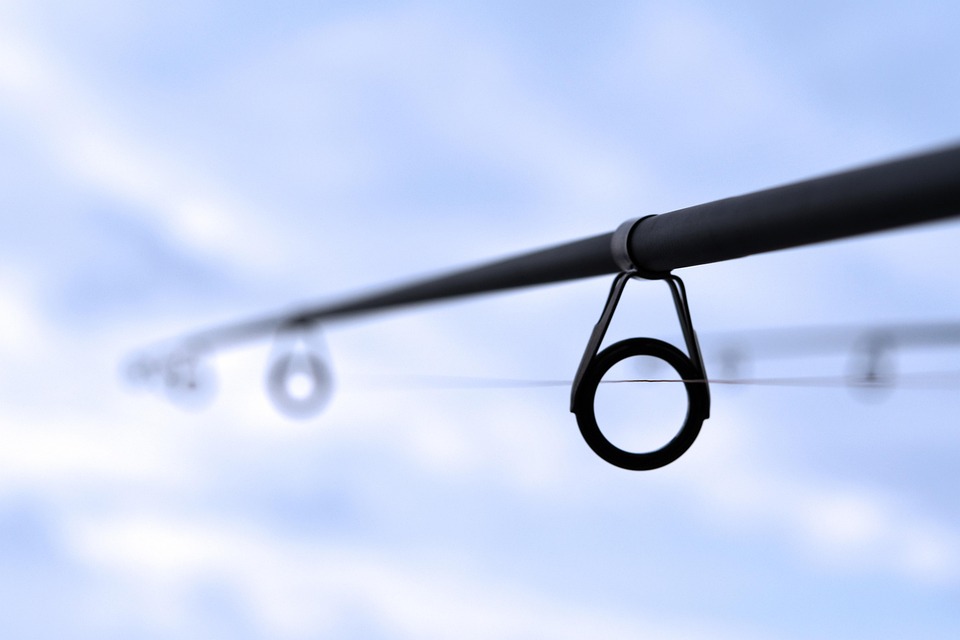
- Rod: A medium to heavy action rod is ideal for casting larger lures and handling strong fish.
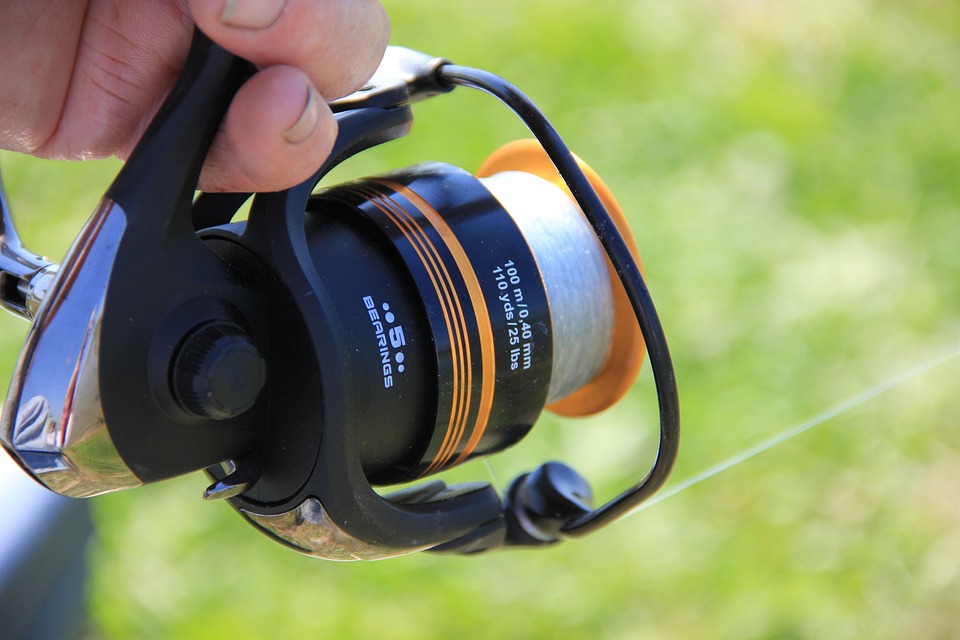
- Reel: A baitcasting reel is preferred for precision and control, especially when targeting larger species.
Line
Using a strong braided line is recommended due to its sensitivity and durability. A 20-50 lb test line is suitable for most predator fishing scenarios.
Baits and Lures
- Topwater Lures: These are effective for largemouth bass, particularly during early mornings and late evenings.
- Jerkbaits: Ideal for pike and muskies, oftentimes mimicking a dying fish.
- Spinnerbaits: Versatile lures that can attract various predator species.
- Swimbaits: Effective during cold conditions when fish are less aggressive.
Techniques for Success
Employing the right techniques is key to landing predator fish. Here are some effective methods:
Location Scouting
Understanding where predator fish are likely to be found is half the battle. Look for areas with:
- Weed beds
- Drop-offs
- Structures like fallen trees or rocks
- Shallow bays
Time of Day
Predator fish tend to be more active during dawn and dusk. If you can time your fishing trips to coincide with these hours, your chances of success will increase significantly.
Retrieval Techniques
- Slow Retrieval: For more cautious fish, slow and steady retrieves can make a lure appear more natural.
- Fast and Erratic: For aggressive species like pike, a fast, erratic retrieve can trigger strikes.
Utilizing Technology
Modern advancements in technology can put you a step ahead. Consider using:
- Fish finders to pinpoint schools of fish
- Smartphone apps for tracking fishing conditions and weather
Fishing Regulations and Conservation
While pursuing predator fish, it’s essential to remain mindful of fishing regulations. These laws help maintain sustainable fish populations and ecosystems. Here are some typical regulations to keep in mind:
- Stay informed about size and bag limits for different species.
- Follow local regulations regarding catch and release practices.
- Observe seasons when certain species cannot be fished.
Additionally, practicing good conservation methods, such as handling fish properly and minimizing the time they spend out of the water, can help ensure that future generations enjoy fishing as well.
Conclusion
Predator fishing is a rewarding and exhilarating experience that combines skill, knowledge, and a bit of luck. Whether you’re a novice angler or a seasoned pro, understanding predator species, employing the right gear and techniques, and following regulations will enhance your fishing outings. So grab your rod, head to the water, and prepare for the thrill that awaits you. With patience and practice, you’ll not only master the art of predator fishing but also cultivate a deeper appreciation for the aquatic environments in which these magnificent creatures thrive.
FAQs
1. What is the best time of year for predator fishing?
The best time varies by species, but generally, spring and fall are prime times for predator fishing as fish are more active and feeding heavily.
2. Do I need a fishing license for predator fishing?
Yes, most regions require a fishing license. Always check local regulations to ensure compliance.
3. Can predator fish be caught from a kayak?
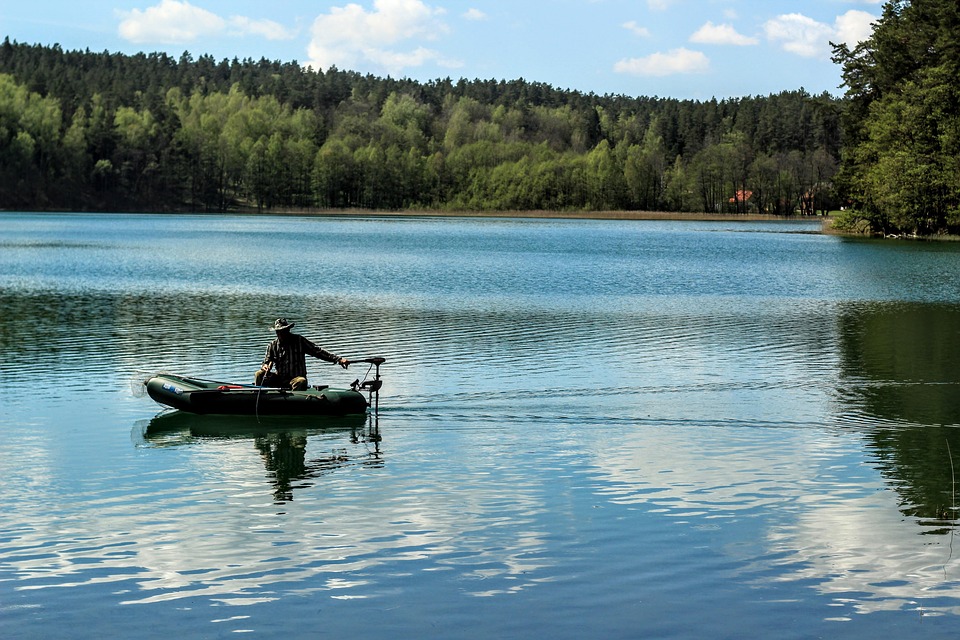
Absolutely! Kayaks offer a unique way to access fishing spots that might be harder to reach from a boat or shore.
4. What types of bait are most effective for predator fishing?
Live bait such as minnows, leeches, and worms can be very effective, along with artificial lures that mimic natural prey.
5. How can I improve my casting distance?
Improving your casting distance can involve practicing your technique, using the right gear, and ensuring your reel is properly adjusted for your line type.
- advanced predator fishing
- aggressive fish fishing
- barracuda fishing
- barracuda lure fishing
- freshwater predator fishing
- large predator fishing
- muskie fishing
- muskie lure fishing
- pike fishing
- pike lure fishing
- predator angling
- predator fishing
- predator fishing baits
- predator fishing destinations
- predator fishing for beginners
- predator fishing gear
- predator fishing guides
- predator fishing lures
- predator fishing reels
- predator fishing rigs
- predator fishing rods
- predator fishing seasons
- predator fishing spots
- predator fishing tactics
- predator fishing techniques
- predator fishing tips
- predatory fish fishing
- saltwater predator fishing
- zander fishing
- zander jigging










Leave a comment