











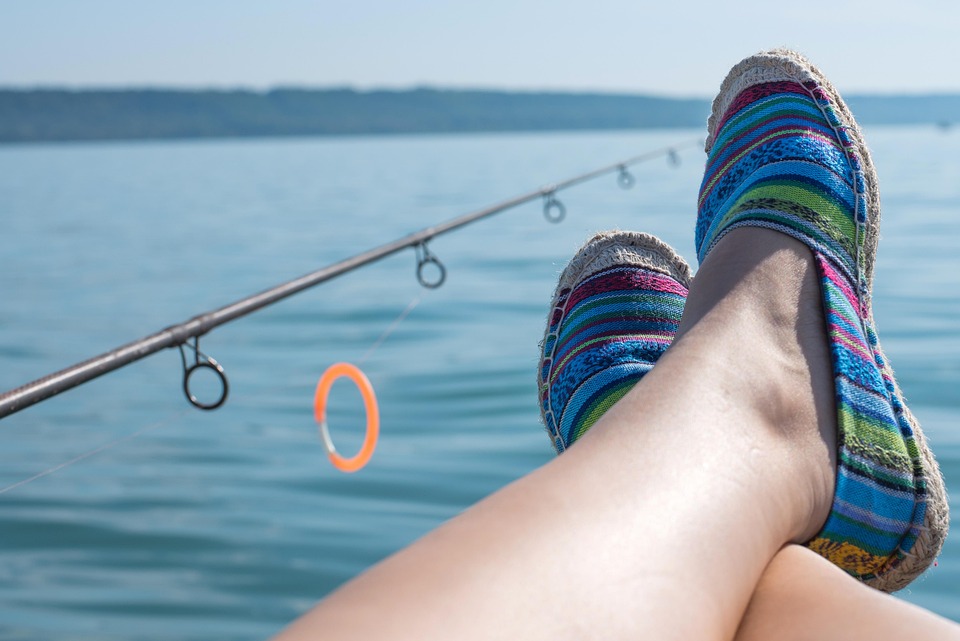


Predator fishing is an exhilarating pursuit that combines strategic thinking with the thrill of the catch. While novice anglers often rely on basic techniques, seasoned fishermen understand that there is a world of advanced methods waiting to be explored. This article delves into those techniques, unlocking the secrets behind effective predator fishing, and providing you with essential insights to elevate your fishing game.
Understanding Predator Behavior
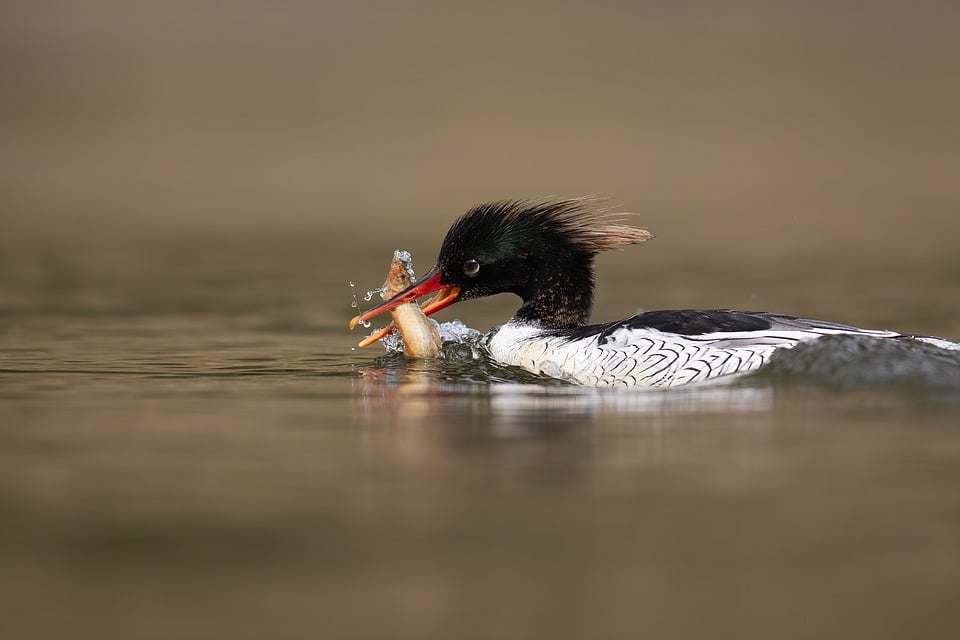
Before diving into techniques, it’s essential to understand the behavior of predator fish. Species such as bass, pike, and muskie are known for their predatory instincts. They are opportunistic feeders, meaning they will strike at prey when the conditions are right. Factors influencing their behavior include:
- Water Temperature: Predators are more active in warmer waters (typically between 68°F and 80°F).
- Time of Day: Early morning and late evening are prime times for predatory activity.
- Weather Conditions: Overcast days often lead to increased fish activity as they feel safer to roam.
- Seasonal Changes: During spawning seasons, predator behavior alters significantly.
Advanced Techniques for Predator Fishing
1. The Art of Lure Selection
Lure selection is one of the most crucial aspects of predator fishing. Experienced anglers know that not all lures are created equal. The choice depends on various factors, including water clarity, depth, and the specific species being targeted. Here are some advanced tips:
- Match the Hatch: Observe the natural prey in the environment and use lures that resemble them in size, color, and movement.
- Vary Your Retrieval Techniques: Experiment with different retrieval speeds and styles, like stop-and-go or jerking motions.
- Use Topwater Lures: These are particularly effective during low-light conditions and can provoke exciting strikes.
2. Understanding and Utilizing Structure
Predator fish often seek shelter in structures such as submerged logs, rocks, and vegetation. Familiarizing yourself with the underwater landscape can be a game-changer. Here’s how to make the most of it:
- Mapping the Area: Utilize electronics like fish finders to highlight structures beneath the surface.
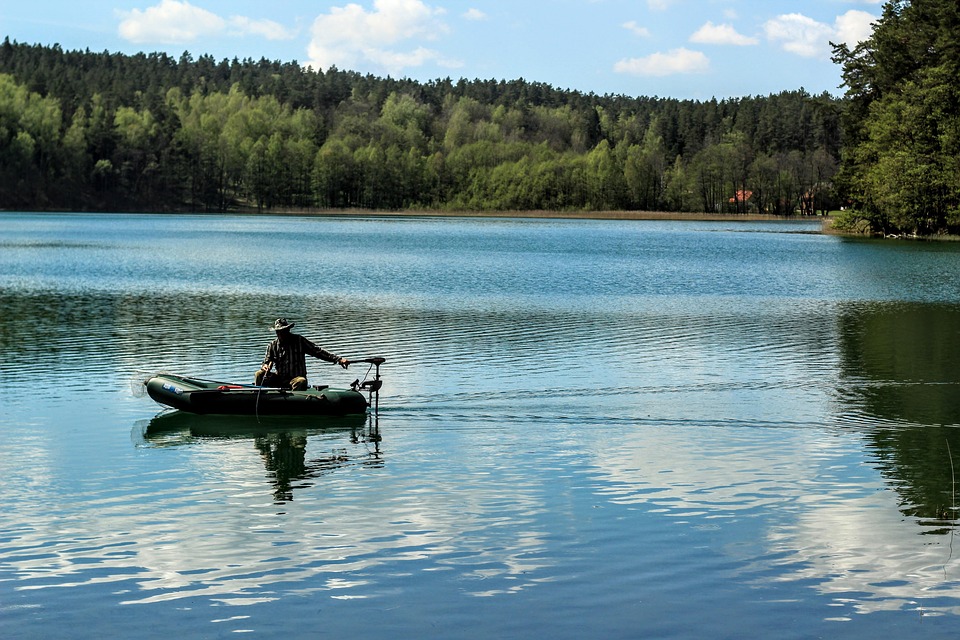
- Positioning Your Boat: Cast near structures but avoid snagging your line; aim for angles that allow you to fish deeper zones.
- Focus on Edges and Drop-offs: These areas often host ambushing predators ready to strike.
3. Temperature Layering Techniques
Water temperature captivates the fish’s movements and feeding habits. Advanced anglers often take advantage of thermoclines, layers in the water column where temperature changes. Here are some strategies:
- Utilize a Depth Finder: Identify the thermocline, often at 10-20 feet in summer, where predator fish congregate.
- Adjust Your Bait Depth: Fish at various depths until you find where predators are most active.
- Time of Day Fishing: Fish deeper in the heat of the day and shallower during low-light conditions.
4. The Power of Scent and Taste
Many predators rely on smell to find prey, so incorporating scent can make a significant difference. Here’s how to use scent effectively:
- Infuse Your Lures: Use scent gels or sprays on soft plastics to attract more strikes.
- Use Natural Bait: Combining a lure with live bait can trigger instinctual feeding responses.
5. Stealth and Presentation
Stealth is often underestimated in fishing. Advanced techniques emphasize making your presence as unobtrusive as possible. Consider these tips:
- Quiet Movements: Avoid splashing and make your movements fluid and slow to avoid spooking fish.
- Choosing the Right Gear: Use lighter tackle and quieter reels for stealthier presentations.
- Carefully Managing Shadows: Be conscious of your shadow on the water; avoid casting a shadow over your fishing area.
Conclusion
Advanced predator fishing techniques can be the key to a successful outing on the water. Understanding fish behavior, selecting the right lures, and mastering various environmental factors are crucial steps in elevating your fishing experience. The pursuit of predator fish is not just about the catch; it’s about the knowledge and skill that enhance each moment spent outdoors. As you implement these advanced strategies, remember that practice and adaptability are equally important. With time, you will discover the nuances of predator fishing and unlock its full potential.
Frequently Asked Questions (FAQs)
1. What type of fishing rod is best for predator fishing?
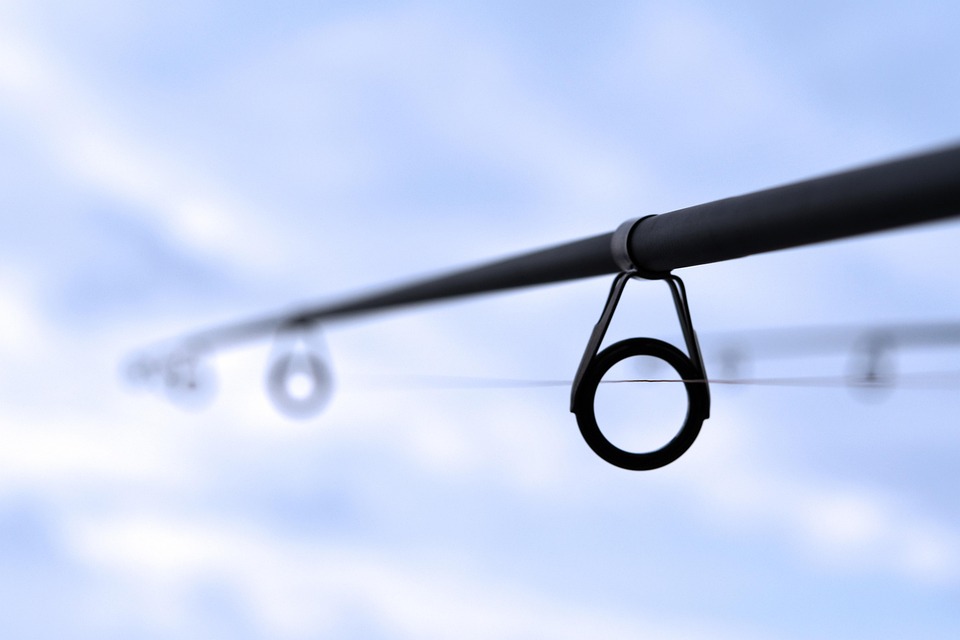
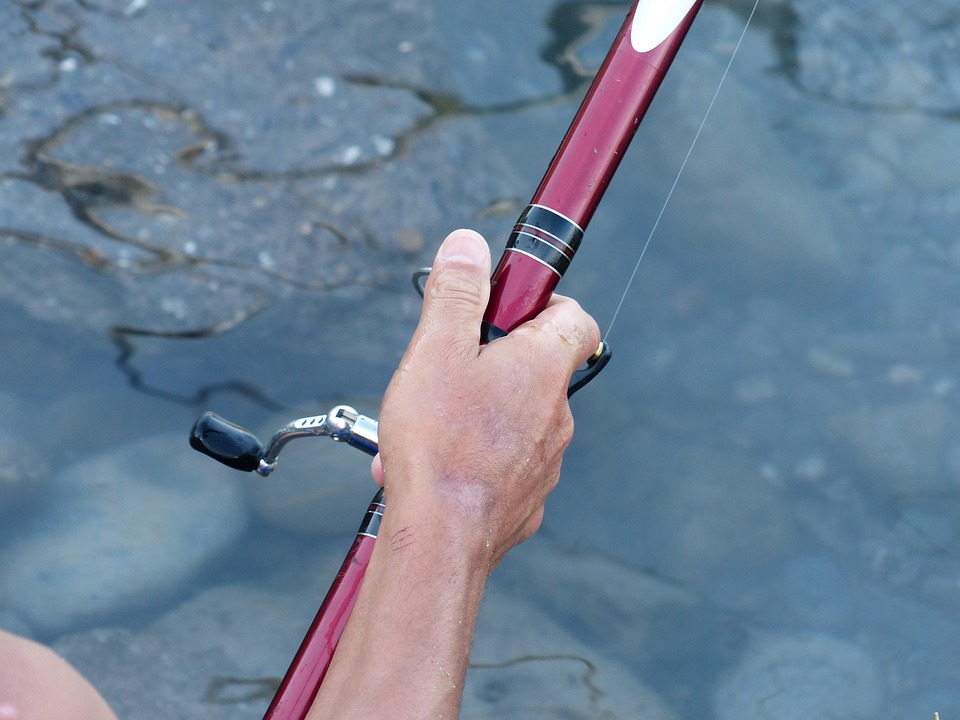
A medium to heavy-action rod is often preferred, as it provides the strength necessary to handle larger species while still being sensitive enough to detect bites.
2. What are the best times to fish for predators?
Early morning and late evening, as well as overcast days, are typically the most productive times to target predatory fish.
3. How can I improve my casting techniques?
Practice is key. Focus on your grip, stance, and follow-through. Watching instructional videos can also provide useful tips on improving casting accuracy.
4. What’s the best way to store lures with scent?
Store them in sealed containers, separate from other lures to prevent unwanted odors from mixing. Always clean your hands after handling scented lures.
5. Are there specific lures recommended for certain predator species?
Yes, for example, large swimbaits work well for bass, whereas spoons and jerkbaits are effective for pike. Always consider the local baitfish species when selecting lures.
- advanced predator fishing
- aggressive fish fishing
- barracuda fishing
- barracuda lure fishing
- freshwater predator fishing
- large predator fishing
- muskie fishing
- muskie lure fishing
- pike fishing
- pike lure fishing
- predator angling
- predator fishing
- predator fishing baits
- predator fishing destinations
- predator fishing for beginners
- predator fishing gear
- predator fishing guides
- predator fishing lures
- predator fishing reels
- predator fishing rigs
- predator fishing rods
- predator fishing seasons
- predator fishing spots
- predator fishing tactics
- predator fishing techniques
- predator fishing tips
- predatory fish fishing
- saltwater predator fishing
- zander fishing
- zander jigging








Leave a comment