










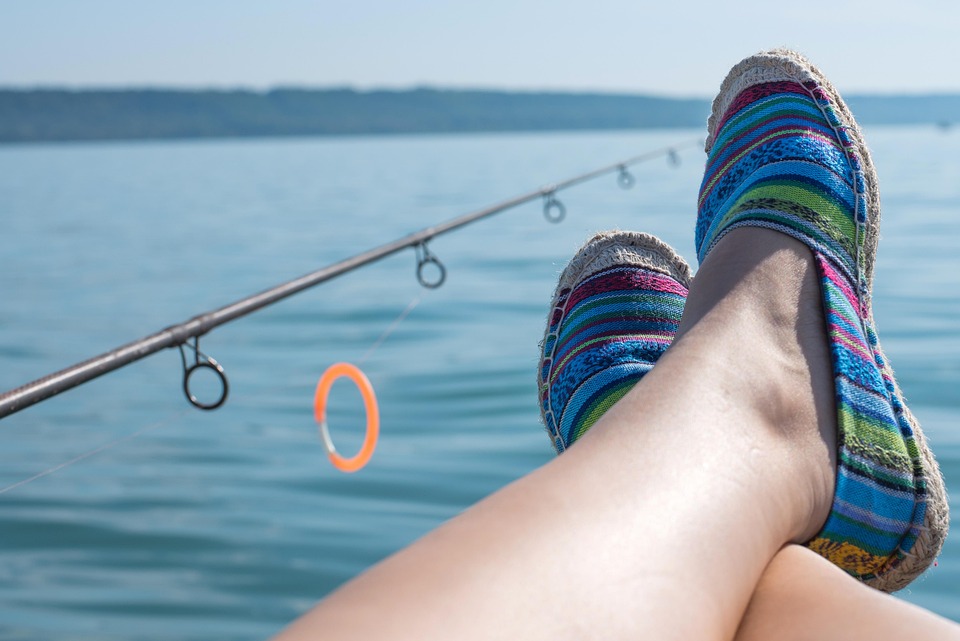


Whether you’re a seasoned pro or a beginner just dipping your toes into the world of fishing, mastering the art of casting is crucial to your success on the water. Casting is not just about throwing your line; it’s a skill that encompasses technique, precision, and understanding of your fishing environment. This comprehensive guide aims to equip every angler with essential tips, tricks, and techniques to maximize their casting abilities and ultimately enhance their fishing experience.
Understanding the Basics of Casting
Casting involves a combination of several factors including your rod, reel, bait, and your technique. Here’s the breakdown:
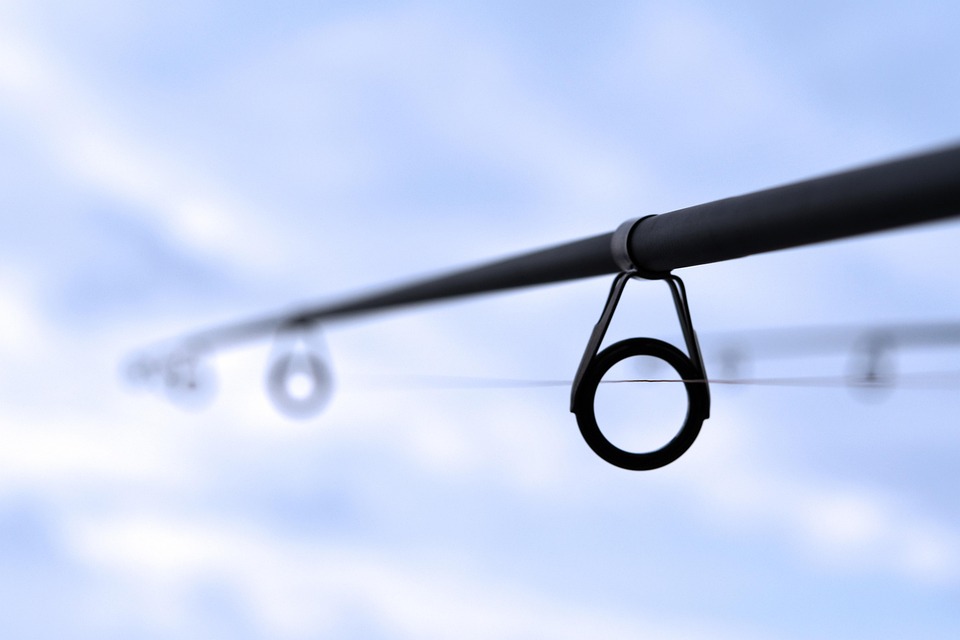
- Rod & Reel: Choose the right rod length and action for the type of fishing you’re doing. Lighter rods for panfish or longer poles for casting long distances, for instance.
- Bait: Understand which bait or lures attract the fish you aim to catch. Different species respond to different types of baits.
- Environment: Familiarize yourself with your fishing location – currents, structures, and weather patterns can all affect where fish are located.
The Key Techniques in Casting
Having a solid grasp of the following casting styles will elevate your fishing game immensely:
1. Overhead Cast
The most common casting technique, the overhead cast is performed by bringing the rod back over your shoulder and then swinging it forward to release the line. This technique allows for accuracy and distance.
2. Sidearm Cast
This technique is useful in tight spaces where there’s little room for an overhead cast. By casting to the side, you’ll have the capability to place bait accurately without snagging branches or obstacles.
3. Roll Cast
The roll cast is especially effective for fly fishing. It involves a gentle flick of the wrist while maintaining tension on the line to smoothly deliver the line onto the water. This technique prevents spooking fish in shallow waters.
4. Underhand Cast
Used primarily for short-distance casts, the underhand cast allows for increased precision when fishing close to the shore or in delicate situations. This technique minimizes disturbance on the water surface, which is particularly important in clear water where fish are easily spooked.
Practice Makes Perfect
Mastering casting is largely about practice. Here are some strategies to help you refine your casting skills:
- Warm-Up Woes: Always warm up your arms and shoulders before hitting the water. Light stretches and practice casts without bait will help prevent injury and improve your technique.
- Target Practice: Set up targets in your backyard or at a park to mimic casting conditions. Use hula hoops, buckets, or cones and aim to hit targets from varying distances.
- Video Analysis: Consider recording your casting practice to analyze your technique. This self-assessment can reveal areas for improvement that might not be apparent while casting.
Adjusting to Different Fishing Conditions
The best anglers are adaptable, understanding that conditions change and presenting new challenges. Here are some pointers:
1. Windy Conditions
When casting in windy weather, lower your casting angle, and use heavier lures to maintain control. Practice backcasting, allowing you to use the wind to your advantage.
2. Current and Tides
Understanding the water’s current is crucial. Make adjustments to your casting distance and angle based on how the current will affect your bait’s drift. Fish tend to hold in particular locations depending on current patterns.
3. Time of Day
Different times of day influence fish behavior. Early mornings and late afternoons are popular fishing times, and adjusting your casting techniques to take advantage of low-light conditions can result in more bites.
Using Technology and Tools
Advancements in technology give modern anglers an edge. Tools to aid in casting include:
- Casting Weights: For beginners, weights can help understand physics and feel in casting. They mimic the bait’s weight to perfect your technique.
- Fishing Apps: Use fishing apps to track weather, tides, and even location history of catches. Data collected can lead to more informed casting decisions.
- Online Tutorials: Social media platforms and video-sharing websites are packed with tutorials. Following experts can offer inspirational techniques that encourage varied casting styles.
Choosing the Right Gear
Your casting skills can only be as effective as the gear you use. Here’s how to choose:
1. Rod Length and Action
Different situations require different rod lengths and actions. Longer rods can cast overhead but can be cumbersome in tight quarters. Match rod specifications with your chosen bait and fishing location.
2. Reel Selection
Choose between spinning reels and baitcasting reels based on your skill level and personal preference. Baitcasters offer precision but require a learning curve, while spinning reels provide ease of use for beginners.
3. Line Type and Strength
Fluorocarbon, monofilament, and braid all have unique properties affecting casting. Understand your reel’s capabilities and select line accordingly to prevent excess backlash or snap-offs.
Conclusion
Casting is an art form that requires practice, patience, and understanding. By mastering different techniques, adjusting to conditions, and using the right gear, anglers can greatly improve their overall success on the water. Remember that fishing is as much about enjoying nature and honing your craft as it is about catching fish. As you refine your casting skills, each trip will become a rewarding experience, regardless of the size of your catch.
FAQs
How can I improve my casting distance?
To improve distance, focus on your technique—use your whole body, not just your arm. Practice the proper whip motion and increase your muscle memory.
Is it normal to have backlashes when learning to cast?
Yes, backlashes are very common as you learn to cast, especially with baitcasting reels. Practice regularly, and consider using lighter lines and weights to reduce the risk.
What should I do if my line tangles during a cast?
Stop the cast immediately if you feel a tangle. Reel in slowly to release tension, then gently untangle the line. Prevention comes through understanding your reel and the line’s tension.
Can I cast in rain or poor weather?
Yes, but be cautious. Fish can behave differently in inclement weather. Adjust your techniques accordingly, and ensure you have appropriate gear to stay dry and safe.
How often should I practice casting?
Regular practice will yield the best results. Aim for at least once a week, focusing on different techniques. Even short, focused sessions can lead to significant improvements over time.
- advanced fishing techniques
- artificial bait fishing
- bait fishing
- boat fishing methods
- casting fishing
- deep sea fishing techniques
- drift fishing
- fishing knots techniques
- fishing methods
- fishing methods for beginners
- fishing rigs methods
- fishing strategy tips
- fishing techniques
- fly fishing techniques
- freshwater fishing techniques
- inshore trolling
- jigging fishing
- live bait fishing
- lure fishing methods
- modern fishing techniques
- offshore trolling
- popping fishing
- professional fishing methods
- saltwater fishing techniques
- shore fishing methods
- slow jigging
- spinning fishing
- topwater popping
- trolling fishing
- vertical jigging
















Leave a comment