









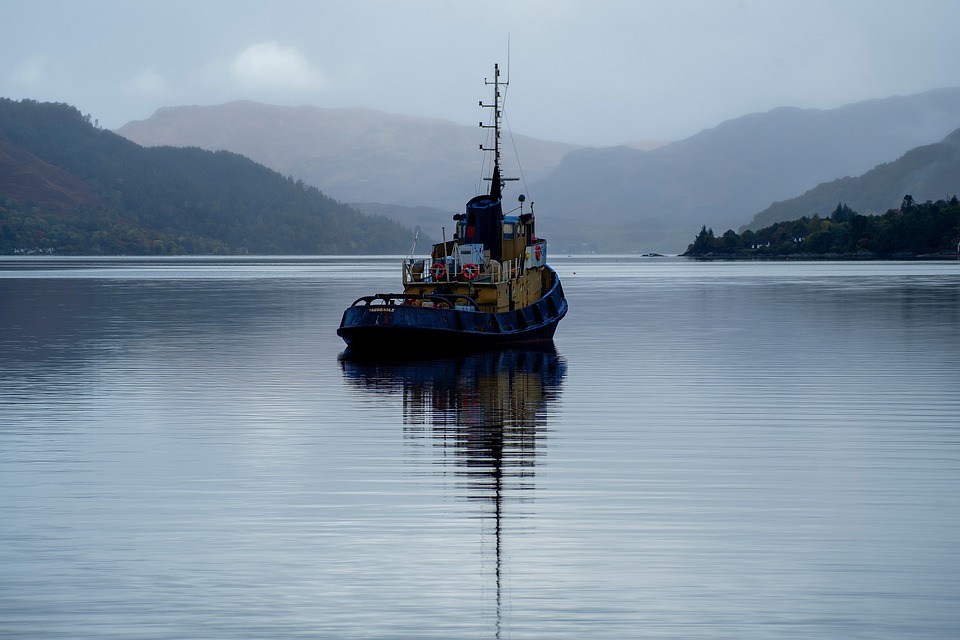








Deep-sea trolling is not merely an adventure; it’s a ritual steeped in passion and precision. With every cast of a line, anglers enter a world where nature’s unpredictability meets the thrill of the chase. From the serene waters of the Pacific to the turbulent Atlantic, mastering the art of deep-sea trolling takes dedication, knowledge, and a bit of luck.
The Basics of Trolling
Trolling involves dragging baited lines through the water behind a moving boat, luring fish into biting. This method, effective for many species such as marlin, tuna, and mahi-mahi, allows anglers to cover vast stretches of ocean water. Not only does trolling enable the targeting of multiple fish types, but it also offers a dynamic fishing experience, as you can often enjoy the beauty of the ocean while waiting for a bite.
Essential Gear and Tackle
To embark on a successful trolling expedition, selecting the right gear is paramount. Here’s a rundown of essential items:
1. Rods and Reels
Your choice in rods and reels significantly affects the outcome of a fishing trip. Look for rods that are between 5.5 to 7 feet long for optimum flexibility. Pair these with high-quality saltwater reels capable of withstanding the harsh marine environment. Opt for spinning or conventional reels based on personal preference and the fish species targeted.
2. Fishing Line
Line selection is crucial, as it needs to withstand the significant weight and strength of larger ocean fish. Monofilament and braided lines are two popular choices, each having its own advantages. Monofilament is buoyant and easier to handle, while braided line offers increased sensitivity and reduced diameters for deeper trolling.
3. Lures and Baits
Your bait choices can range from natural options like squid and mackerel to artificial lures. Popular trolling lures include diving plugs and surface lures. The key to successful trolling is to ensure your bait mimics the natural movement and appearance of prey — a well-presented lure can be irresistible to fish.
Understanding Fish Behavior
To be successful at trolling, it’s vital to understand the behavior patterns of your target species. Fish are influenced by various factors such as water temperature, time of year, and food availability. For instance, many pelagic fish like tuna and marlin tend to be more active early in the morning or late in the evening. Likewise, certain species are more prevalent during specific seasons, highlighting the importance of researching local fishing reports and conditions.
Choosing The Right Location
Location is everything when trolling. Certain areas are well-known for abundant fish populations, while others may yield less success. Here are some considerations:
1. Identifying Hotspots
Fisheries and marine environments provide anglers with knowledge about hotspots. Look for underwater structures like reefs, ledges, and drop-offs where fish congregate. These areas offer the promise of productive fishing.
2. Weather and Tides
Weather patterns and tide cycles can greatly impact fish activity. Overcast skies can encourage fish to surface, while sunny days may push them deeper. Understanding tidal movements can help determine the best times to troll.
Techniques to Master
While the basics set the stage, techniques elevate your trolling game.
1. Speed Control
Varying your boat’s speed can mimic the predatory behavior of fish and entice strikes. Different species prefer different speeds — experiment with these to discover the sweet spot that works for your targeted species.
2. Spread Your Lines
A common approach among experienced anglers is to deploy multiple lines at various depths (known as “striking range”). This technique maximizes your chances of hooking fish by presenting them with multiple enticing options. Using outriggers can help spread lines effectively and reduce tangles.
3. Monitory Your Equipment
Regularly check the condition of your lures and lines. Make sure that hooks are sharp and in good condition, and replace any worn tackle. Remember, quality gear can make the difference between a successful catch and an empty cooler.
Environmental Considerations
As anglers, it’s our duty to ensure the sustainability of the ocean and its resources. This means practicing responsible fishing to protect marine life. Here are a few tips to consider:
1. Follow Regulations
Adhering to local fishing regulations is crucial for maintaining fish populations. Be aware of size and bag limits, as well as protected areas.
2. Catch and Release
Practicing catch and release can help sustain fish numbers and promote healthy ecosystems. Use barbless hooks and handle fish with care to increase their survival rate upon release.
3. Respect the Marine Environment
Be mindful of marine habitats, avoiding sensitive ecosystems while fishing, and removing any trash or debris encountered during your trip. A healthy ocean benefits both fish and anglers.
Mastering the art of deep-sea trolling is a journey embracing skill, nature, and respect. As you harness techniques and understand the science of fishing, every fishing trip can transform into a thrilling chase, promising both adventure and reward.
Frequently Asked Questions (FAQs)
What is the best time of year to go deep-sea trolling?
The best time often depends on the region and the species you’re targeting. Generally, spring and summer months provide the most favorable conditions for deep-sea fishing.
How deep should I troll for fish?
The depth can vary significantly based on species. Researching specific fish habits and using downriggers or weights can help you reach the necessary depth for your target species.
What are the most common fish species caught while trolling?
Popular species include tuna, marlin, mahi-mahi, sailfish, and wahoo. Your targeting will depend largely on geographical location and water conditions.
Is trolling suitable for beginners?
Absolutely! Trolling is considered a beginner-friendly method as it allows for a passive fishing approach, but mastering the techniques will improve your success rates.
What should I bring on a trolling trip?
Pack essential gear including fishing rods, reels, bait, tackle, safety equipment (like life jackets), and plenty of food and water for a long day at sea.
- advanced fishing techniques
- artificial bait fishing
- bait fishing
- boat fishing methods
- casting fishing
- deep sea fishing techniques
- drift fishing
- fishing knots techniques
- fishing methods
- fishing methods for beginners
- fishing rigs methods
- fishing strategy tips
- fishing techniques
- fly fishing techniques
- freshwater fishing techniques
- inshore trolling
- jigging fishing
- live bait fishing
- lure fishing methods
- modern fishing techniques
- offshore trolling
- popping fishing
- professional fishing methods
- saltwater fishing techniques
- shore fishing methods
- slow jigging
- spinning fishing
- topwater popping
- trolling fishing
- vertical jigging











Leave a comment