







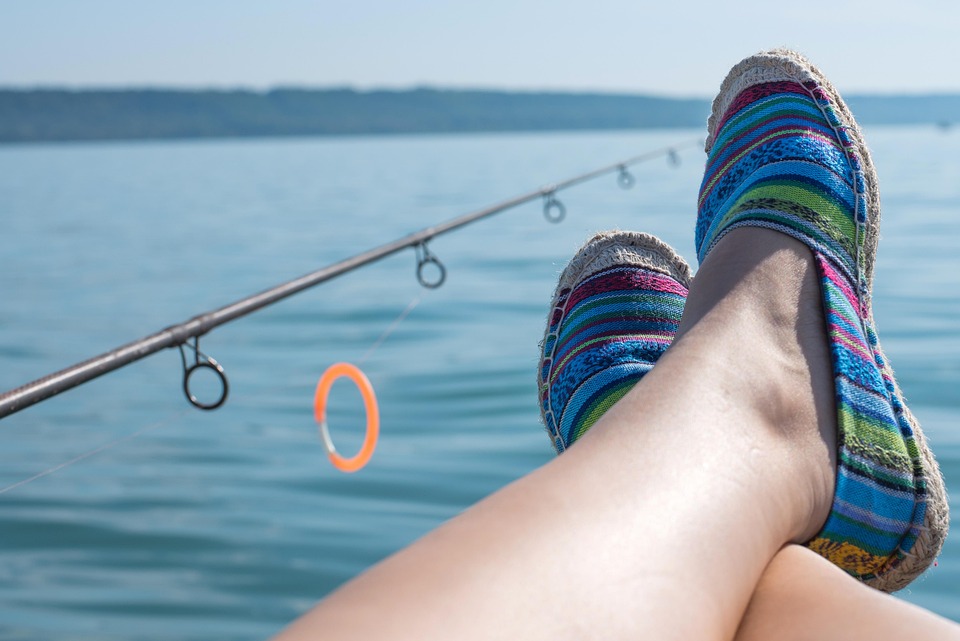


Grouper fishing has become a popular activity for anglers seeking both adventure and culinary delight. Known for their robust flavor and firm texture, grouper species like black grouper and red grouper are hot targets across various fishing waters, from the Gulf of Mexico to the Caribbean. This guide explores essential tips and tricks to enhance your grouper fishing success and enjoy an unforgettable experience on the water.
Understanding Grouper Species
Before diving into fishing techniques, it’s essential to understand the different grouper species, as this knowledge can significantly impact your strategy:
- Black Grouper: Recognized for their dark color and can weigh over 100 pounds. They prefer rocky bottoms and artificial reefs.
- Red Grouper: Characterized by their reddish hue, they are prevalent in warmer waters. They typically reside on the ocean floor.
- Gag Grouper: Found in the Atlantic, these fish are aggressive and inhabit rocky areas and structures.
- Scamp Grouper: Smaller in size, they have a softer flesh but are highly sought after for their taste.
Best Time to Fish for Grouper
Timing can significantly impact your success when grouper fishing. Here are some factors to consider:
- Season: The best months for grouper fishing generally range from late spring to early fall.
- Time of Day: Early mornings and late afternoons are usually the most productive, as grouper often feed during these times.
- Weather Conditions: Ideally, look for stable weather. Overcast days can produce excellent results, as fish often become more active.
Essential Gear and Equipment
The right gear can make a significant difference in your grouper fishing experience. Here’s a list of essentials to pack:
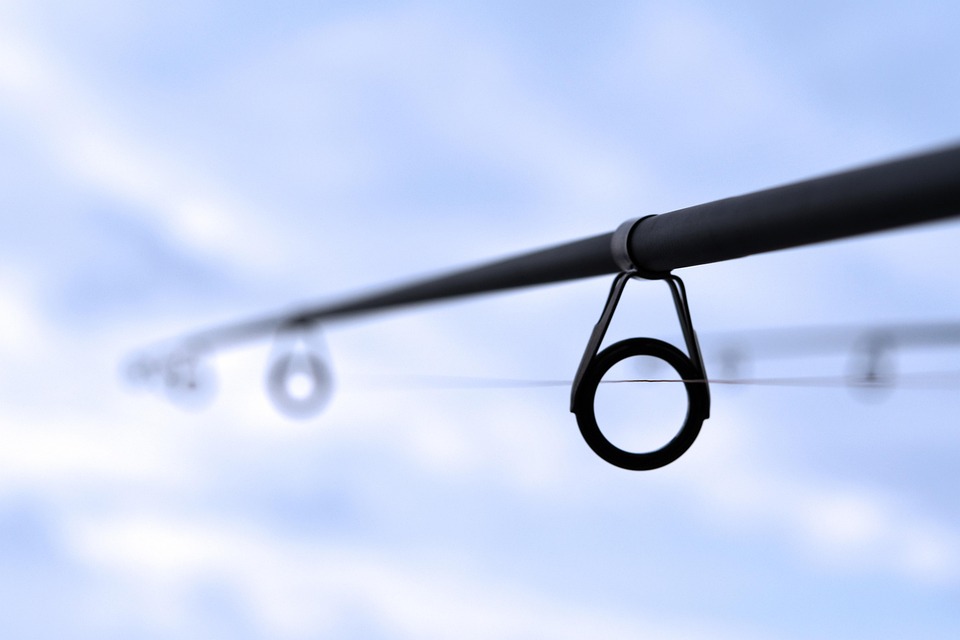
- Rod and Reel: A sturdy rod with a medium to heavy action is essential. Pair it with a reel that can handle at least 50-80 pound test line.
- Line: Braided line is preferred for its strength and sensitivity, while a heavy monofilament leader can help prevent break-offs.
- Hooks: Circle hooks are recommended for grouper fishing, as they help reduce gut-hooking.
- Weight: Use a weight appropriate for the depth and current of your fishing location, typically ranging from 2 to 8 ounces.
- Bait: Live bait such as pinfish, squid, or herring works well, along with cut bait for larger grouper.
Best Locations for Grouper Fishing
Locating grouper involves knowing where they tend to congregate. Key areas include:
- Reefs: Artificial reefs, rock ledges, and wrecks are prime grouper habitats.
- Drop-offs: Look for steep drop-offs on the continental shelf, where rocky terrains create an ideal environment.
- Structure: Grouper love to hide in crevices and around submerged structures, so exploring these areas can yield fantastic results.
Techniques for Catching Grouper
Having the right technique is crucial. Here are popular methods for successful grouper fishing:
- Bottom Fishing: Drop your baited hook straight down to the ocean floor and wait for the grouper to bite.
- Drift Fishing: Allow your boat to drift over potential grouper hotspots while fishing; this technique can cover more ground.
- Chunking: Use bait chunks to attract grouper, creating a feeding frenzy that can lead to multiple catches.
- Trolling: This method works well for larger grouper species that are more aggressive.
Tips for a Successful Catch
Consider these additional tips to boost your odds of landing that prized grouper:
- Patience: Grouper fishing can sometimes require long waits, so be patient and stay alert for any sign of a bite.
- Set the Hook Properly: When you feel a tug, allow the fish a moment before setting the hook—this is critical when using circle hooks.
- Keep Fishing Area Clean: To avoid spooking grouper, keep your fishing area clean and well organized.
- Observe Local Regulations: Always abide by local fishing regulations concerning size and bag limits to protect fish populations.
Preparing Your Catch
Once you’ve successfully caught your grouper, preparation is key to enjoying its delicious flavor:
- Cleaning: Rinse your catch in saltwater and remove the innards in a timely manner.
- Cooking: Grouper can be grilled, baked, fried, or used in a variety of seafood dishes. Its firm texture holds up well to many preparations.
- Storage: If not consumed immediately, ensure your catch is stored properly. Grouper can be refrigerable for up to two days or frozen for longer storage.
FAQs about Grouper Fishing
What is the best bait for grouper fishing?
Live bait such as pinfish or squid is typically the most effective, along with cut bait like mackerel or herring.
How deep do you need to fish for grouper?
Grouper can be found at various depths but are often located anywhere from 30 to 300 feet deep, depending on the species.
Are there specific regulations for grouper fishing?
Yes, regulations vary by location, including size and bag limits. Always check local guidelines before heading out.
What is the best time of year to catch grouper?
Late spring to early fall generally provides the best conditions for grouper fishing across many locations.
Do I need a fishing license to catch grouper?
Yes, a fishing license is typically required for recreational fishing. Ensure you have the appropriate license based on your region.
- barracuda fishing
- beach fishing
- big game fishing
- bluewater fishing
- boat fishing
- coastal fishing
- deep ocean fishing
- deep sea fishing
- drift fishing
- grouper fishing
- jigging fishing
- kingfish fishing
- mahi mahi fishing
- marlin fishing
- ocean fishing
- offshore fishing
- pier fishing
- reef fishing
- sailfish fishing
- saltwater angling
- saltwater fishing
- saltwater fishing guides
- shark fishing
- shore fishing
- snapper fishing
- sport fishing
- surf fishing
- trolling fishing
- tuna fishing










Leave a comment