











When it comes to bass fishing, few techniques evoke the same thrill as topwater popping. The very act of casting a lure that sits on the water’s surface, waiting for a strike, infuses adrenaline into every angler’s heart. There’s something uniquely exhilarating about the anticipation as a bass bursts from the depths to engulf your bait, and in this article, we will delve deep into the art of topwater popping.
The Allure of Topwater Fishing
Topwater fishing is a visual and engaging experience. Anglers crave the excitement of watching a bass erupt into the air, and the sound of a splash often signifies an impending catch. Unlike bottom fishing or jigging where the action occurs below the surface, topwater fishing allows anglers to witness exciting strikes up close, providing a sensory experience that is hard to replicate.
Bass are naturally predatory, and they frequently feed on surface-dwelling prey such as frogs, insects, and small baitfish. This behavior makes topwater lures an effective tool for mimicking these meals. Understanding the psychology of largemouth and smallmouth bass is crucial to mastering this technique.
Choosing the Right Lures
The market is saturated with several types of topwater lures, and knowing what to choose is fundamental. Here are some of the most popular options:
- Poppers: These lures create noise and water disturbance through their cupped mouth. They are versatile and can be fished in various conditions.
- Walking Baits: Designed to mimic the side-to-side movement of a fish, these lures are particularly effective for largemouth bass.
- Frog Lures: Perfect for fishing in dense cover, frog lures imitate the sounds of prey in thick vegetation.
- Buzz Baits: These create vibration and surface disturbance making them excellent for low-light conditions.
Understanding Conditions
Successful topwater fishing hinges significantly on environmental conditions. Time of day, weather, and seasonality all play integral roles:
- Time of Day: Early mornings and late evenings are known as prime times for bass activity. During these hours, the fish are often more eager to strike at topwater lures.
- Weather Conditions: Overcast days can be excellent for topwater fishing, as bass feel more secure in low light. Conversely, bright sunny days might require stealthy approaches.
- Season: During warmer months, bass are more likely to be near the surface, which is advantageous for topwater techniques.
Techniques for Success
To truly master topwater popping, anglers must refine their technique. Here are some key practices:
1. The Popping Motion
The technique begins with a consistent popping motion. After the cast, allow the lure to settle briefly and then use short, deliberate jerks of the rod to create enticing splashes. The rhythm involves short pauses and pops, mimicking a struggling prey.
2. Keep a Tight Line
Having a tight line allows for immediate sensitivity. This responsiveness is crucial when a bass strikes; being prepared can mean the difference between landing a fish or watching it spit out the lure.
3. Setting the Hook
Timing is critical when setting the hook. Wait until you feel the weight of the fish before applying pressure upwards to prevent the bass from spitting out the lure. A common mistake is striking too early, which can lead to missed opportunities.
Choosing the Right Gear
Your equipment significantly affects your success with topwater popping. Here are some recommendations:
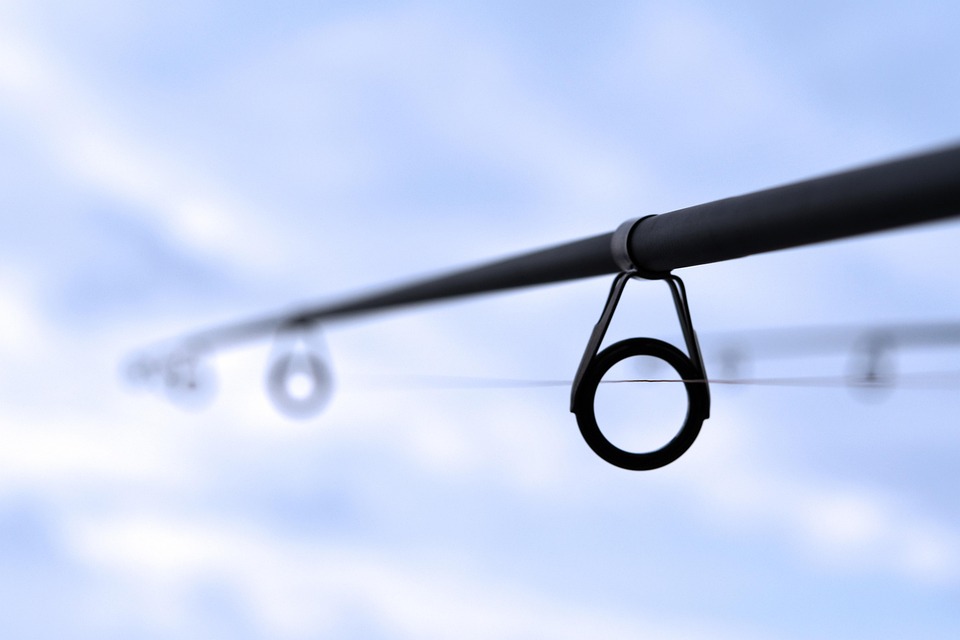
- Rod: A medium to medium-heavy rod provides excellent sensitivity and backbone for setting hooks.
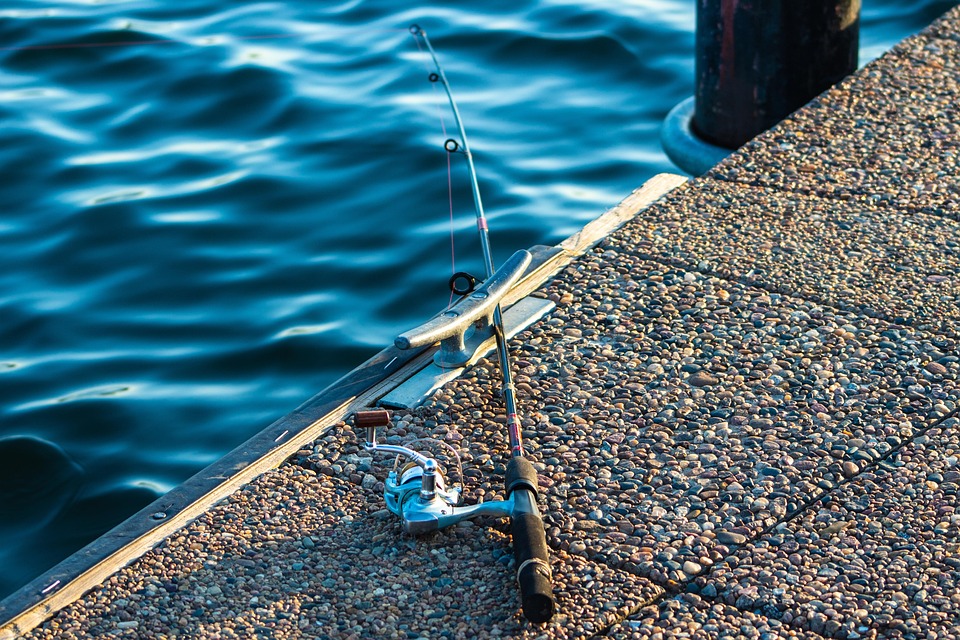
- Reel: A baitcasting reel offers better precision and control, although spinning reels can be effective for lighter lures.
- Line: Braided line is preferred due to its sensitivity and strength. A fluorocarbon leader can also help with clear water conditions.
Where to Fish
Selecting the right fishing location is as important as the technique. Focus on:
- Shallow Cover: Look for weed beds, lily pads, and fallen trees. Areas with submerged structures are ideal hotspots.
- Points and Edges: Fishing near ledges and drop-offs can yield great results as bass often ambush prey in these zones.
- Current Lines: In rivers and streams, bass often hold near current breaks to conserve energy.
The Benefits of Topwater Fishing
Aside from the thrill of the catch, topwater fishing offers several benefits:
- Increased Engagement: Anglers often find topwater fishing to be more engaging and dynamic than other methods.
- Versatility: Topwater popping can be adapted to a variety of environments and situations.
- Fun for All Skill Levels: Whether you’re a beginner or an expert, topwater fishing provides an approachable yet challenging experience.
Conclusion
Mastering the art of topwater popping for bass is not just about technique; it’s about understanding the fish, their habits, and the environment they inhabit. It’s about honing skills and practicing patience and persistence. The thrill that comes with seeing a bass launch out of the water to snatch your lure is unparalleled, and it captures the essence of why many of us find joy in fishing. Whether you’re casting from a boat, a kayak, or the shoreline, topwater fishing can offer some of the most exhilarating moments in the world of angling. So, grab your gear, head to the water, and experience the topwater thrills that await you!
Frequently Asked Questions (FAQs)
What is the best time to fish with topwater lures?
Early morning and late evening are typically the best times, although overcast days can also provide excellent opportunities throughout the day.
How do I know if I’m using the right topwater lure?
It’s important to consider the local forage and environmental conditions. Experiment with different types such as poppers, walk-the-dog baits, or frogs to see what works best in your fishing area.
What are the best conditions for topwater fishing?
Calm waters with light wind and low light conditions (early morning or late evening) are optimal. Overcast days can also enhance visibility for bass.
Can I use topwater lures in rivers?
Absolutely! Topwater lures can be very effective in rivers, particularly in areas with current breaks and shady spots where bass often lurk.
What type of line should I use for topwater fishing?
Braided line is often recommended for its sensitivity and no-stretch qualities, while a fluorocarbon leader can help with invisibility in clear water.
- advanced fishing techniques
- artificial bait fishing
- bait fishing
- boat fishing methods
- casting fishing
- deep sea fishing techniques
- drift fishing
- fishing knots techniques
- fishing methods
- fishing methods for beginners
- fishing rigs methods
- fishing strategy tips
- fishing techniques
- fly fishing techniques
- freshwater fishing techniques
- inshore trolling
- jigging fishing
- live bait fishing
- lure fishing methods
- modern fishing techniques
- offshore trolling
- popping fishing
- professional fishing methods
- saltwater fishing techniques
- shore fishing methods
- slow jigging
- spinning fishing
- topwater popping
- trolling fishing
- vertical jigging









Leave a comment