









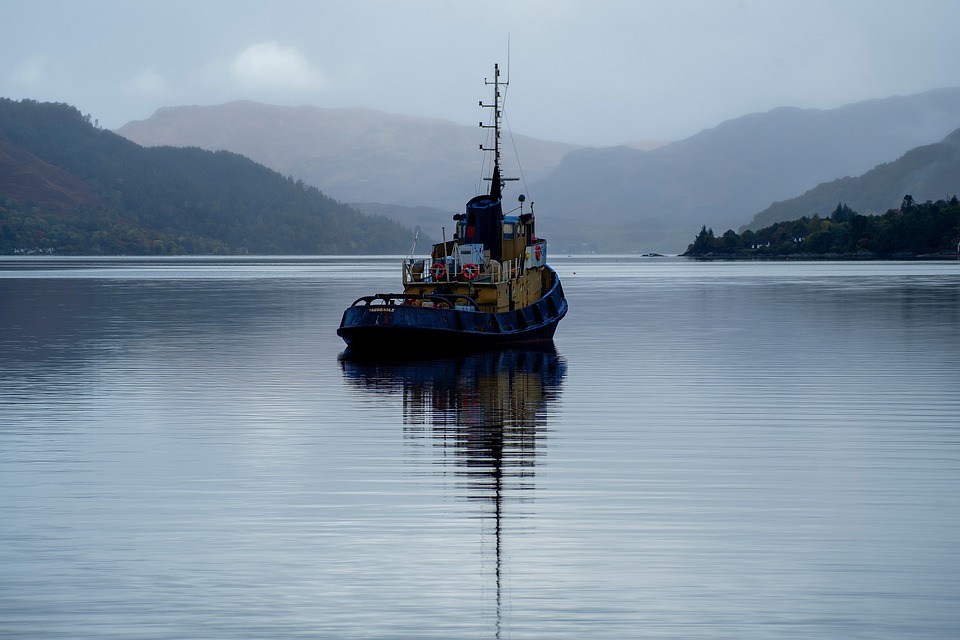








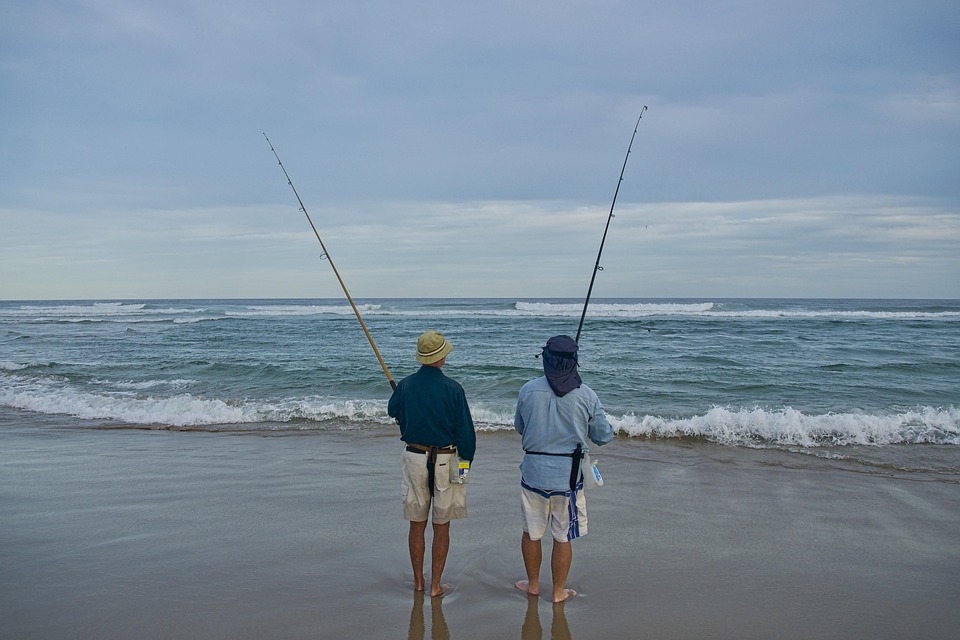
Shore fishing offers an accessible and fulfilling way to engage with the great outdoors, and it has become increasingly popular among fishing enthusiasts around the world. From sandy beaches to rocky shorelines, the diversity of coastal landscapes provides ample opportunities to reel in a variety of fish species. However, to maximize your chances of success, you need to be well-informed about the nuances of shore fishing. This ultimate guide aims to equip you with all the essential tips and strategies, ensuring that your next outing is both enjoyable and productive.
Understanding the Shoreline Ecosystem
The interplay of land and water creates a unique ecosystem that supports various fish species. Understanding this ecosystem is crucial for successful shore fishing. Here are some elements to consider:
- Structure: Features like rocks, piers, and jetties serve as habitats for fish, offering shelter and feeding grounds.
- Current and Tides: Changes in tide influence fish movement. For example, fish are often found close to shore during high tide.
- Water Temperature: Many fish species prefer specific temperature ranges, making this an important factor to monitor.
Essential Gear for Shore Fishing
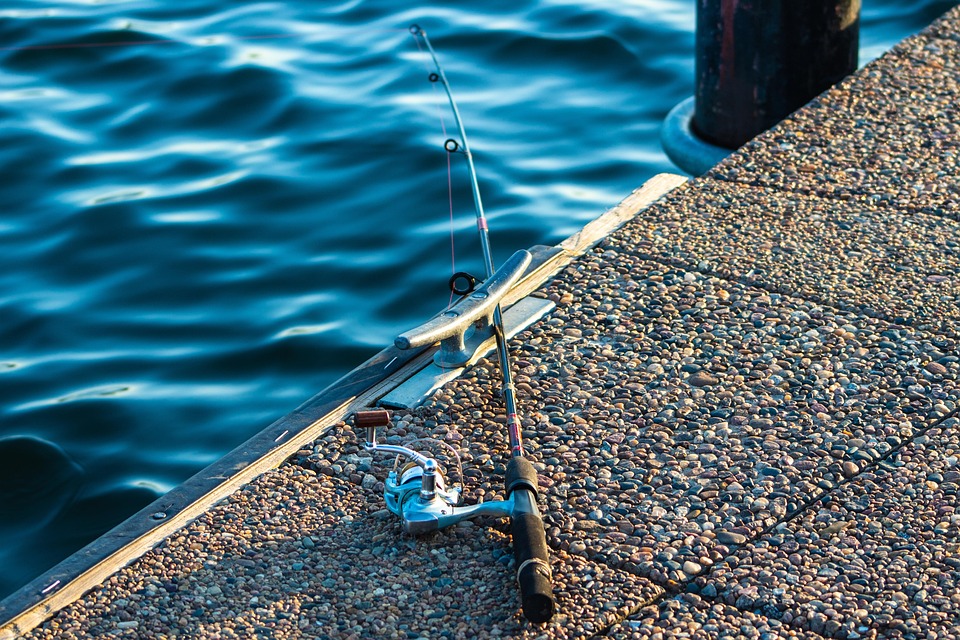
Your fishing success largely depends on the gear you choose. Here’s a breakdown of essential items:
Fishing Rod and Reel
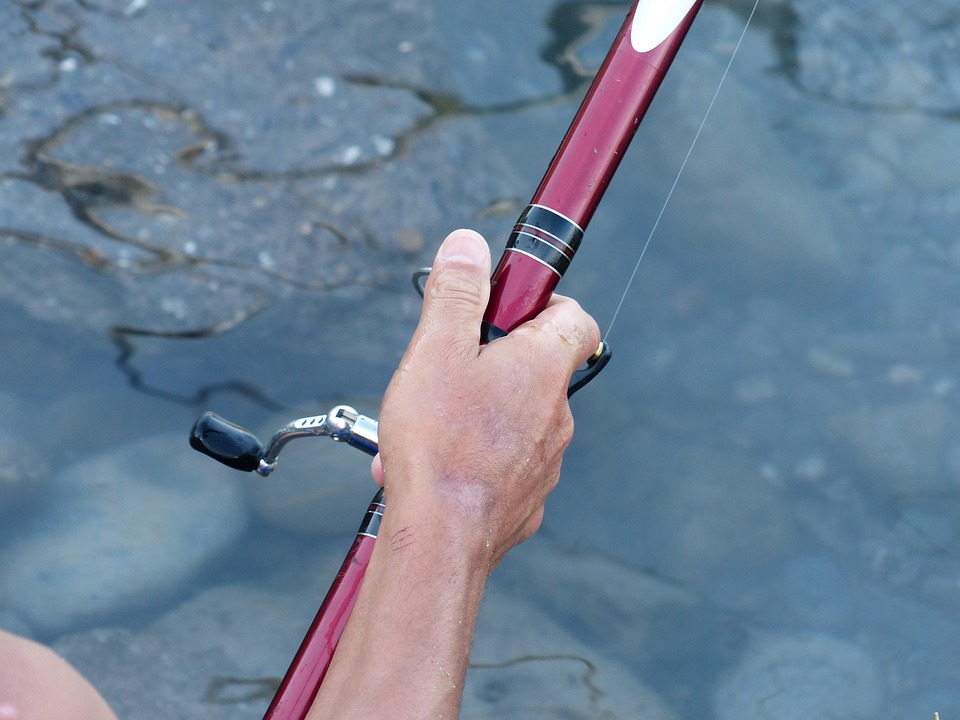
A solid rod and reel combo will enhance your fishing experience. Look for:
- Length: A longer rod (9-12 feet) is often beneficial for casting distance.
- Type: Consider a spinning reel for versatility, especially for beginners.
Fishing Line
Use a durable fishing line suited to the species you’re targeting. Monofilament is a great all-around choice, while braided line provides increased sensitivity.
Tackle and Bait
Your tackle box should include:
- Hooks: Various sizes for different fish species.
- Weights: To help your bait sink and reach deeper waters.
- Bait: Live bait (like worms or shrimp) is often more effective, but lures can also be productive.
Techniques for Effective Casting
Perfecting your casting technique can significantly improve your fishing success. Here are some tips:
Overhead Cast
This technique allows for great distance. Hold the rod at a 45-degree angle, swing it back, and then forward smoothly to release the line.
Sidearm Cast
Ideal for tight spaces, this cast involves a horizontal sweep with the rod parallel to the water. It’s especially effective around structures.
Pitching
Used for close-range casting, pitching allows for accuracy in targeting specific areas where fish are likely lurking.
Timing Your Fishing Trips
The timing of your shore fishing expedition can make or break your success. Here’s what to consider:
Best Seasons
Spring and fall often yield the best fish catches as many species migrate closer to shore during these seasons. Summer can also be productive, especially during cooler dawn and dusk hours.
Time of Day
Fish are generally more active early in the morning and late in the evening, known as the “golden hours” of fishing.
Local Regulations and Conservation
Before heading out, familiarize yourself with local fishing regulations, including:
- Licensing requirements
- Size and bag limits
- Protected species and no-fishing zones
It is also vital to practice conservation. Catch and release is a popular method that helps maintain fish populations, ensuring future generations can enjoy shore fishing.
Social Aspects of Shore Fishing
While fishing is often associated with solitude, it can also be a wonderful social activity. Inviting friends or family can enhance the experience, offering opportunities for bonding and shared moments. Additionally, participating in local fishing communities can provide valuable insights, tips, and even friendships.
Conclusion
Shore fishing is not just about capturing fish; it’s about immersing yourself in nature and enjoying the tranquility of the coastline. By understanding the ecosystem, equipping yourself with the right gear, mastering casting techniques, and respecting local regulations, you can elevate your fishing game and create lasting memories along the shore. So pack your gear, head out to the coastline, and enjoy the ultimate shore fishing experience.
FAQs
1. What type of fish can I catch from the shore?
Common species include flounder, bass, mackerel, and trout, but this varies by location and season.
2. Do I need a fishing license?
Yes, most regions require a fishing license. Always check local regulations before fishing.
3. What is the best bait for shore fishing?
Live bait such as worms, shrimp, and small fish are often effective, along with lures designed for the species you target.
4. How do tides affect fishing?
During high tide, fish are often found closer to shore. Low tide may push them further out, so it’s important to time your trips accordingly.
5. Are there any conservation practices I should follow?
Yes, practice catch and release, follow local regulations, and avoid overfishing to help maintain healthy fish populations.
- advanced fishing techniques
- artificial bait fishing
- bait fishing
- boat fishing methods
- casting fishing
- deep sea fishing techniques
- drift fishing
- fishing knots techniques
- fishing methods
- fishing methods for beginners
- fishing rigs methods
- fishing strategy tips
- fishing techniques
- fly fishing techniques
- freshwater fishing techniques
- inshore trolling
- jigging fishing
- live bait fishing
- lure fishing methods
- modern fishing techniques
- offshore trolling
- popping fishing
- professional fishing methods
- saltwater fishing techniques
- shore fishing methods
- slow jigging
- spinning fishing
- topwater popping
- trolling fishing
- vertical jigging












Leave a comment