
















Fishing is more than just a hobby; it’s a time-honored tradition that blends patience, skill, and an appreciation for nature. Whether you’re a seasoned angler or a newbie still learning the ropes, understanding the intricacies of fishing can make all the difference. In this article, we explore essential tips that can elevate your fishing expeditions from average to extraordinary. From selecting the right gear to understanding fish behavior, these insights are designed to help you ‘cast and conquer’ the waters.
The Right Gear Makes All the Difference
Your choice of fishing gear is pivotal. Here’s a breakdown of some essential equipment that can make your fishing trip more productive:
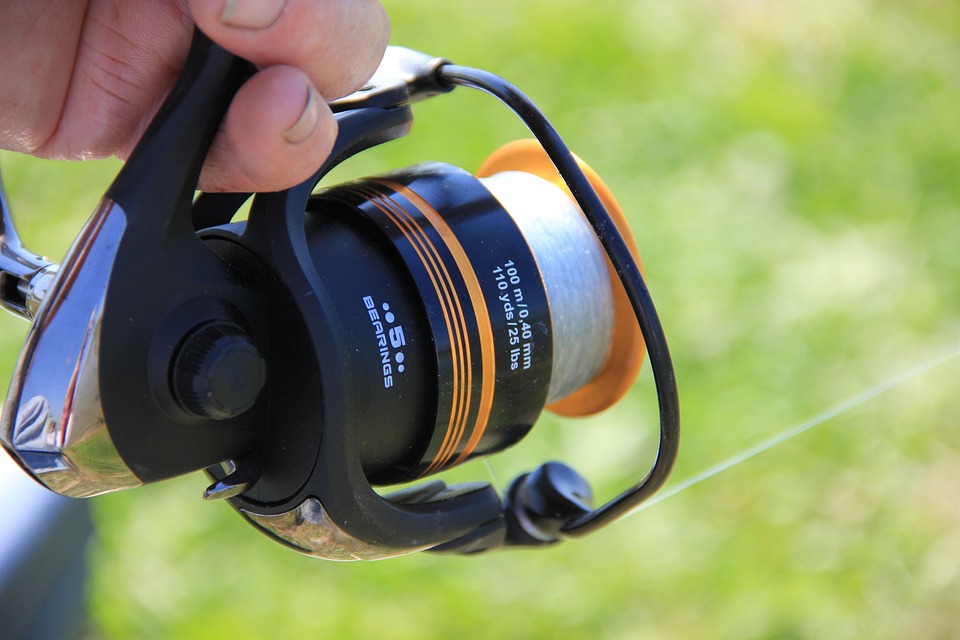
- Fishing Rod and Reel: Choose a rod and reel combo suitable for the type of fishing you aim to do. For example, medium-heavy rods are excellent for freshwater species, while heavier setups work best in saltwater.
- Fishing Line: Select the right type and strength of line. Monofilament lines are versatile, while braided lines are strong and sensitive, making them ideal for heavy cover.
- Bait and Lures: Understand which baits or lures are best for your target species. Live bait is often more effective for various species, but artificial lures have their place, too.
Understanding Fish Behavior
Fish are influenced by a myriad of factors, including water temperature, time of day, weather conditions, and seasonal patterns. Being aware of these elements can dramatically enhance your success rates.
Temperature and Season
Fish are cold-blooded creatures and their activity levels fluctuate with water temperature. In warmer waters, fish are generally more active. Summer mornings and evenings can yield higher catches as fish feed more aggressively during these times. Conversely, winter requires more patience, as fish tend to become lethargic.
Location, Location, Location
Knowing where to cast your line is crucial. Here are some key locations to target:
- Structures: Fish seek shelter near rocks, logs, and underwater structures. These areas offer them protection from predators and are prime spots for anglers.
- Weed Beds: Aquatic vegetation attracts bait fish, drawing predators to these areas. Targeting the edges can yield fruitful results.
- Inlets and Outlets: Areas where water flows into and out of a body of water can be hotspots for fish, especially during spawning seasons.
Essential Techniques for Success
Knowing how to handle your gear and techniques can enhance your fishing efficacy.
Casting Techniques
Perfecting your casting technique is fundamental. Practice makes perfect! Aim for precision rather than just distance. Master different techniques, such as:
- Overhead cast: Ideal for long casts.
- Sidearm cast: Useful in confined spaces.
- Roll cast: Effective in tight environments where you cannot back cast.
Retrieval Methods
How you retrieve your bait or lure can attract or repel fish. Experiment with:
- Fast Retrieval: Best for active, feeding fish.
- Slow, Steady Retrieval: Effective for lethargic fish, making them think your bait is an easy target.
Safety and Environmental Considerations
Ensuring your safety and that of the environment is paramount. Always wear a life jacket and be aware of your surroundings. Moreover, practice ‘catch and release’ when appropriate to preserve local ecosystems. Respect local fishing regulations, which help keep fish populations healthy.
Choosing the Right Time
Timing your trip can significantly affect your success. The best times to fish include:
- Dawn and Dusk: Fish are most active during these periods, often feeding before and after their daily routines.
- Post-Weather Fronts: After storms or cold fronts, fish tend to become active as the weather stabilizes.
- Seasonal Patterns: Understanding when different species spawn or migrate will considerably increase your chances of a successful haul.
Fishing Etiquette
Good etiquette makes the fishing experience enjoyable for everyone. Be aware of other anglers and give them space. Do not crowd others’ spots, and always ask for permission before fishing from private docks or land. Practice cleanliness by taking your trash with you and avoiding littering.
Conclusion
In summary, successful fishing expeditions require a combination of the right gear, understanding fish behavior, mastering casting and retrieval techniques, ensuring safety, and practicing good etiquette. Fishing is much more than just catching fish; it’s about appreciating nature, forging memories with friends and family, and sometimes even finding a moment of peace on a busy day. Remember that every outing is a chance to learn something new, so embrace the journey with patience and passion. Whether you fulfill your cooler with fish or enjoy the serenity of the water, the true victory lies in the adventure of the chase.
FAQs
What is the best bait for beginners?
Live bait such as worms or minnows is often recommended for beginners, as they are effective and easy to manage.
Do I need a fishing license?
Yes, in most places, a fishing license is required. Be sure to check local regulations before you head out.
What gear should I start with?
A simple rod and reel combo, a tackle box with basic lures and hooks, and a fishing license are all you need to get started.
How can I improve my casting distance?
Practice regularly and focus on your technique. Using a longer rod can also help, as it allows for more leverage in your cast.
What should I do if I catch a fish?
If you plan to keep the fish, dispatch it quickly and humanely. If you’re practicing catch and release, handle the fish carefully and release it back into the water as quickly as possible.
- advanced fishing techniques
- artificial bait fishing
- bait fishing
- boat fishing methods
- casting fishing
- deep sea fishing techniques
- drift fishing
- fishing knots techniques
- fishing methods
- fishing methods for beginners
- fishing rigs methods
- fishing strategy tips
- fishing techniques
- fly fishing techniques
- freshwater fishing techniques
- inshore trolling
- jigging fishing
- live bait fishing
- lure fishing methods
- modern fishing techniques
- offshore trolling
- popping fishing
- professional fishing methods
- saltwater fishing techniques
- shore fishing methods
- slow jigging
- spinning fishing
- topwater popping
- trolling fishing
- vertical jigging










Leave a comment