













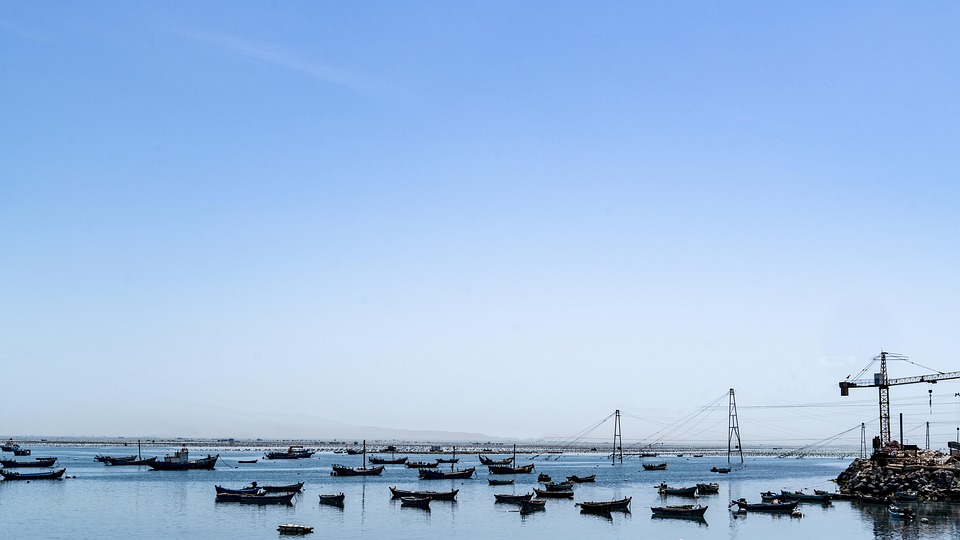
Fishing is more than just a pastime; it’s an adventure, a chance to bond with nature, and a gateway to tranquility. For beginners, however, the array of fishing techniques can be overwhelming. This article will explore the essential fishing methods every novice should master, ensuring a rewarding fishing experience on your first outing and beyond.
1. Understanding the Basics of Fishing
At its core, fishing is about using bait, lures, and the right techniques to catch fish. To be successful, beginners should familiarize themselves with a few fundamental concepts:
- Equipment: Understanding the different types of rods, reels, lines, and lures can empower you to choose the right tools for your fishing adventures.
- Species Knowledge: Researching local fish species will inform your bait and technique choices.
- Safety: Knowing the safety precautions to take is crucial, particularly when fishing in certain locations.
2. Essential Fishing Techniques
2.1 Bait Fishing
Bait fishing is the most straightforward method. In this technique, live bait or artificial lures are used to attract fish. Beginners often find success using:
- Worms: Easily accessible and effective for various freshwater species.
- Minows: Great for attracting larger predatory fish.
- Artificial Lures: These mimic the action of prey and can be very effective once mastered.
2.2 Fly Fishing
Fly fishing is a captivating technique that involves casting a lightweight “fly” made of feathers and other materials to mimic insects on the water’s surface. Although challenging, it’s worth the effort. Here’s what you need to know:
- Gear: A fly rod and reel are essential for this technique.
- Casting Technique: The beauty of fly fishing lies in its unique casting technique, which requires practice and finesse.
- Match the Hatch: Understanding the natural food sources for fish will dictate the type of fly you’ll use.
2.3 Spin Fishing
Spin fishing is highly versatile and perfect for beginners. Utilizing a spinning reel, anglers can use various lures or baits with a simple casting technique. Here are some tips:
- Reel Selection: Choose a spinning reel that is appropriate for the size of fish you’re targeting.
- Retrieval Technique: Different retrieval speeds and techniques can provoke various fish activities.
- Location: Successful spin fishing often depends on where you fish; deeper and shaded areas often provide a better catch.
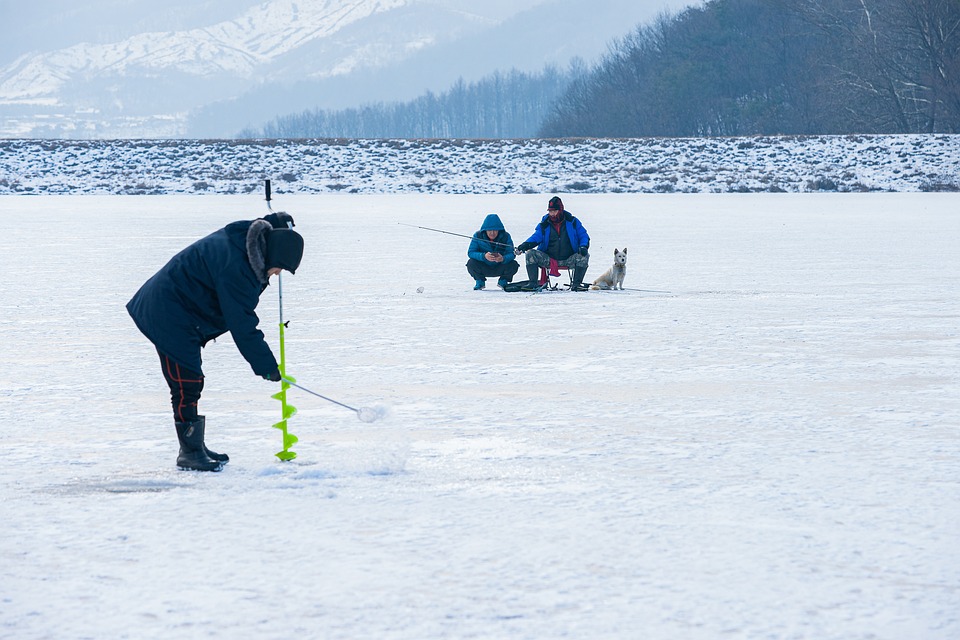
2.4 Ice Fishing
For those in colder climates, ice fishing opens a new season of possibilities. Beginners should prepare by learning how to:
- Drill Holes: Always ensure you have the necessary tools for drilling holes in the ice.
- Stay Warm: Dress in layers and bring portable heaters.
- Use Appropriate Bait: The bait may differ from traditional fishing to entice fish beneath the ice.
3. The Importance of Local Knowledge
While learning the methods is crucial, understanding your local fishing spots is equally important. Consider the following strategies:
- Local Regulations: Always familiarize yourself with fishing regulations in your area, including season dates, catch limits, and required licenses.
- Visit Local Tackle Shops: These shops often have knowledgeable staff who can provide insights on the best spots, techniques, and new gear.
- Join a Fishing Community: Engaging in local fishing groups or online forums can yield helpful tips and shared experiences.
4. Practical Tips for Beginners
To ensure a successful fishing experience, beginners should adhere to some simple yet impactful tips:
- Practice Patience: Fishing is often about waiting for the right moment; enjoy the process without rushing.
- Keep It Simple: Start with simpler techniques before moving to more complex methods.
- Diversify Your Skills: Try different methods and learned techniques. This diversity will enhance your fishing repertoire.
- Documentation: Keep a fishing log to document your successes (and failures!). This can help you learn and improve over time.
Conclusion
Fishing offers a unique blend of tranquility, adventure, and the thrill of the catch. By mastering essential techniques such as bait fishing, fly fishing, spin fishing, and even ice fishing, beginners can set themselves up for success from the start. Understanding local knowledge and immersing oneself in the community only enhances the experience. With patience, practice, and passion, anyone can find joy in fishing, transforming it from a beginner’s adventure into a lifelong hobby. Cheers to casting your line and enjoying the great outdoors!
FAQs
Q1: What fishing gear do I need as a beginner?
A: As a beginner, you should have a basic fishing rod and reel combo, fishing line, hooks, sinkers, and various types of bait or lures. A tackle box for organization is also beneficial.
Q2: How do I choose the right fishing spot?
A: Research local fishing reports, consult local tackle shops, and talk to experienced anglers. Look for areas with structure, shade, and accessible shorelines.
Q3: Do I need a fishing license?
A: Yes, most places require a fishing license to fish legally. Check local regulations to determine the specific requirements in your area.
Q4: Can beginners successfully catch fish?
A: Absolutely! With the right technique, patience, and practice, beginners can certainly catch fish. Starting with easier methods will boost confidence and skills.
Q5: What’s the best time of day to fish?
A: Early morning and late afternoon are typically the best times to fish when fish are most active. However, this can vary depending on the species and weather conditions.
- advanced fishing techniques
- artificial bait fishing
- bait fishing
- boat fishing methods
- casting fishing
- deep sea fishing techniques
- drift fishing
- fishing knots techniques
- fishing methods
- fishing methods for beginners
- fishing rigs methods
- fishing strategy tips
- fishing techniques
- fly fishing techniques
- freshwater fishing techniques
- inshore trolling
- jigging fishing
- live bait fishing
- lure fishing methods
- modern fishing techniques
- offshore trolling
- popping fishing
- professional fishing methods
- saltwater fishing techniques
- shore fishing methods
- slow jigging
- spinning fishing
- topwater popping
- trolling fishing
- vertical jigging












Leave a comment