

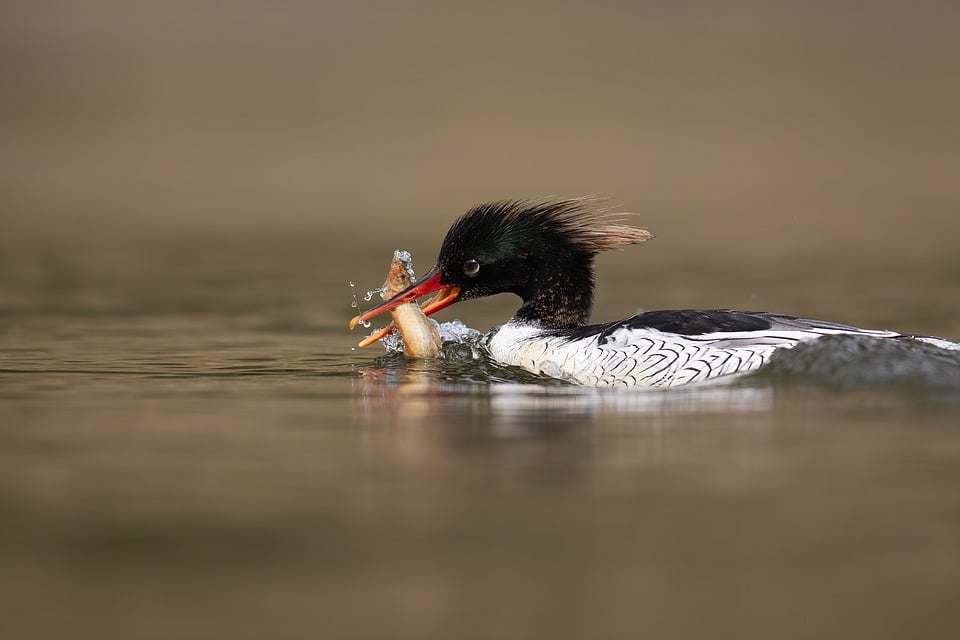


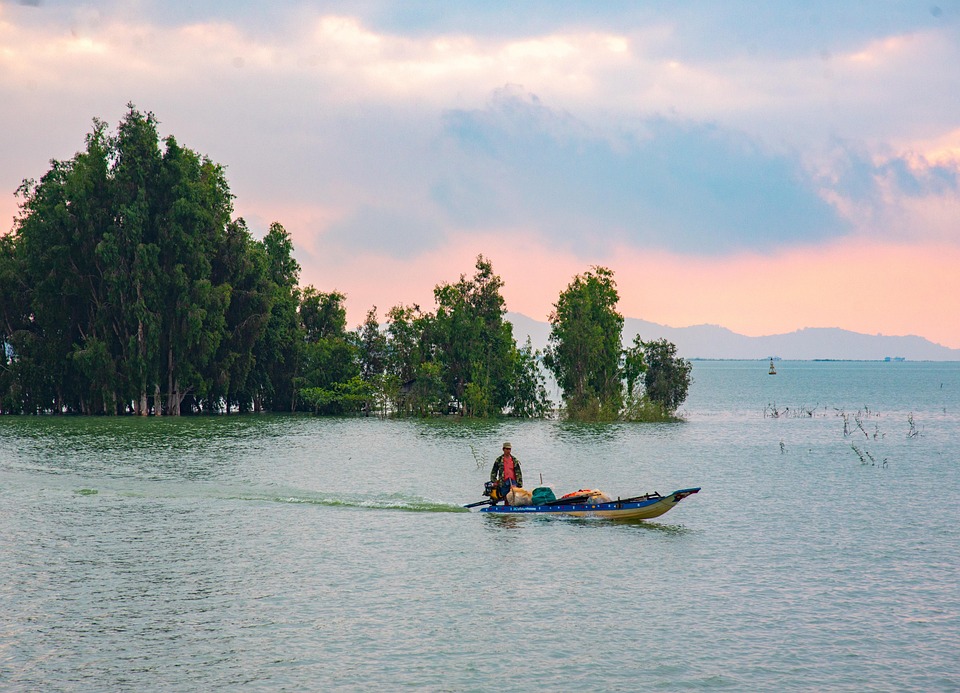
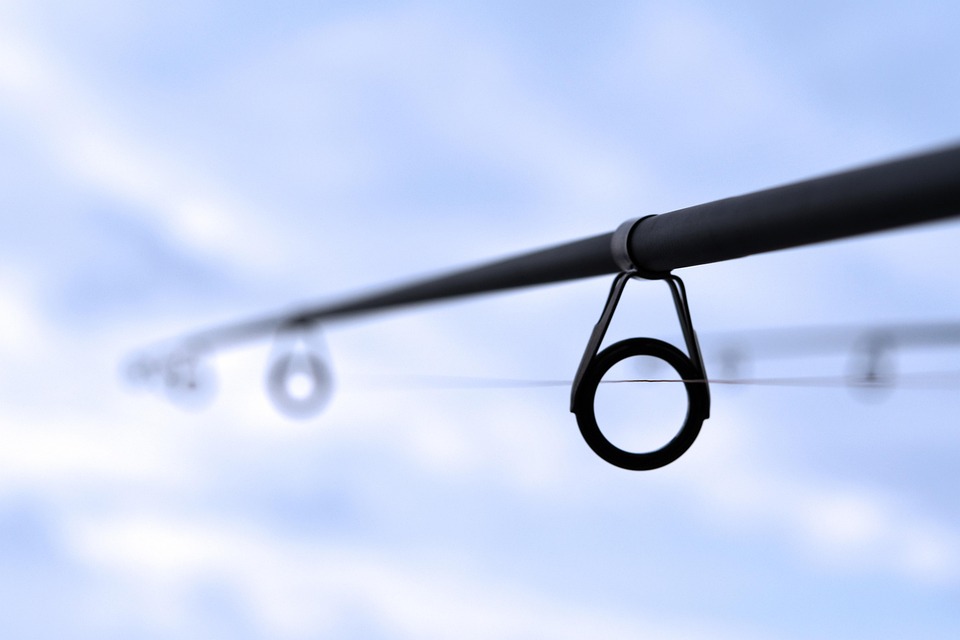








The allure of fishing is often tied to the thrill of the catch, yet many anglers find themselves captivated by the spectacle that accompanies it. One of the most exhilarating methods in angling involves the mesmerizing “topwater popping,” where bait dances on the surface, creating splashes that provoke a predatory response in fish. This feature delves deep into the nuances of topwater fishing and the dynamics of splash and dash tactics.
The Basics of Topwater Fishing
At its core, topwater fishing relies on enticing fish to attack baits that float or skim across the surface of the water. This technique primarily targets species such as bass, pike, and tarpon, which are visually oriented and often respond aggressively to surface disturbances.
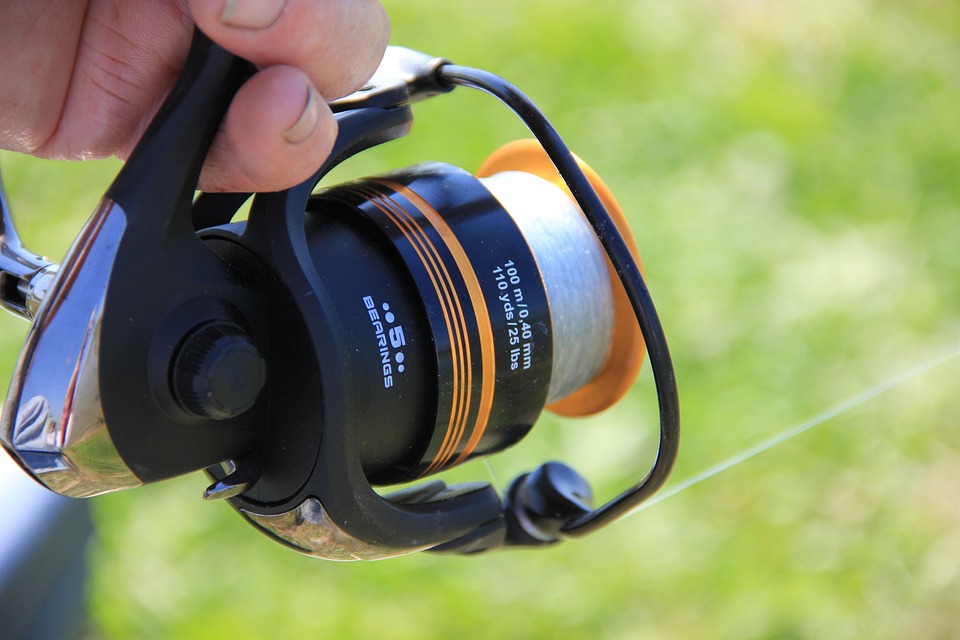
The setup for topwater fishing is straightforward; essential gear typically includes:
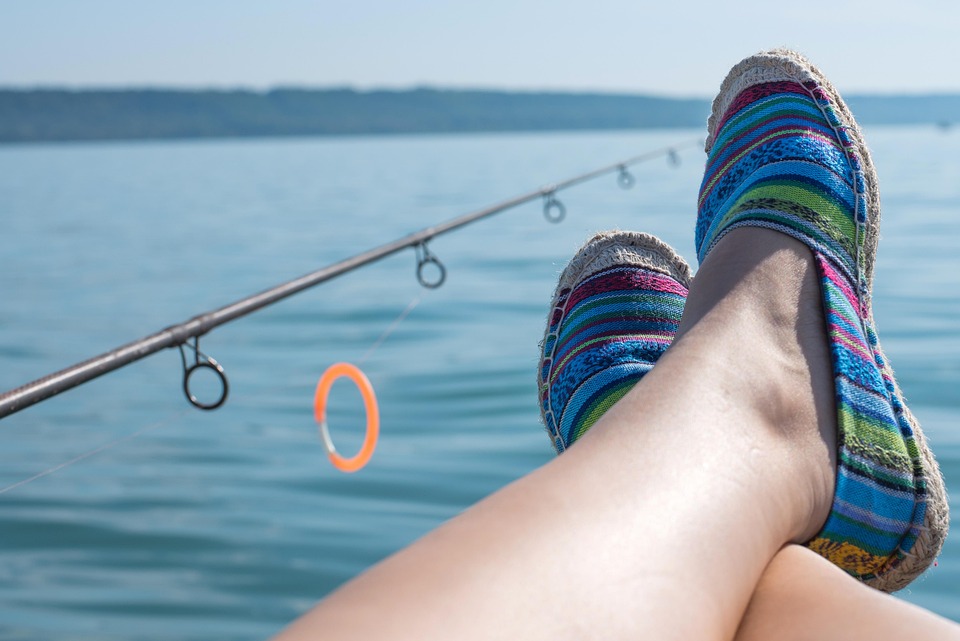
- Rod and Reel: A medium to medium-heavy rod with a fast action tip is optimal for quick hooks and a sensitive feel.
- Line: Braided line is favored for its sensitivity and low stretch, enabling better control and responsiveness.
- Baits: Options include popping plugs, walk-the-dog lures, and surface frogs—each offering unique action and noise.
The Art of Popping
“Popping” refers to the technique when an angler jerks the rod to create a disturbance on the surface. This action emanates a sound and a splash that mimics injured prey, thus attracting fish. The timing of this action is crucial; it must be executed in short, sharp bursts to maintain the bait’s attractiveness.
Popping Techniques
Different types of popping techniques yield varying results. Here’s a breakdown:
- Short, Sharp Pops: This method creates a rapid, enticing noise. One or two quick, sharp jerks followed by short pauses can trigger a predatory response.
- Pace Variability: Changing the pace between pops can confuse fish, making your bait appear more lifelike. Begin with steady pops, then intersperse longer pauses.
- Varying Angles: Adjusting the angle of your rod can alter how the bait behaves on the surface. For instance, a lower angle can create a more splashy sound, while a higher angle can allow for a quicker retrieve.
Understanding Fish Behavior
The effectiveness of splashing and popping hinges not solely on technique but also on an understanding of fish behavior. During certain times of year, species like bass exhibit distinct surface-feeding patterns. Recognizing these patterns can substantially increase your chances of success.
Seasonal Patterns
Awareness of seasonal spikes in fish activity can guide anglers:
- Spring: As fish enter spawning season, they become increasingly aggressive. Early mornings and late evenings see enhanced surface activity.
- Summer: Fish often seek cooler surface waters. Early mornings and evenings remain productive, especially during low light conditions.
- Fall: As temperatures drop, fish eat voraciously to build reserves for winter. This time often presents explosive surface action.
- Winter: While less active, during warmer spells, fish may briefly rise to the surface, making early afternoon a potential window for action.
The Significance of Local Ecosystems
Fisheries are varied and influenced by local ecosystems. Factors such as water clarity, substrate, and associated flora and fauna play a decisive role in fish behavior and the efficacy of topwater techniques.
Water Clarity
Clear waters often require more subtle approaches. Fish can be easily spooked; lighter, smaller baits that create less of a disturbance can be more effective. Conversely, murky waters can hide anglers, making aggressive pops more appealing and effective.
Forage Base
Understanding what fish are feeding on in specific waters can dictate the choice of lure and retrieval method. In some regions, for instance, hatching insects may be prevalent. Here, anglers would benefit from small, popping fly patterns or surface lures that imitate these organisms.
Insights from the Experts
To gain an in-depth perspective on topwater popping, we explored insights from experienced anglers and fishing guides.
“The thrill of a topwater bite is unparalleled,” says pro fisherman Tyler Johnson. “When you see the fish explode, it’s all worth it. Timing is everything; there’s a dance to it.”
Fishing guide Sarah Clark adds, “Understanding the behaviors of local fish populations and adapting your technique is vital. You can’t just pop and hope for the best. You have to engage with the water and what’s in it.”
The Thrill of the Chase
The adrenaline rush of seeing a fish attacking a topwater bait is a unique aspect of this fishing method. The explosion of water, the sudden pull on the line, and the visual spectacle create an experience unlike any other. What’s more intriguing is the variety of species that can be drawn to topwater techniques.
Catch More Than Just Bass
While bass are the poster fish for topwater, don’t overlook species like:
- Pike: They are thrilling fighters and tend to strike harder than other species.
- Tarpon: The acrobatics and jumps they produce are mesmerizing, making them a favorite among anglers focused on sport fishing.
- Trout: Particularly in streams and rivers, trout can be enticed with well-timed surface lures.
Safety and Environmental Considerations
With the joys of fishing come responsibilities. It’s critical for anglers to adopt sustainable practices to preserve our aquatic ecosystems. Here are some considerations:
- Catch and Release: Especially for species that are endangered or have restrictions on catch limits, adopting catch and release practices is important.
- Proper Lure Selection: Using barbless hooks, or those designed to minimize harm, can aid in fish survival.
- Clean Up: Be mindful of waste, ensuring that no litter is left behind to harm wildlife.
Conclusion
Splash and dash techniques in topwater fishing have been fine-tuned over generations, blending skill, intuition, and an understanding of aquatic ecosystems. As anglers continue to unlock the mysteries of surface fishing, they’re not just chasing a catch but also embracing a deeper connection with nature. The rhythmic popping, the water’s dance, and the thrill of a strike encapsulate what makes fishing a cherished pursuit. So grab your gear, head to the body of water you find most enticing, and immerse yourself in the art of topwater popping. Whether you’re a seasoned pro or a novice, the world of topwater fishing awaits—full of secrets to explore, skills to hone, and plenty of exhilarating experiences to capture.
FAQs
- What is topwater fishing? Topwater fishing involves using lures that float on the surface of the water to attract predatory fish.
- What types of lures are best for topwater fishing? Common lures include popping plugs, walk-the-dog lures, and surface frogs.
- When is the best time for topwater fishing? Early mornings and late evenings, especially in spring and summer, often yield the best results.
- Do you need special equipment for topwater fishing? While standard rod and reel can work, a medium to medium-heavy rod with braided line is recommended for better control and sensitivity.
- How can I tell if fish are feeding on the surface? Look for visible activity such as jumping fish, ripples, or surface boils.
- advanced fishing techniques
- artificial bait fishing
- bait fishing
- boat fishing methods
- casting fishing
- deep sea fishing techniques
- drift fishing
- fishing knots techniques
- fishing methods
- fishing methods for beginners
- fishing rigs methods
- fishing strategy tips
- fishing techniques
- fly fishing techniques
- freshwater fishing techniques
- inshore trolling
- jigging fishing
- live bait fishing
- lure fishing methods
- modern fishing techniques
- offshore trolling
- popping fishing
- professional fishing methods
- saltwater fishing techniques
- shore fishing methods
- slow jigging
- spinning fishing
- topwater popping
- trolling fishing
- vertical jigging











Leave a comment