















Vertical jigging is a fishing technique that has gained popularity among anglers worldwide for its effectiveness and excitement. Unlike traditional fishing methods, vertical jigging involves dropping a baited jig vertically and then rapidly lifting it to mimic the movement of injured prey. This method allows anglers to target a variety of species, making it a versatile choice for both freshwater and saltwater fishing.
Understanding the Basics of Vertical Jigging
At its core, vertical jigging is about motion and depth control. By understanding how to manipulate a jig’s movement, anglers can entice predatory fish to strike. The basic principle involves using a weighted jig that sinks quickly to the desired depth, followed by a series of rhythmic lifts and drops to create an enticing presentation.
The Equipment You Need
To successfully engage in vertical jigging, the right gear is essential. Here’s what you need:
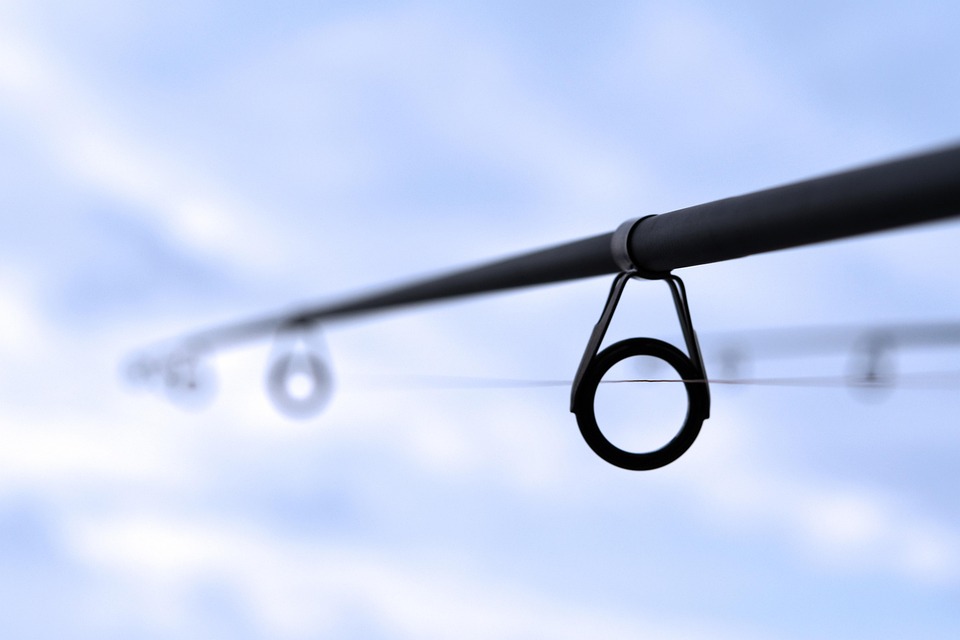
- Rod: A medium to medium-heavy rod, typically between 6 to 7 feet, provides the necessary backbone for lifting heavy jigs and fighting larger fish.
- Reel: A high-speed reel is crucial, allowing for quick retrieval and maintaining tension on the line.
- Line: Braided line is preferred due to its sensitivity and strength. A 20- to 50-pound test line is standard depending on the species targeted.
- Jigs: Jigs come in various shapes, weights, and colors. Fish the conditions and match the local forage when selecting jigs.
Choosing the Right Jigs
There are countless types of jigs available, each designed for specific conditions and species. Broadly, jigs can be categorized into:
- Metal Jigs: These are heavy, compact, and generally productive in deeper waters, making them a favorite choice among saltwater anglers.
- Soft Plastic Jigs: Featuring more buoyancy and an appealing swim action, these jigs are ideal for freshwater species and can mimic a variety of prey.
- Paddle-Tail Jigs: These provide exceptional movement to attract fish, especially in shallow waters.
Mastering the Technique
The technique of vertical jigging involves a few critical motions:
1. Dropping the Jig
Begin by dropping your jig straight down to the desired depth. It’s essential to be aware of the water column and fish depth to ensure you’re targeting at the right level.
2. Lifting the Jig
After the jig reaches the bottom, lift it abruptly with a brisk upward motion, engaging with the rod tip. A 1- to 3-foot lift works well in many situations.
3. The Drop
Let the jig fall back down. During this phase, many strikes will occur, so be ready to set the hook at any moment!
Reading the Water
Successful vertical jigging relies heavily on understanding the aquatic environment. Factors to consider include:
- Structure: Fish are often found near structures like rocks, reefs, or wrecks. Target these areas while adjusting your depth accordingly.
- Current: Strong currents may require heavier jigs to ensure your bait remains in the strike zone.
- Time of Day: Fishing at dawn and dusk can increase your chances of encountering feeding fish.
Seasonal Considerations
Frequently, the success of vertical jigging is tied to seasonal changes. Different species exhibit distinct behaviors throughout the year:
- Spring: Fish are often moving into shallower waters to spawn. This is an excellent time to fish with lighter jigs and target bedding fish.
- Summer: As temperatures rise, deeper waters become the norm. Heavy metal jigs work well in this season.
- Fall: Just before winter, fish tend to feed aggressively in preparation for colder months, making this an ideal time for vertical jigging.
- Winter: Fish slow down and become sluggish. A slow presentation is crucial to entice bites during this season.
Top Species for Vertical Jigging
Vertical jigging is exceptionally effective for targeting several fish species:
- Cod: One of the favored targets for jig anglers, cod respond well to heavy metal jigs worked vigorously.
- Haddock: Found in similar environments as cod, haddock also enjoy a fast presentation.
- Snapper: In tropical waters, the snapper is a prime target that responds to vibrant jigs.
- Largemouth Bass: In freshwater, bass can be effectively targeted using vertical jigging techniques.
Tips for Success
To maximize your success while vertical jigging, consider the following tips:
- Practice Your Timing: Ensure you are lifting and dropping the jig at the right pace, as this affects presentation.
- Change Colors: If you’re not getting bites, experiment with different colors and shapes of jigs.
- Fish with a Buddy: Having a partner can provide you with insight into what techniques and presentations are working best during your outing.
Conclusion
Vertical jigging is an art that combines technique, patience, and an understanding of the aquatic environment. Whether you are a rookie angler or a seasoned pro, mastering this method can greatly enhance your fishing experience. Remember to invest in quality gear, understand the intricacies of jigging, and always be ready to adapt your strategy based on conditions and fish behavior. With practice, you will not only become an adept jigging angler but will also appreciate the nuances of this engaging fishing technique.
FAQs
1. What types of fish can I catch using vertical jigging?
You can target a variety of species such as cod, snapper, bass, and tuna, depending on whether you are fishing in freshwater or saltwater.
2. Do I need special gear for vertical jigging?
While you don’t need drastically different gear, a medium-heavy rod and high-speed reel will improve your effectiveness and enjoyment of the technique.
3. What is the best time of year for vertical jigging?
Spring and fall are often considered the best seasons due to fish behavior, but fishing conditions can vary greatly, so it’s important to observe local conditions.
4. How do I ensure the jig is effective?
Practice different lifting techniques, experiment with jig weights and colors, and pay attention to the water conditions to find the most effective approach.
5. Can I use vertical jigging in shallow waters?
Yes! Light jigs can be effective in shallow waters, especially when using techniques that mimic injured prey.
- advanced fishing techniques
- artificial bait fishing
- bait fishing
- boat fishing methods
- casting fishing
- deep sea fishing techniques
- drift fishing
- fishing knots techniques
- fishing methods
- fishing methods for beginners
- fishing rigs methods
- fishing strategy tips
- fishing techniques
- fly fishing techniques
- freshwater fishing techniques
- inshore trolling
- jigging fishing
- live bait fishing
- lure fishing methods
- modern fishing techniques
- offshore trolling
- popping fishing
- professional fishing methods
- saltwater fishing techniques
- shore fishing methods
- slow jigging
- spinning fishing
- topwater popping
- trolling fishing
- vertical jigging











Leave a comment