

















The bluegill (Lepomis macrochirus) is one of North America’s most popular freshwater fish, loved by anglers for its spirited fight and delicious flavor. Known for their distinctive blue spots and sunfish shape, these fish can be found in virtually every part of the United States. Whether you are a novice angler or a seasoned fisher, knowing where to find bluegills can make a significant difference in your fishing experience. In this article, we will explore the best fishing spots across the country, discuss how to catch them, and cope with local regulations to ensure a productive outing.
Understanding Bluegill Habitats
To maximize your chances of catching bluegill, it’s essential to understand their preferred habitats. Bluegills thrive in a variety of aquatic environments, but they tend to favor:
- Shallow waters: During warmer months, bluegills often move to shallow waters, especially around 2 to 10 feet deep.
- Weed beds: Vegetation provides shelter and breeding grounds, making these areas prime locations for fishing.
- Stumps and submerged structures: Objects like stumps and rocks are popular hangouts for bluegills, creating excellent ambush points for predators.
- Brackish waters: In some regions, bluegills can also thrive in brackish waters, allowing them access to estuaries.
Top Bluegill Fishing Spots in the U.S.
When it comes to targeting bluegill, several locations stand out for their abundance and accessibility. Here’s a roundup of some of the best fishing spots across the country.
1. Lake Erie, Ohio
Lake Erie is not only known for its exceptional walleye fishing but also boasts impressive bluegill populations. The lake’s numerous bays and inlets create ideal habitats for bluegills, and the summer spawning season from May to July intensifies fishing opportunities.
2. Lake Havasu, Arizona
Lake Havasu is an excellent destination for bluegill fishing, especially during the spring months. The lake’s warm waters attract bluegills as they migrate to shallow areas to spawn. Anglers can find success near rocky structures and drop-offs.
3. Saginaw Bay, Michigan
Saginaw Bay is renowned for its diverse fish populations. Bluegills thrive in this area, particularly during the summer months. Fishermen often target them near weed beds and rocky shorelines.
4. Table Rock Lake, Missouri
Table Rock Lake is well-known for its clear waters and vibrant aquatic life. The lake is a hotspot for bluegill fishing, especially during the bedding season. Anglers often have great success in shallow, weedy areas.
5. the Chain O’Lakes, Illinois
This extensive chain of lakes in northern Illinois offers some of the best bluegill fishing in the Midwest. The interconnected water bodies support healthy bluegill populations, with ample opportunities for bank and boat anglers.
Best Techniques for Catching Bluegill
When it comes to fishing for bluegills, the techniques you employ can significantly impact your success. Here are some tried-and-true methods to help you reel in your next catch:
1. Bait Selection
Bluegills are opportunistic feeders. The right bait can make all the difference. Here are some popular options:
- Live bait: Waxworms, earthworms, and crickets are often irresistible to bluegills.
- Artificial lures: Try using small jigs, spinners, and soft plastic baits to attract bluegill.
2. Rigging Techniques
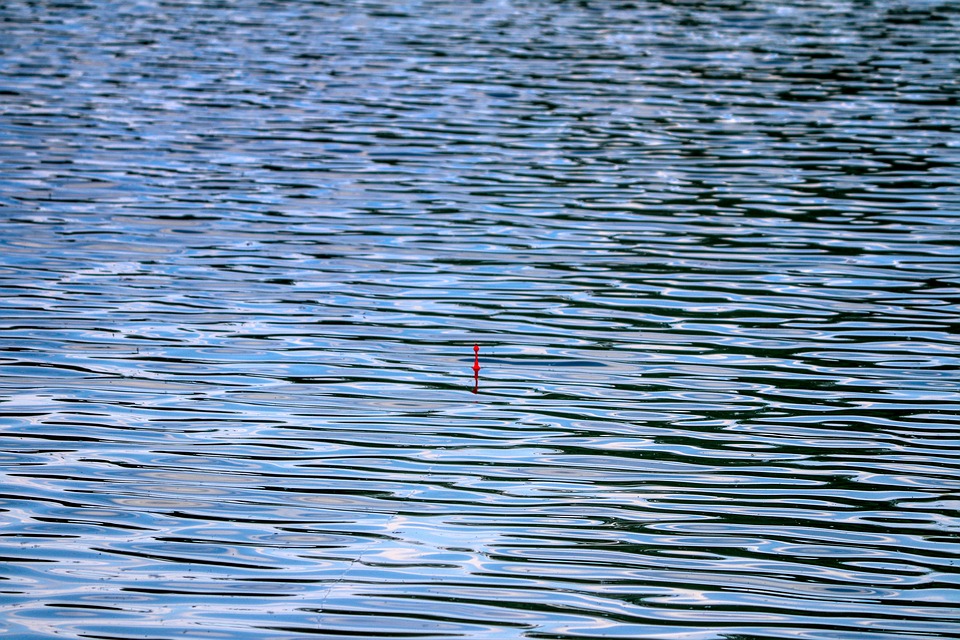
Using the right rigging can also enhance your chances of catching bluegill. A simple bobber rig can be highly effective, allowing you to suspend bait at the depth where bluegill are swimming. Alternatively, using a slip sinker rig can help you reach deeper waters.
3. Timing and Conditions
Time your fishing excursions for optimal success. Bluegills are often most active during:
- The early morning hours and late afternoon.
- Overcast days or periods after rain, which can increase feeding activity.
Fishing Regulations and Conservation
Like many species, bluegill populations are subject to fishing regulations to ensure sustainable practices and protect their habitats. Always check local fishing regulations regarding:
- Bag limits and size restrictions.
- Seasons during which fishing is permitted.
- Permits required for fishing in specific areas.
Adhering to these regulations not only promotes healthy fish populations but also ensures a better fishing experience for everyone.
Conclusion
The allure of bluegill fishing is undeniable, from their spirited fight to their delectable taste on the dinner plate. By knowing where to find the best fishing spots and understanding techniques that work effectively, anglers can enhance their fishing experience and connect with nature. Whether you’re casting from a quiet lake in Ohio or a riverbank in Illinois, bluegill fishing offers a rewarding adventure that anglers of all skill levels can enjoy. So grab your rod, stock up on bait, and set out for a bluegill bonanza!
FAQs
1. What time of year is best for bluegill fishing?
The best time for bluegill fishing is typically during the late spring through early summer, particularly around their spawning period.
2. How do you tell the difference between male and female bluegills?
Males are usually more vibrant in color, displaying bright blue and olive hues, particularly during spawning. Females tend to be more muted in color, often darkening during the spawning season.
3. Are bluegills safe to eat?
Yes, bluegills are generally safe to eat and are considered a delicacy by many anglers. They are low in mercury compared to larger fish species.
4. Can bluegill be caught year-round?
While bluegills can be caught year-round, their activity varies with water temperature and weather conditions. They are most accessible during warmer months.
5. What equipment do I need for bluegill fishing?
A light rod and reel combo, 4-6 pound test line, and a selection of bait such as worms or small lures should suffice for bluegill fishing.
- bass fishing
- Bluegill Fishing
- carp fishing
- catfish fishing
- Crappie Fishing
- freshwater angling
- freshwater bait fishing
- freshwater fishing
- freshwater fishing gear
- freshwater fishing guides
- freshwater fishing species
- freshwater fishing techniques
- freshwater fishing tips
- freshwater fly fishing
- freshwater spinning fishing
- inland fishing
- lake fishing
- lakes fishing
- largemouth bass fishing
- muskie fishing
- panfish fishing
- Perch Fishing
- pike fishing
- pond fishing
- reservoir fishing
- reservoirs fishing
- river fishing
- rivers fishing
- Salmon Fishing
- smallmouth bass fishing
- stream fishing
- Tilapia Fishing
- Trout Fishing
- Walleye Fishing









Leave a comment