














Bass fishing stands as one of the most popular pastimes for anglers around the globe. Whether you’re a novice just stepping into the realm of fishing or a seasoned expert looking to refine your skills, understanding the various fishing rigs is essential. While countless configurations exist, we’ll delve into the top five bass fishing rigs that every angler should master to enhance their fishing experience and increase their catch rate.
1. Texas Rig
The Texas rig is arguably one of the most versatile and widely used bass fishing rigs. It is particularly effective when fishing in heavy cover like thick grass, weeds, or wood, where bass often hide.
Setup
- Choose a hook suitable for your bait (usually a worm or creature bait).
- Select a sinker, typically between 1/8 oz. to 3/8 oz.
- Thread the line through the sinker, tie the hook, and insert the bait.
Technique
Cast the rig out and allow it to sink to the bottom. Slowly retrieve it by dragging or hopping it across the bottom. The key to success with the Texas rig is patience; let the fish take the bait before setting the hook.
2. Carolina Rig
The Carolina rig is ideal for covering substantial areas of water, particularly in deeper zones. It excels in subduing bass that are suspended in water columns or hanging out near the bottom.
Setup
- Use a heavier sinker, typically between 1/2 oz. to 1 oz., depending on the conditions.
- Thread the sinker onto the line followed by a bead to prevent it from hitting the knot.
- Attach a leader line (usually 18 to 36 inches long) and tie on a hook.
- Add a soft plastic bait to the hook.
Technique
Cast out the Carolina rig and allow it to sink. Retrieve slowly, feeling for any resistance. This rig provides an enticing presentation for bass, tempting them to engage.
3. Jig Rig
The jig rig is an unstoppable rig when it comes to attracting big bass, especially in the spring and fall. Jigs can be customized with various trailers to match the bass’s natural prey, such as crawfish or shad.
Setup
- Select a jighead typically weighing between 1/4 oz. to 1 oz.
- Choose a trailer, which can be a soft plastic bait, to give it additional bulk.
Technique
Cast the jig into target areas and let it settle. Use a hopping or jigging motion to mimic the natural movement of prey. Pay attention to subtle bites and set the hook decisively.
4. Drop Shot Rig
The drop shot rig is a finesse technique that has gained immense popularity over the years. It is perfect for targeting pressured or inactive bass in both shallow and deep waters.
Setup
- Use a drop shot weight (usually between 1/8 oz. to 1/2 oz) on the bottom of the line.
- Tie a hook 12 to 18 inches above the weight using a Palomar knot.
- Select a small bait, like a worm or minnow, to attach to the hook.
Technique
Cast the rig out and let it settle to the bottom. Use short lifts and pauses to make your bait dance and entice strikes. This rig is particularly effective when bass are finicky, requiring a more subtle approach.
5. Spinnerbait Rig
The spinnerbait rig is a favorite among many anglers due to its effectiveness in various conditions. It can create vibrations and flashes that attract fish, especially in murky waters.
Setup
- Select a spinnerbait with a blade design that suits the specifics of your water body.
- Choose the right weight (1/4 oz. to 1/2 oz.) based on the water depth.
Technique
Cast out the spinnerbait and retrieve at a steady pace. Vary the speed and depth of your retrieve to find what works best on a given day. The key is to keep the bait in a zone where bass are likely to be active.
Conclusion
Mastering these five bass fishing rigs—Texas rig, Carolina rig, jig rig, drop shot rig, and spinnerbait rig—will undoubtedly enhance your angling proficiency. Each rig presents unique advantages based on conditions, making them essential tools in any angler’s arsenal. Practice them diligently, adapt your techniques, and soon you’ll be well on your way to becoming a skilled bass angler. Always remember to respect the environment while fishing; being stewards of nature will ensure that future generations can enjoy this timeless sport.
FAQs
What is the best time of day to bass fish?
Early mornings and late afternoons are generally considered the best times to catch bass, as they are more active during these cooler parts of the day.
What type of rod and reel is best for bass fishing?
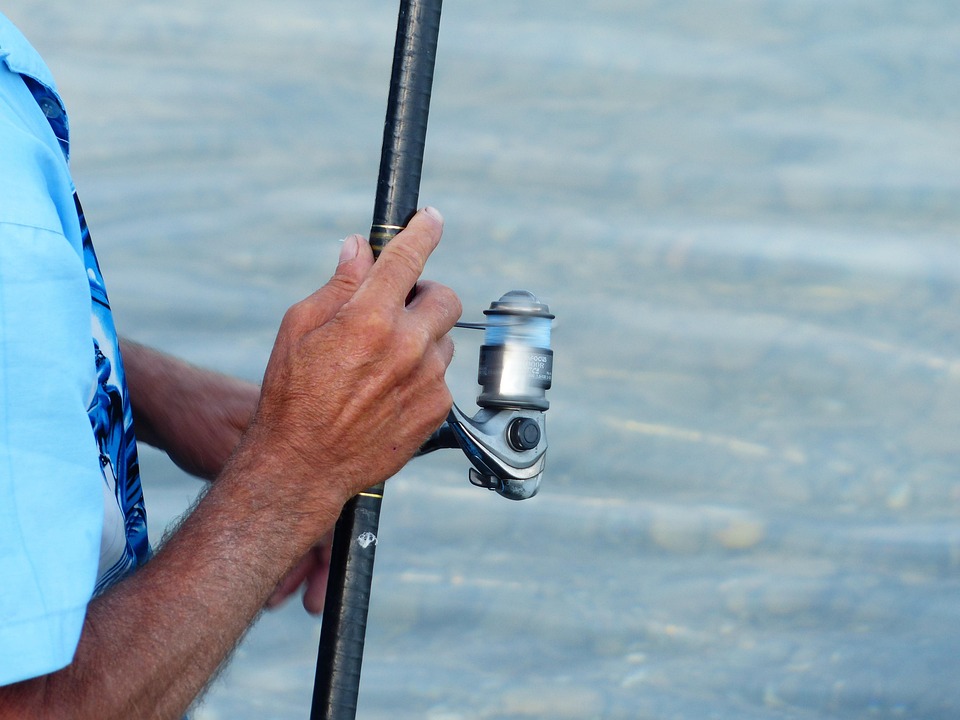
A medium to medium-heavy rod with fast action combined with a baitcasting reel or spinning reel is ideal for bass fishing. Choose line suitable for cover and the type of rig you are using.
Do I need a fishing license to bass fish?
Yes, a fishing license is typically required to fish for bass in public waters. Ensure you check local regulations before you go fishing.
What are some common baits used with these rigs?
Common baits include soft plastics like worms, creature baits, and jigs, as well as hard baits like crankbaits and spinnerbaits.
Can I use these rigs in saltwater fishing?
While these rigs are typically designed for freshwater bass fishing, some techniques can be adapted for saltwater species with appropriate adjustments to tackle and baits.
- advanced bass fishing
- bass angling
- bass fishing
- bass fishing baits
- bass fishing destinations
- bass fishing for beginners
- bass fishing guides
- bass fishing lakes
- bass fishing lures
- bass fishing patterns
- bass fishing reels
- bass fishing rigs
- bass fishing rods
- bass fishing seasons
- bass fishing tactics
- bass fishing techniques
- bass fishing tips
- crankbait bass fishing
- deep water bass fishing
- jig bass fishing
- largemouth bass fishing
- reservoir bass fishing
- river bass fishing
- shallow water bass fishing
- smallmouth bass fishing
- soft plastic bass fishing
- spinnerbait bass fishing
- spotted bass fishing
- topwater bass fishing
- tournament bass fishing










Leave a comment