


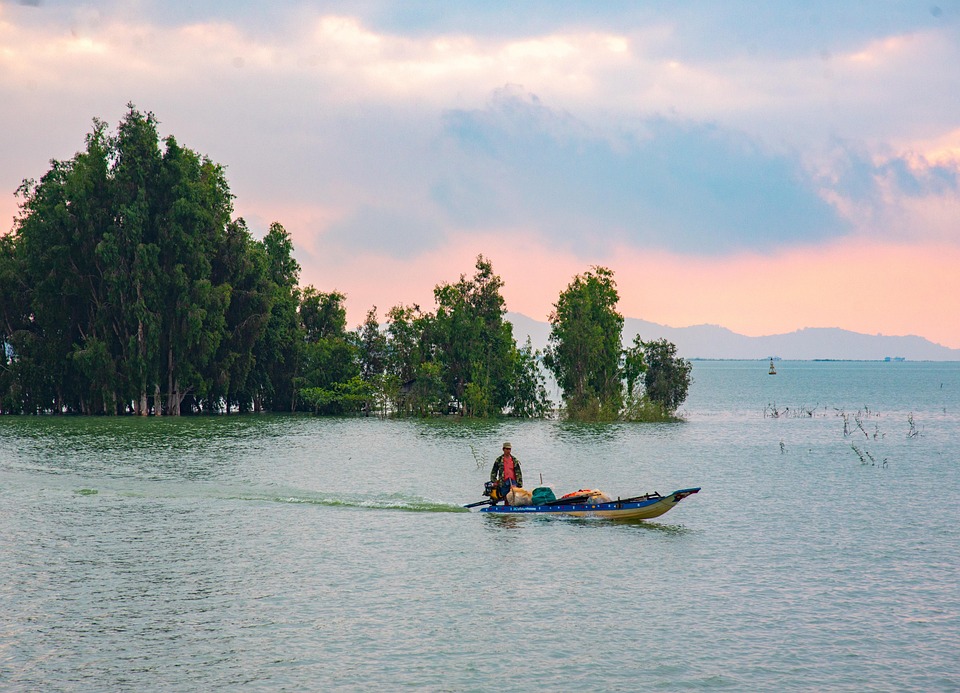










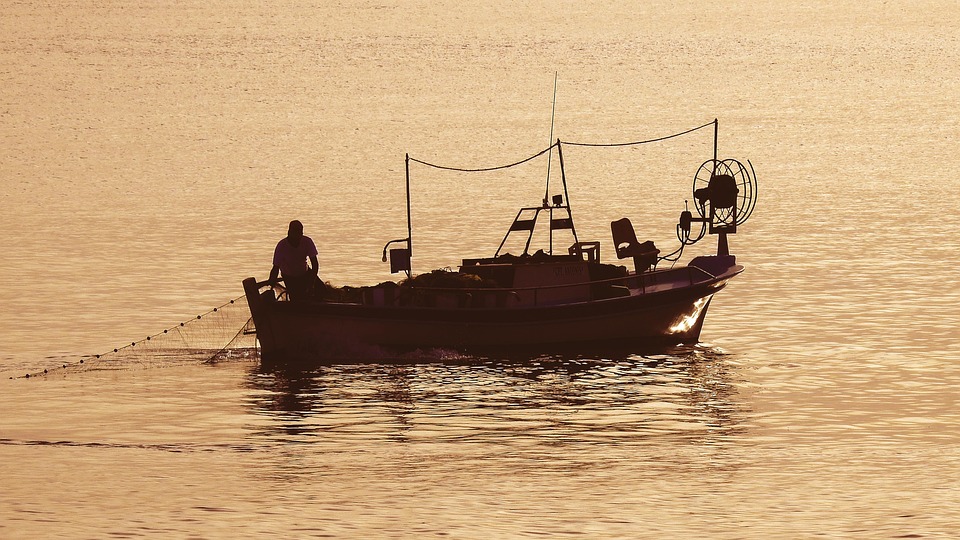
Trolling fishing, a technique that combines the artistry of angling with the thrill of the chase, offers anglers a unique way to maximize their catch while enjoying the great outdoors. Characterized by the method of drawing a bait through the water behind a moving boat, trolling allows for exploration of expansive waters and can target various species depending on the lure selection and techniques employed.
The Art of Trolling Fishing
Trolling is more than just a fishing method; it is an experience, blending anticipation, strategy, and connection with nature. Unlike traditional stationary fishing, trolling enables anglers to cover larger areas, increasing their chances of encountering schools of fish.
The Basics of Trolling
At its core, trolling involves moving a baited hook through water at a controlled speed. Whether you’re targeting species like salmon, trout, or tuna, the essence of trolling remains the same:
- Speed: Most trolling occurs between 2 to 6 knots. Adjusting speed can invoke different behaviors in fish.
- Depth: Control the depth of your lure using downriggers, weights, or selecting lures designed to dive. This adaptability is crucial, varying based on time of year and species.
- Location: Identifying fish-holding structures such as reefs, drop-offs, or currents increases your chances.
Understanding Lures
One of the most critical components of successful trolling is selecting the right lure. The lure mimics prey, attracting fish through movement and color. Below is a breakdown of various lure styles:
Types of Lures
- Plastic Baits: Soft, lifelike, and available in various colors, these baits are incredibly versatile.
- Hard Baits: These lures have a more durable makeup and often imitate fish or other aquatic creatures.
- Jigs: Designed for vertical movement, jigs can be very effective when combined with trolling methods.
- Spinners: With a spinning blade that creates vibrations and flash, spinners attract fish through sensory stimulation.
Colors and Patterns
Choosing the right color and pattern is significant. Fish perceive colors differently based on depth and water clarity. In clear water, brighter colors usually work well, while in murky water, darker shades may be more effective. Experimenting with various colors can often lead to finding the ultimate fishing secret for that day.
The Gear: Rods, Reels, and Line
The choice of equipment plays a pivotal role in the success of trolling fishing. Here’s a look at some essential gear components:
Fishing Rods
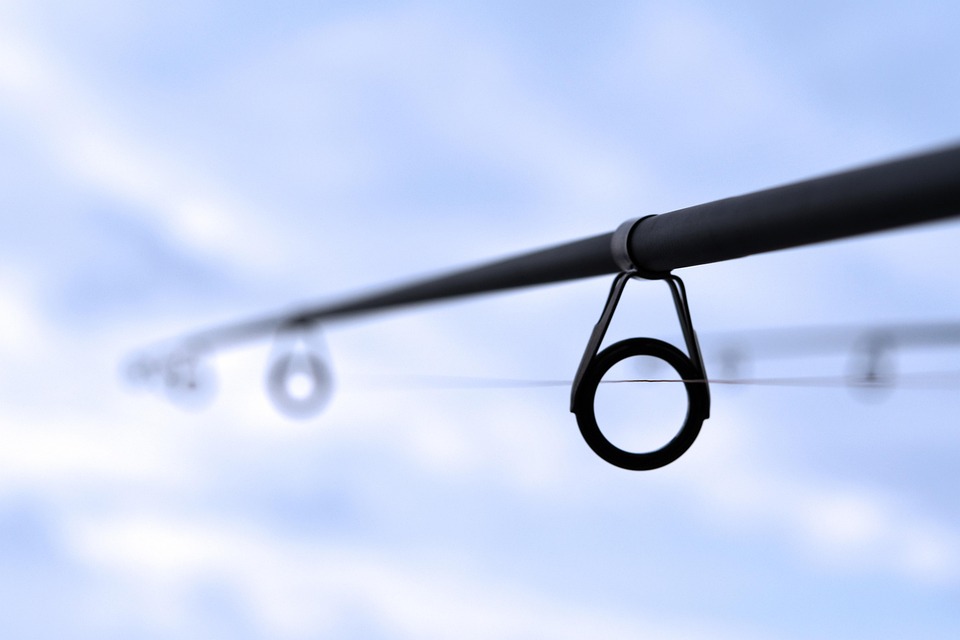
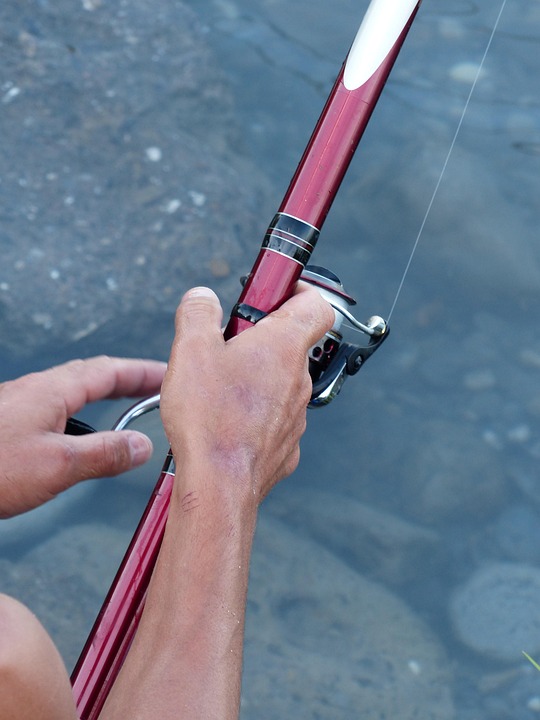
When trolling, the rod needs to be sturdy yet sensitive enough to detect subtle bites. Look for rods that are:
- 6 to 10 feet long, allowing for diverse trolling situations.
- Rated for the type and weight of fish you are targeting.
- Designed to withstand the rigors of saltwater or freshwater fishing.
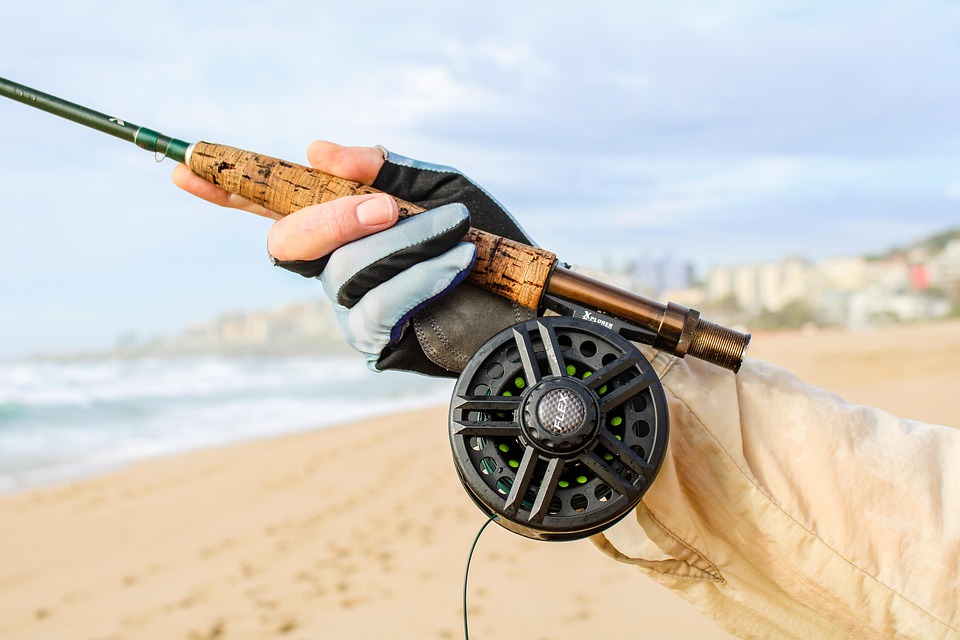
Reels
The right reel can make all the difference. Consider using:
- Conventional Reels: These are powerful and suited for larger fish.
- Spinning Reels: Great for lighter tackle and more delicate presentations.
Fishing Line
Choosing the correct line is crucial for successful trolling:
- Monofilament: Simple to handle and forgiving; it’s ideal for beginners.
- Braid: Offers minimal stretch, allowing for better sensitivity and hook-setting power.
- Fluorocarbon: Virtually invisible underwater, it can be an excellent choice for wary fish.
Techniques for Successful Trolling
While having the right gear and lures is essential, employing effective techniques can elevate your trolling game:
Search Patterns
Moving in patterns such as zigzags can help cover a larger area and expose your lure to various depth ranges. It provides a systematic approach to determining where fish may be holding.
Using Downriggers
Downriggers are invaluable for managing the depth of your lure. This equipment keeps your bait below the surface, allowing for better interaction with fish. Mastering their use maximizes your ability to hit specific depths where fish are likely to be feeding.
Paying Attention to Tides and Weather
The behavior of fish can be dramatically influenced by tides and weather conditions. Fish tend to be more active during tidal shifts or overcast days. Adjusting your trolling strategy in response to these changes increases your chances of catching more fish.
Advanced Tactics
Once you’ve mastered the basics of trolling fishing, you can further refine your techniques:
Probe Different Depths
Experimenting with various depths can yield surprising results. Fish can be picky about the depth at which they strike. Using a depth sounder can help identify where the fish are holding so that you can adjust your trolling technique accordingly.
Leader Lines
Employing leader lines can protect your line from abrasions and improve presentations to line-shy fish. Make sure your leader line is strong enough to withstand the fight but also allows for a natural presentation of the lure.
Learn to Read the Water
Understanding the behavior of water can transform your fishing game. Look for surface disturbances, temperature changes, or birds diving into the water, as these can indicate underwater activity and the presence of fish.
Conclusion
Successful trolling fishing is both an art and a science. By understanding the intricacies of your gear, the dynamics of fish behavior, and applying effective techniques, you can enhance your experience on the water. From selecting the right lure to mastering timing and depth, the secrets of trolling reveal themselves to those who are willing to learn and adapt. Ultimately, the thrill of the catch and the joy of the journey make trolling a rewarding pursuit for anglers of all levels.
FAQs
What is the best time to go trolling fishing?
The best time for trolling fishing can depend on the species you’re targeting but often aligns with early mornings or late afternoons. The activity can peak during tidal changes and on overcast days.
How fast should I troll?
The typical trolling speed ranges from 2 to 6 knots. Adjusting your speed can significantly influence the effectiveness of your lures.
How do I choose the right lure?
Consider factors like water clarity, depth, and the type of fish you’re targeting. Experiment with various colors, sizes, and types of lures to see what the fish are responding to on a given day.
Can trolling be effective in freshwater?
Absolutely! Trolling is effective for various freshwater species, including trout, walleye, and pike, as well as many other species found in lakes and rivers.
What fishing permits do I need for trolling?
Permits vary by state and country, so check local regulations to ensure compliance. Always be mindful of fishing seasons and limit regulations to protect fish populations.
- advanced fishing techniques
- artificial bait fishing
- bait fishing
- boat fishing methods
- casting fishing
- deep sea fishing techniques
- drift fishing
- fishing knots techniques
- fishing methods
- fishing methods for beginners
- fishing rigs methods
- fishing strategy tips
- fishing techniques
- fly fishing techniques
- freshwater fishing techniques
- inshore trolling
- jigging fishing
- live bait fishing
- lure fishing methods
- modern fishing techniques
- offshore trolling
- popping fishing
- professional fishing methods
- saltwater fishing techniques
- shore fishing methods
- slow jigging
- spinning fishing
- topwater popping
- trolling fishing
- vertical jigging














Leave a comment