















Fishing is more than a hobby; it’s a way to connect with nature, find tranquility, and sometimes even bring home a delicious meal. Whether you’re a seasoned fisherman or a novice looking to dip your toes into the angling world, choosing the right gear can make all the difference. Spinning gear has emerged as a popular choice for both beginners and veterans, thanks to its versatility, ease of use, and ability to cater to a wide range of fishing styles.
The Basics of Spinning Gear
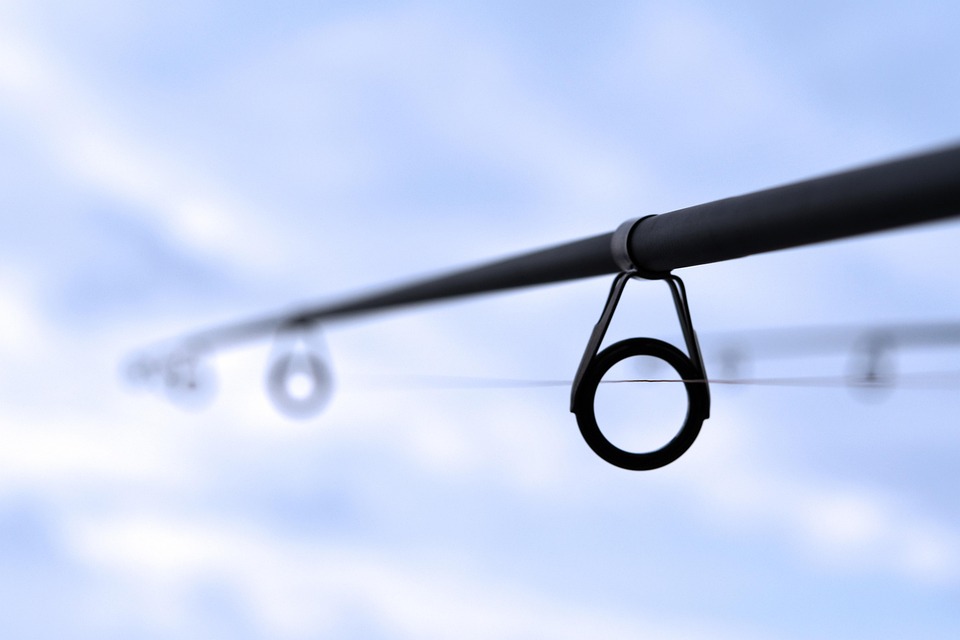
Spinning gear comprises a spinning rod and a spinning reel. The reel features a fixed spool and an open face, allowing for smoother line release. It’s typically paired with lighter lures, enabling anglers to cast further and more accurately. Here’s a closer look at the components:
- Spinning Rod: Generally lighter and more flexible than baitcasting rods, making them ideal for various fishing situations.
- Spinning Reel: Designed for easy handle operation, allowing for smooth line retrieval and quick adjustments.
- Line: Spinning gear is versatile in its compatibility with different types of fishing lines, including monofilament, fluorocarbon, and braided lines.
Why Spinning Gear Is Ideal for Beginners
Many beginners gravitate towards spinning gear due to its user-friendly nature. Casting techniques are relatively easy to master, which can enhance the learning experience. Here are some reasons beginners find spinning gear appealing:
- Simplicity: Unlike baitcasting gear, which requires a learning curve to avoid backlashes, spinning gear is straightforward to use. A simple flick of the wrist is often all that’s needed to cast.
- Versatile Lures: Spinning setups are compatible with a variety of lures and baits, from jigs to spinners and soft plastics.
- Lightweight Gear: Spinning rods are generally lighter and easier to handle, particularly during lengthy fishing trips.
Versatility of Spinning Gear
One of the greatest advantages of spinning gear lies in its versatility. Anglers can use it in various freshwater and saltwater settings to target different species:
Freshwater Fishing
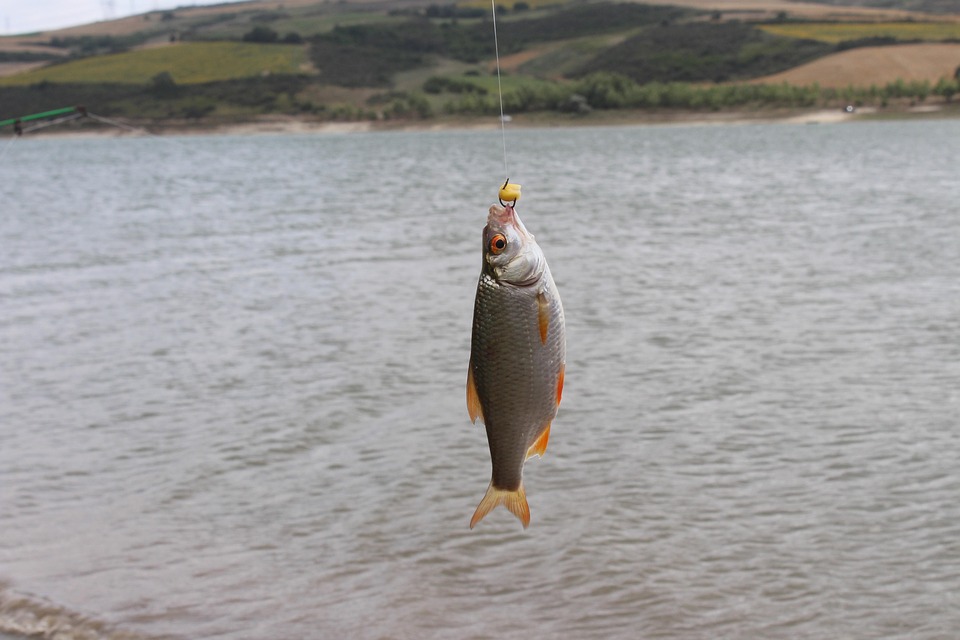
In freshwater lakes, rivers, and streams, spinning gear can be employed for species like bass, trout, crappie, and panfish. The ability to cast lighter lures enables anglers to cover a lot of water, increasing their chances of a catch.
Saltwater Fishing
Spinning gear works equally well in saltwater environments, allowing anglers to target species such as snook, cobia, and even offshore species like tuna when equipped with heavier rods and reels.
Inshore vs. Offshore
Spinning gear can perform well in both inshore and offshore conditions. While traditional boat fishing might often witness the exclusive use of larger baitcasting setups, spinning tackle has proven its mettle in deep sea fishing due to its strength and lighter tackle options.
Accessible for Everyone
Spinning gear is also commendably accessible, making it possible for anglers of all ages and skill levels to participate. Whether your fishing buddy is a small child or a grandparent with years of experience, spinning gear levels the playing field:
- Children: The manageable weight and casting ease make spinning gear an ideal option for young anglers, allowing them to enjoy the fishing experience without frustration.
- Seniors: Lighter rods reduce strain, helping older fishermen continue to engage in their favorite pastime.
- Disabled Anglers: Adaptive gear modifications are available that allow those with physical disabilities to effectively use spinning gear.
Cost-Effectiveness
For many, cost plays a crucial role in choosing fishing gear. Spinning gear is usually more affordable than high-end baitcasting setups. Quality spinning rods and reels can often be found at various price points, making them financially accessible:
- Entry-Level Options: Beginner-friendly spinning reels and rods can often be purchased together in combo packages that do not break the bank.
- Intermediate and Advanced Options: As anglers progress, many manufacturers offer mid-tier and high-performance spinning gear for those looking to upgrade without jumping to more complex setups.
Fishing Techniques and Strategies
With spinning gear, anglers can explore numerous fishing techniques, including:
1. Casting and Retrieving
Simple cast-and-retrieve methods work well with spinning gear, allowing anglers to efficiently cover a large area.
2. Trolling
Spinning gear is effective when employed in trolling setups, enabling anglers to target species like pike and trout without the complexity of other gear.
3. Vertical Jigging
For those fishing in deeper waters, vertical jigging can be highly effective, with the spinning reel’s smooth retrieve playing an essential role.
Conclusion
Spinning gear offers an unparalleled experience for all anglers, whether you’re a novice just learning the ropes or an expert seeking versatility and accessibility. Its ease of use, affordability, and adaptability to various fishing environments make it the optimal choice for countless fishing enthusiasts. By choosing spinning gear, you’re not just selecting equipment; you’re embracing a lifestyle filled with adventure, relaxation, and the thrill of fishing. Casting that line, feeling a tug, and landing your catch—these are the moments that make fishing memorable and fun.
FAQs
1. What size spinning reel should I use as a beginner?
As a beginner, a size 2000 to 3000 spinning reel is often recommended. It offers a good balance of line capacity and weight, suitable for various freshwater species.
2. Can I use spinning gear in saltwater fishing?
Absolutely! Many anglers use spinning gear for saltwater fishing. Just be sure to choose corrosion-resistant components and appropriate line suitable for saltwater conditions.
3. What types of fishing lines work best with spinning gear?
Spinning gear is compatible with monofilament, fluorocarbon, and braided lines. Each type offers unique advantages, depending on the target species and fishing environment.
4. How do I avoid tangles when using spinning gear?
To reduce tangles, ensure your line is properly spooled onto the reel and avoid overfilling it. Additionally, use the right techniques for casting and retrieving to minimize potential snags.
5. What is the best time of day to fish with spinning gear?
Many anglers find early morning or late evening to be ideal times for fishing, as fish are often more active during these periods. However, time can vary based on location and season.
- advanced fishing techniques
- artificial bait fishing
- bait fishing
- boat fishing methods
- casting fishing
- deep sea fishing techniques
- drift fishing
- fishing knots techniques
- fishing methods
- fishing methods for beginners
- fishing rigs methods
- fishing strategy tips
- fishing techniques
- fly fishing techniques
- freshwater fishing techniques
- inshore trolling
- jigging fishing
- live bait fishing
- lure fishing methods
- modern fishing techniques
- offshore trolling
- popping fishing
- professional fishing methods
- saltwater fishing techniques
- shore fishing methods
- slow jigging
- spinning fishing
- topwater popping
- trolling fishing
- vertical jigging











Leave a comment