










Offshore trolling is a popular method among anglers looking to target migratory species like tuna, marlin, and mahi-mahi. The thrill of reeling in a big catch while cruising across the open sea is unmatched. This article will delve into the fundamentals of offshore trolling, covering essential techniques, tackle recommendations, and practical tips. Whether you are a seasoned angler or a novice, this guide will enhance your offshore fishing experience.
Understanding Offshore Trolling
At its core, offshore trolling involves pulling lures or baited hooks behind a moving boat. This technique mimics the natural movement of prey in the water, enticing predatory fish to strike. Some advantages of offshore trolling include:
- Coverage of large areas of water, increasing the chances of finding fish.
- Ability to maintain consistent bait depth through speed adjustments.
- The opportunity to target different species by changing lures and techniques.
Key Techniques in Offshore Trolling
1. Choosing the Right Speed
The speed at which you troll plays a crucial role in your success. Generally, the speed should range between 4 to 9 knots, depending on the type of fish you are targeting. For example, tuna tends to respond well at faster speeds (6-8 knots), while marlin may be more attracted to slower trolling (4-6 knots). Conducting a “speed test” by trying different speeds during your trip can reveal the optimal pace for your target species.
2. Depth Control
Controlling the depth of your bait is essential, as fish can be found at varying depths depending on the time of day and water temperature. Downriggers and planers are popular tools to achieve the desired depth. Alternatively, you can use weighted lines to help your lures sink deeper. Various lures have different diving capabilities, so it’s important to match the lure’s dive depth with the fish’s location.
3. Scent and Color
Fish have a strong sense of smell and are often attracted to certain colors based on water clarity. In clear water, natural colors like blue, green, and silver tend to work effectively. Conversely, in murky water, vibrant colors like chartreuse or hot pink can be more enticing. Applying scent to your lures or using cut bait adds to the attraction when trolling.
Essential Tackle for Offshore Trolling
Having the right gear is vital for successful offshore trolling. Below are the components of an effective trolling setup:
1. Rods and Reels
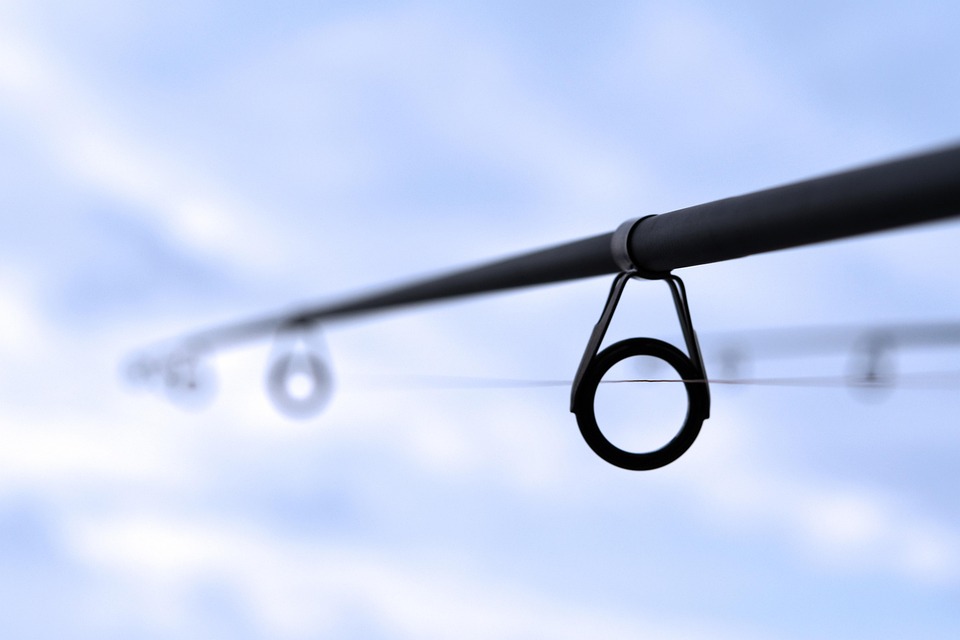
Selecting a rod and reel suited for offshore conditions is important. Heavy-duty trolling rods should be at least 6 to 7 feet long, capable of handling big game fish. As for reels, conventional or electromechanical reels offer the best performance, especially with larger fish.
2. Line
Braided line is popular for offshore trolling due to its sensitivity and strength. A 30- to 80-pound test line is typical, depending on the fish species targeted. Additionally, a fluorocarbon leader should be used for invisibility underwater, usually ranging between 20-100 pounds test.
3. Lures
Choosing the right lures can significantly influence your success. Common types include:
- Crankbaits: Mimic the motion of wounded fish.
- Soft Plastics: Versatile and can imitate a variety of prey.
- Skirted Lures: Ideal for targeting bigger game, these lures often feature colorful skirts that attract attention.
- Catch & Release Baits: Proven to be effective against species like dolphin and tuna.
Tips for Successful Offshore Trolling
1. Use a Proper Spread
Creating an effective spread can maximize your chances of catching fish. A typical setup includes multiple lines, typically set at varying distances and depths. Consider using a combination of flatlines, riggers, and teasers to ensure your lure penetrates various depths comfortably.
2. Pay Attention to Conditions
Fish behavior is heavily influenced by environmental conditions such as weather, tide, and water temperature. Always monitor the weather reports and analyze tidal charts to determine the best times to fish. Overcast days often favor a more aggressive approach, while bright, sunny conditions might require a more subtle presentation.
3. Keep a Log
Keeping a fishing log can be immensely helpful for future trips. Record details such as water temperature, wind conditions, lure types, and any notable catches. By analyzing this data, you can refine your techniques for improved success on subsequent trips.
Safety Considerations
Finally, safety should always be a priority when engaging in offshore trolling. Ensure your boat is equipped with essential safety gear, including life jackets, first aid kits, and navigational equipment. Always let someone know your plans before heading out, and be cautious of changing weather conditions. A well-prepared angler is a successful angler.
Conclusion
Offshore trolling is an exciting and rewarding way to engage with the ocean and its abundant game fish. Understanding the techniques, using the proper tackle, and implementing effective strategies can significantly enhance your fishing experience. Remember to respect the marine environment and practice sustainable fishing methods. Happy fishing and tight lines!
FAQs
1. What is the best time of year for offshore trolling?
The best time varies by location, but generally, spring and summer are peak seasons for offshore trolling due to warmer water temperatures. Additionally, migratory patterns of fish also dictate optimal fishing times, so research your local area for the specific species.
2. Do I need a fishing license for offshore trolling?
Yes, a fishing license is typically required for offshore trolling, depending on your state or country. Always check local regulations to ensure compliance.
3. How do I know where to find fish?
Use tools such as fish finders and GPS to identify underwater structures and schools of baitfish where predatory fish may be lurking. Additionally, local fishing reports and forums often provide valuable insights into fish locations.
4. Can I go offshore trolling from a small boat?
While it is possible to troll from a small boat, it’s essential to note that offshore waters can present challenges with waves, currents, and distance from shore. Ensure your vessel is suitable for the conditions and always prioritize safety.
5. How do I clean and store my catch?
Immediately bleed out and ice your catch to preserve freshness. Cleaning and filleting should be done as soon as possible after landing the fish. Proper storage methods include vacuum-sealing or using freezer wrap for long-term storage.
- advanced fishing techniques
- artificial bait fishing
- bait fishing
- boat fishing methods
- casting fishing
- deep sea fishing techniques
- drift fishing
- fishing knots techniques
- fishing methods
- fishing methods for beginners
- fishing rigs methods
- fishing strategy tips
- fishing techniques
- fly fishing techniques
- freshwater fishing techniques
- inshore trolling
- jigging fishing
- live bait fishing
- lure fishing methods
- modern fishing techniques
- offshore trolling
- popping fishing
- professional fishing methods
- saltwater fishing techniques
- shore fishing methods
- slow jigging
- spinning fishing
- topwater popping
- trolling fishing
- vertical jigging









Leave a comment