

















Tilapia, often referred to as the “aquatic chicken,” has become a popular fish for anglers and seafood enthusiasts alike. Found in warm waters across the globe, Tilapia provides a rewarding fishing experience for both novice and seasoned anglers. This guide lays out everything you need to know about tilapia fishing—from the best locations and times to fish, to effective techniques for ensuring the perfect catch.
Understanding Tilapia: The Basics
Tilapia belongs to several genera within the Cichlid family. Known for their mild flavor and flaky texture, they are not only sought after for personal consumption but are also significant in commercial aquaculture. There are several species of tilapia, but three key types dominate: Nile Tilapia, Blue Tilapia, and Mozambique Tilapia.
The Habitat of Tilapia
Tilapia is predominantly found in freshwater environments, including lakes, rivers, and ponds. They thrive in warm waters, typically between 75°F and 86°F, and can be found in shallow areas with abundant vegetation. Ideal habitats often include:
- Vegetated edges of lakes and rivers
- Shallow bays
- Marshy areas
- Aquaculture ponds
When to Fish for Tilapia
Timing your tilapia fishing excursion can significantly impact your success rate. Similar to many fish species, tilapia is more active during specific periods throughout the day and year.
Seasonal Considerations
Tilapia are generally more abundant and easier to catch during warmer months. In North America, spring through early fall is ideal. During these months, tilapia tends to spawn, making them more aggressive and easier to hook.
Best Time of Day
Though tilapia can be caught at any time, dawn and dusk are particularly fruitful periods for fishing. During these low-light hours, tilapia venture closer to the surface and become more active, increasing your chances of a successful catch.
Where to Fish for Tilapia
Knowing where to fish is just as critical as knowing when. Some of the best locations for tilapia fishing include:
Natural Lakes and Rivers
Many lakes and rivers have flourishing populations of tilapia. Pay attention to areas rich in underwater structures, such as rocks, fallen trees, or dense weed beds.
Aquaculture Ponds
In many regions, aquaculture ponds are stocked with tilapia for commercial purposes. Fishing in these areas can yield a good catch, but be sure to check local regulations regarding fishing in private ponds.
Public Fishing Areas
State-managed fishing lakes often have designated areas for tilapia fishing. These locations are regularly stocked and monitored, providing a reliable fishing experience. Research local regulations to find out about the best public spots in your region.
How to Catch Tilapia: The Techniques
Fishing for tilapia is not just about luck; employing the right techniques can dramatically improve your results. Here are some practical methods:
Fishing Gear Essentials
The right gear can make a world of difference when fishing for tilapia. Key components include:
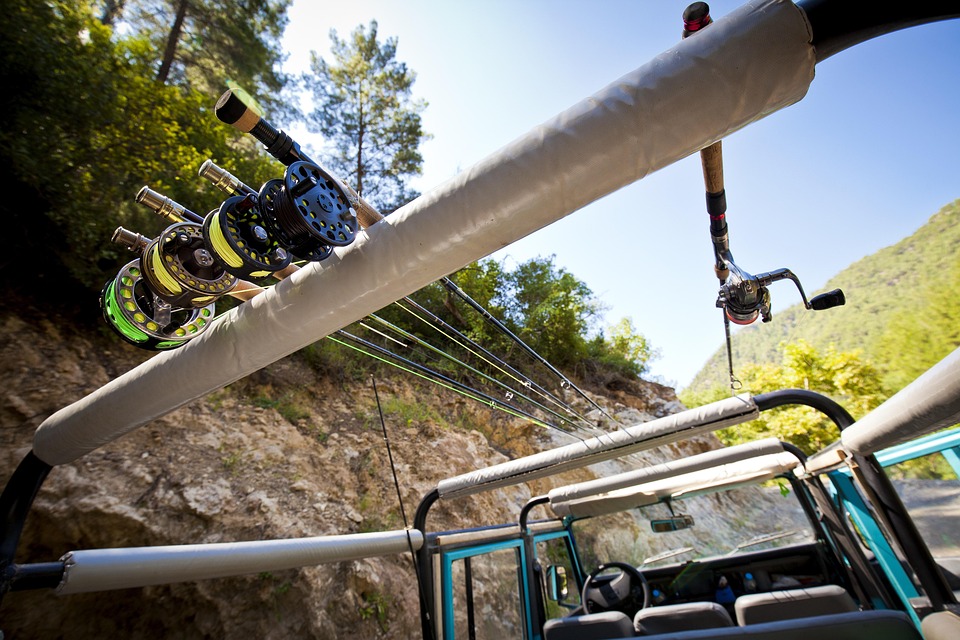
- Fishing Rod and Reel: A light or ultralight spinning rod with a matching reel is ideal for tilapia fishing.
- Line: Use 4-10 lb test monofilament or fluorocarbon line for better sensitivity.
- Hooks: Smaller hooks (size 6 to 10) are more suitable for tilapia.
- Floats: Use a bobber or float to detect bites effectively.
Bait Options
Tilapia are opportunistic feeders and will bite various bait types. Here are some of the most effective:
- Nightcrawlers: Simple and effective, worms are a universal bait for freshwater fish.
- Corn: Sweet corn kernels are surprisingly effective bait for tilapia.
- Artificial Lures: Small jigs and soft plastics can entice bites, especially in clear water.
- Homemade Dough Balls: Mixtures of flour, cornmeal, and cheese can create a good fishing bait.
Techniques to Consider
Bottom Fishing
Using a slip sinker rig allows your bait to settle close to the bottom where tilapia often feed. This technique works well in deeper waters or in lakes with plenty of vegetation.
Float Fishing
Using a bobber to suspend your bait above the bottom can catch tilapia that are feeding higher in the water column. Adjust the depth based on your findings and the fish’s activity level.
Site Fishing
If you locate tilapia spawning beds, you can use sight fishing techniques. Use finesse presentations to entice bites from fish that are often protective of their nests.
Conservation Considerations
While tilapia fishing can be an enjoyable hobby, it’s essential to consider conservation practices. Always follow local fishing regulations, including size and bag limits. Additionally, practicing catch and release can help maintain healthy fish populations for future generations.
Conclusion
Tilapia fishing is not only a way to enjoy the outdoors but also a means to sustainably harvest a productive fish species. By understanding where, when, and how to fish for tilapia, you can improve your chances of landing that perfect catch. Whether you’re new to fishing or a seasoned angler looking for a fresh challenge, tilapia offer a unique and rewarding experience.
Frequently Asked Questions
1. What are the best months to fish for tilapia?
The best months for tilapia fishing are generally from April to October, coinciding with the warmer seasons when tilapia are most active.
2. Can I catch tilapia in saltwater?
Tilapia are freshwater fish, but they can tolerate brackish water for short periods. Generally, they are found in freshwater lakes, rivers, and ponds.
3. What size fishing rod is best for tilapia?
A light or ultralight spinning rod, typically around 6-7 feet, is ideal for tilapia fishing, as it allows for better sensitivity and control.
4. Do tilapia have a specific spawning period?
Tilapia usually spawn during the warm months, particularly in the spring and summer, when water temperatures rise, leading to increased activity.
5. Is fishing for tilapia sustainable?
Fishing for tilapia can be sustainable when adhering to local fishing regulations, including size and bag limits, and employing catch-and-release practices.
- bass fishing
- Bluegill Fishing
- carp fishing
- catfish fishing
- Crappie Fishing
- freshwater angling
- freshwater bait fishing
- freshwater fishing
- freshwater fishing gear
- freshwater fishing guides
- freshwater fishing species
- freshwater fishing techniques
- freshwater fishing tips
- freshwater fly fishing
- freshwater spinning fishing
- inland fishing
- lake fishing
- lakes fishing
- largemouth bass fishing
- muskie fishing
- panfish fishing
- Perch Fishing
- pike fishing
- pond fishing
- reservoir fishing
- reservoirs fishing
- river fishing
- rivers fishing
- Salmon Fishing
- smallmouth bass fishing
- stream fishing
- Tilapia Fishing
- Trout Fishing
- Walleye Fishing










Leave a comment