







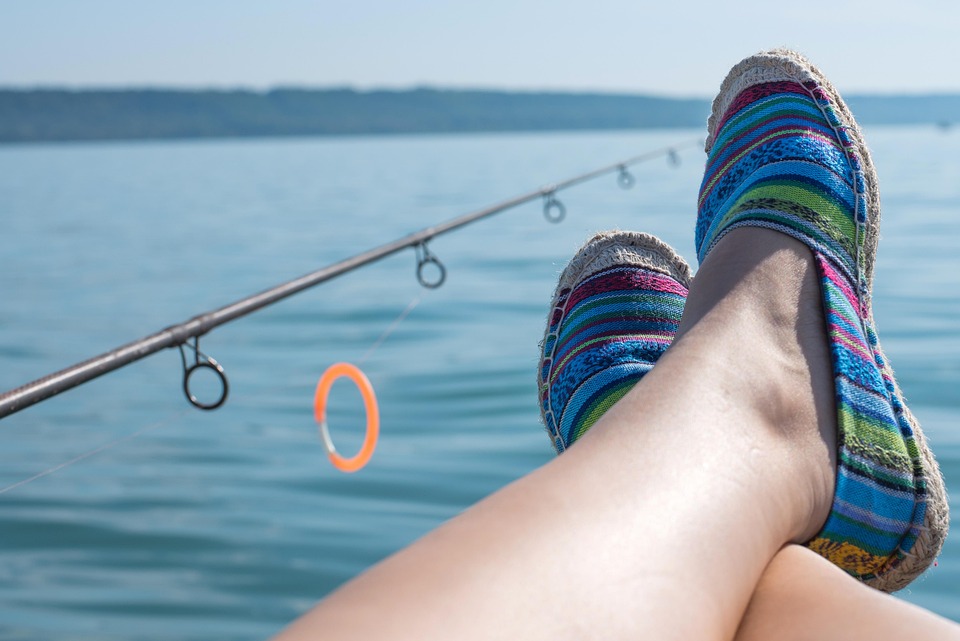


Offshore fishing is more than just a sport; it’s an adventure that takes anglers into the vast blue expanses of the ocean, pursuing some of the largest and most elusive creatures that swim beneath the waves. From the adrenaline rush of a line screaming off the reel to the thrill of reeling in massive fish, chasing giants has become a passion for fishing enthusiasts worldwide. This article aims to provide a thorough guide to offshore fishing adventures, examining techniques, gear, locations, and the ultimate thrill of catching giant fish.
The Allure of Offshore Fishing
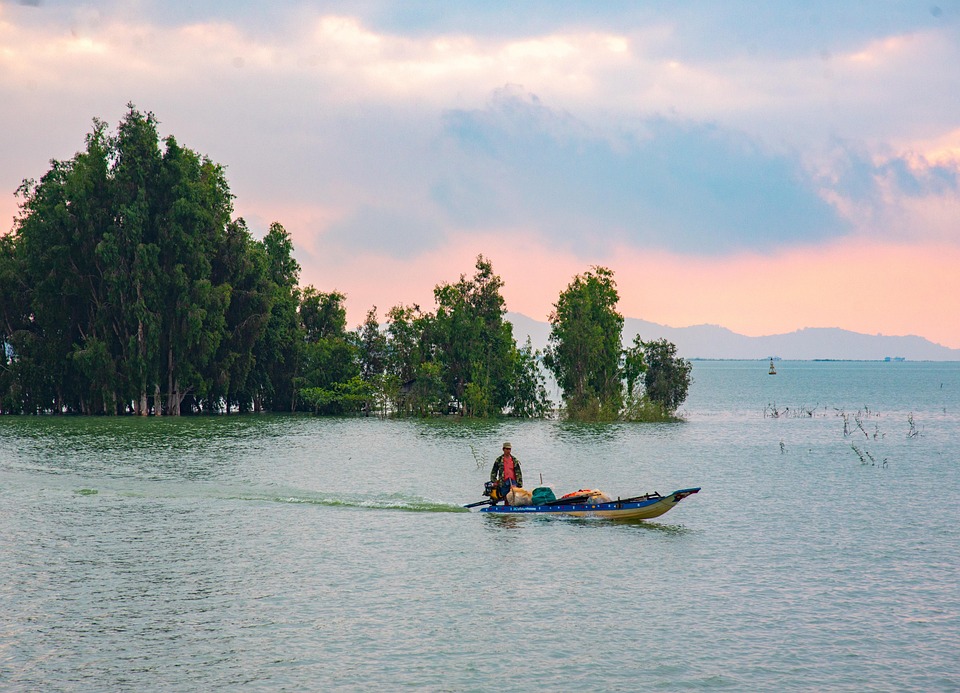
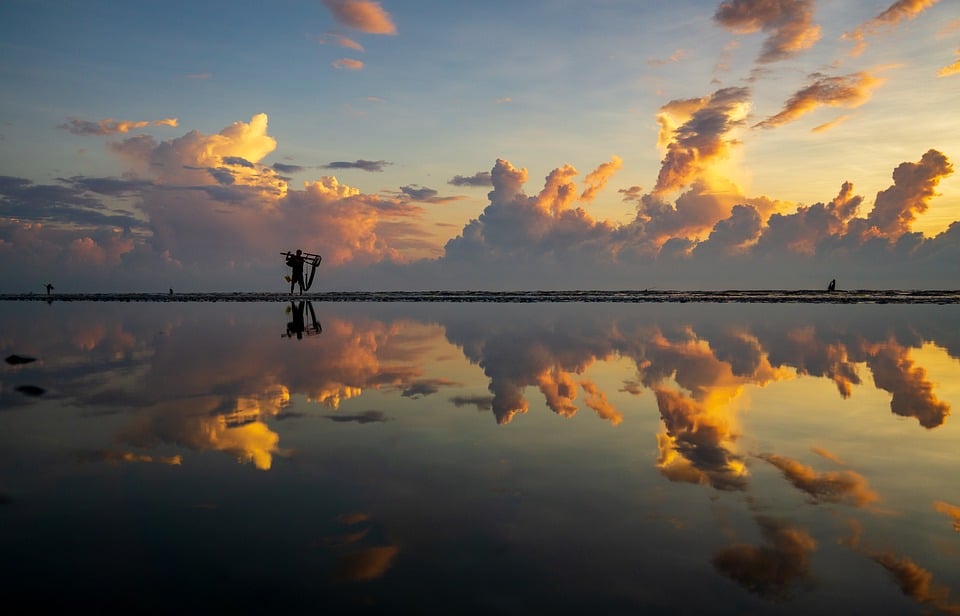
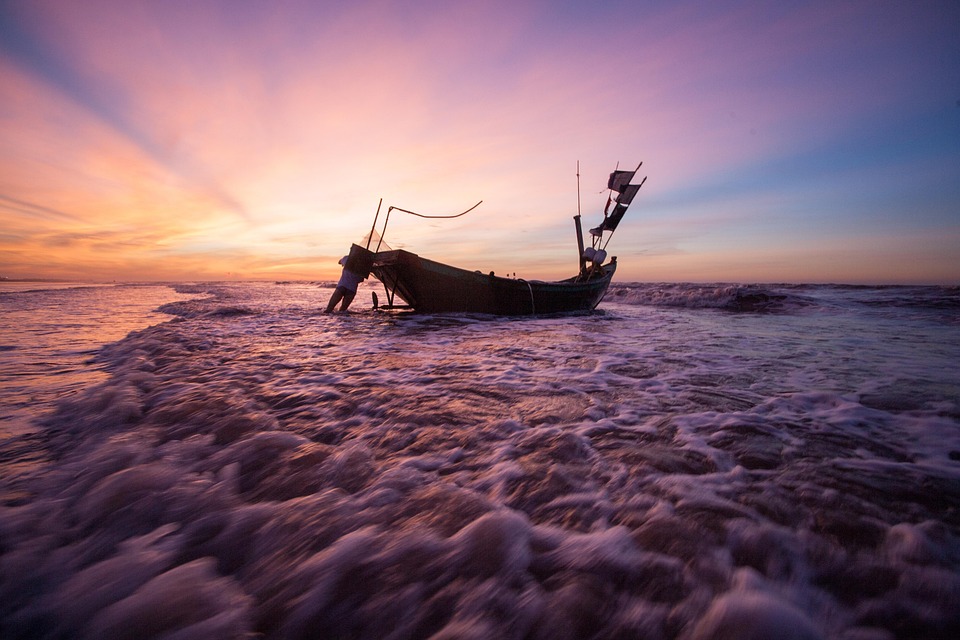
Imagine setting out before dawn, the horizon touched with hues of orange and pink, and the engine of your boat purring softly as it cuts through the water. Offshore fishing presents a sense of freedom and excitement, transporting you beyond the confines of shores and into the heart of nature’s wild. Here, you’ll encounter species that wouldn’t normally venture close to land, making each trip a chance to hook magnificent giants such as tuna, marlin, and swordfish.
Essential Gear for Offshore Fishing
Fishing Rods and Reels
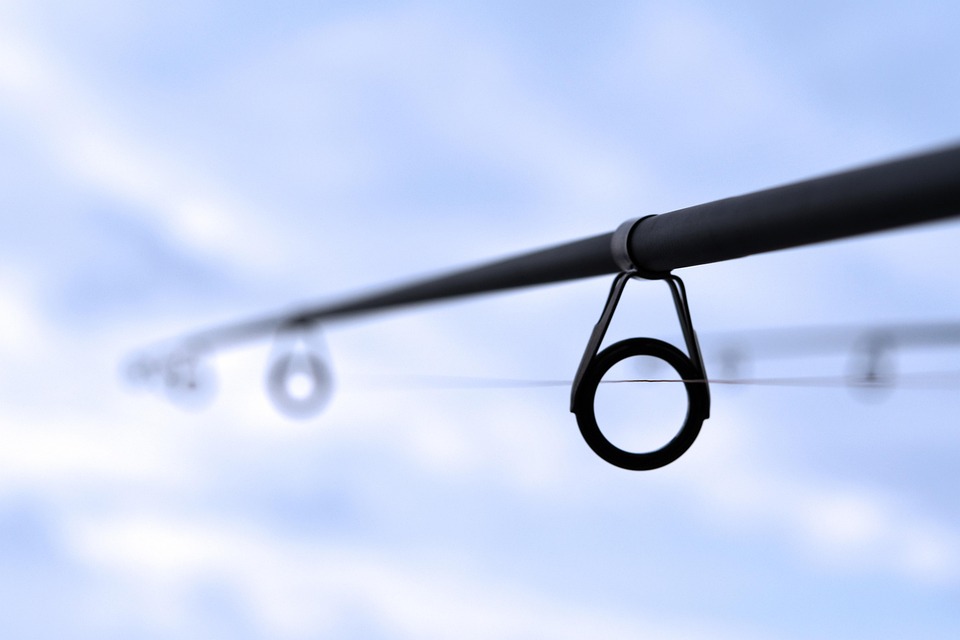
Your choice of rod and reel can significantly impact your success in offshore fishing. Generally, you’ll want a rod that is around 6–7 feet long for conventional fishing, with heavy action to handle larger fish. Offshore fishing reels should have a high line capacity and sufficient drag to withstand the strong runs of big fish. Look for saltwater-rated gear due to the corrosive nature of seawater.
Fishing Line and Lures
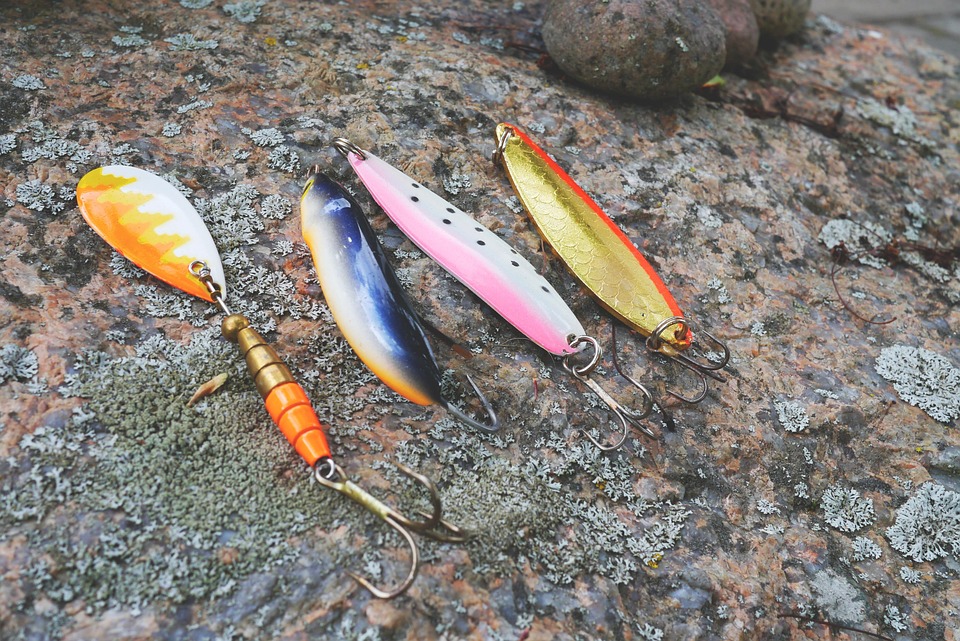
When it comes to fishing line, a thicker line (30-80 lb test) is essential for targeting giants. Braided lines provide higher strength for less diameter, which can be advantageous. Lures can vary based on what you’re targeting. For instance, trolling lures or live bait are great options for marlin and tuna. Identifying the right kind of bait for your target can make all the difference.
Safety Gear
Your safety is paramount when fishing offshore. Always equip your boat with life jackets, first-aid kits, and a reliable communication device. Weather conditions can change rapidly, so having an emergency kit and knowledge of navigation are crucial.
Top Offshore Fishing Locations
1. Florida Keys, US
The Florida Keys are famous for their diverse marine life, making them a premier spot for offshore adventures. Species like mahi-mahi, tuna, and sailfish thrive in these waters. The mix of coral reefs and deep-sea is a recipe for an unforgettable experience.
2. Cape Town, South Africa
Cape Town offers adventurers access to nutrient-rich waters that are perfect for catching the majestic great white shark and yellowfin tuna. Anglers can enjoy both the thrill of catching giants and the stunning backdrops of table mountain.
3. Cairns, Australia
Known as one of the world’s premier black marlin hotspots, Cairns is a must-visit for serious anglers. Here, the season starts in September and runs through December, and the chance of hooking a giant black marlin is a fisherman’s dream.
Techniques for Catching Giants
Trolling
Trolling is one of the most effective methods for offshore fishing, especially when targeting big game species. It involves dragging lures or baited hooks behind a moving boat. Maintaining the right speed and choosing the correct lures can maximize your catch rate.
Bottom Fishing
For species like grouper and snapper, bottom fishing is the go-to technique. This method involves dropping bait to the ocean floor and waiting for bites. Anchor your boat and ensure you know your fishing spots well for successful catches.
Live Bait Fishing
Using live bait can significantly increase your chances of attracting larger fish. Common live baits include small tuna or squid. Ensure your bait is healthy and properly rigged to avoid becoming easy prey themselves.
The Thrill of the Catch
Beyond the preparation and techniques, there’s an indescribable thrill that accompanies the moment a giant fish strikes. Anglers often speak of the fight—the tugging resistance, the suspense, and the adrenaline as they wrestle with their catch. Experienced anglers often recommend capturing this moment with photographs, but remember to practice catch and release for sustainability when possible.
Conservation in Offshore Fishing
The incredibly vast oceans are home to numerous species that are facing threats due to overfishing and environmental changes. As responsible anglers, it’s essential to prioritize conservation efforts. Utilizing sustainable fishing methods, respecting seasonal regulations, and adhering to catch limits are ways to ensure that future generations can enjoy these thrilling offshore adventures.
Conclusion
Offshore fishing is a unique combination of thrill, adventure, and a connection to nature. The pursuit of giant fish provides stories that last a lifetime and a camaraderie that transcends age and geography among anglers. Whether you’re a novice or a seasoned pro, chasing giants offers both challenges and rewards. With the right gear, techniques, and respect for the ocean, your offshore fishing adventure can be one of the most exhilarating experiences yet.
Frequently Asked Questions (FAQs)
1. What is the best time of year for offshore fishing?
The best time for offshore fishing largely depends on your location and the species you’re targeting. Generally, spring through late fall is prime time for many big game fish, but it can vary by region.
2. Do I need a fishing license for offshore fishing?
Yes, most regions require anglers to have a fishing license, especially for offshore fishing. Regulations vary by country and state, so it’s important to check the local rules.
3. What is the difference between inshore and offshore fishing?
Inshore fishing occurs in shallow waters, typically within a few miles of the coast, targeting smaller species. Offshore fishing ventures into deeper waters, often further from land, targeting larger species.
4. Can I go offshore fishing without a boat?
While having a boat is ideal for offshore fishing, you may find charter services that provide guided fishing experiences without needing to own your own vessel.
5. How can I contribute to marine conservation while fishing?
Participating in catch and release programs, using sustainable fishing practices, and supporting local conservation efforts are effective ways to contribute to marine health.
- big game angling
- big game fishing
- big game fishing baits
- big game fishing destinations
- big game fishing gear
- big game fishing guides
- big game fishing lures
- big game fishing reels
- big game fishing rods
- big game fishing tactics
- big game fishing techniques
- big game fishing trips
- bluewater fishing
- deep ocean fishing
- deep sea fishing
- giant trevally fishing
- kingfish fishing
- mahi mahi fishing
- marlin fishing
- monster fish fishing
- offshore fishing
- offshore trolling
- pelagic fishing
- sailfish fishing
- shark fishing
- sportfishing offshore
- swordfish fishing
- trophy fishing
- tuna fishing
- wahoo fishing









Leave a comment