













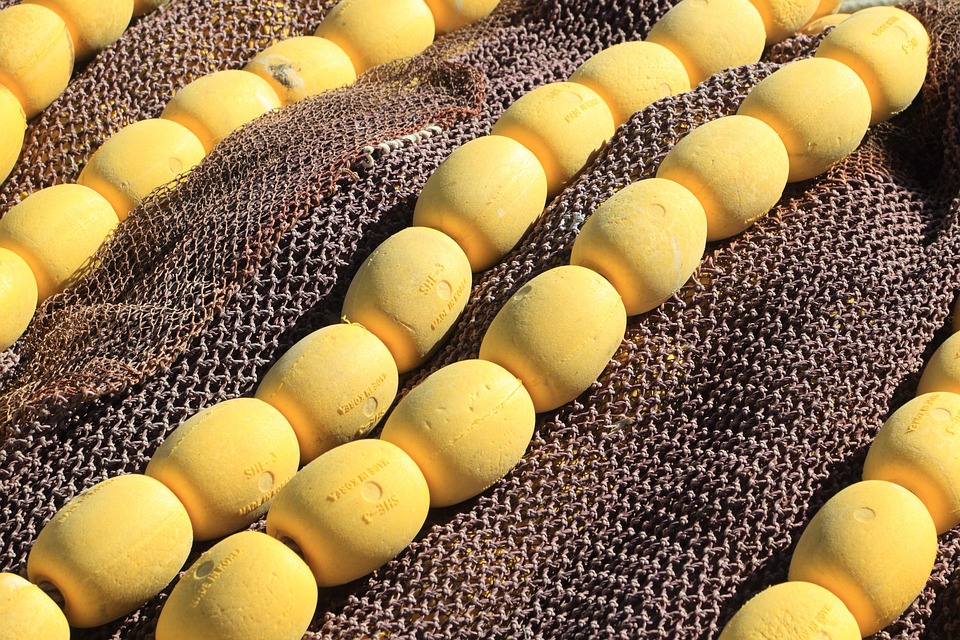
Perch fishing is an engaging and rewarding activity that attracts anglers of all skill levels. Known for their striking colors and delicious taste, perch are a popular target for both novice and seasoned fishers. However, just like any other outdoor activity, a successful perch fishing trip requires the right gear and equipment. In this article, we will explore the essential equipment you’ll need to ensure a successful and enjoyable perch fishing experience.
The Fishing Rod and Reel
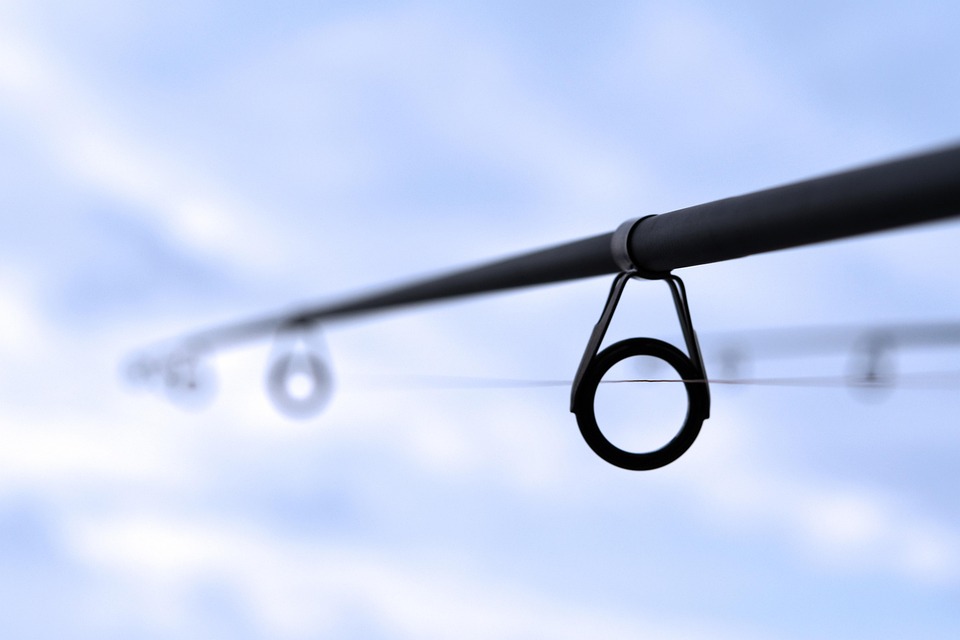
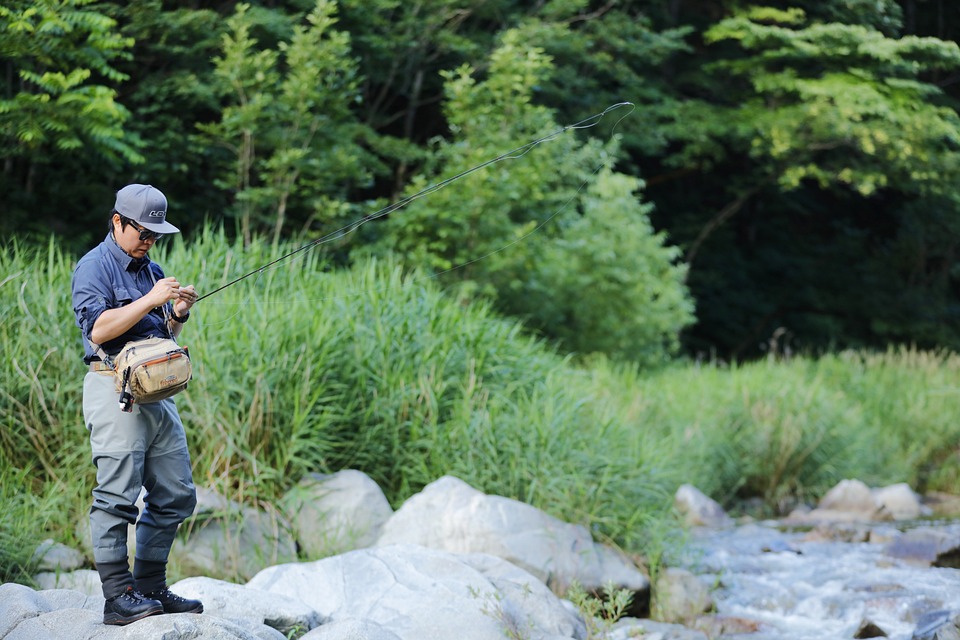
At the heart of any fishing expedition is the rod and reel. For perch fishing, it’s crucial to select the right combination that offers both sensitivity and strength.
Rod Selection
- Length: A rod that is 6 to 7 feet long is ideal for perch fishing. It offers enough leverage and reach without becoming unwieldy.
- Material: Graphite rods are preferred for their light weight and sensitivity, while fiberglass rods offer durability and stability.
- Power and Action: A light to medium-light power rod with fast action is perfect for detecting subtle bites from perch.
Reel Selection
- Size: A spinning reel in the 1000 to 2500 size range is recommended for perch fishing.
- Gear Ratio: A gear ratio of 5:1 to 6:1 works well for retrieving small jigs and lures quickly.
- Drag System: An adjustable drag system is essential for managing the fight when a perch is hooked.
Fishing Line
The fishing line you choose can significantly affect your success rate. For perch fishing, the right line can make all the difference.
- Type: Monofilament line is often recommended for beginners due to its ease of use. However, braided line offers greater sensitivity and strength.
- Test Weight: A line with a test weight of 4 to 10 pounds is typically sufficient for perch fishing.
- Color: Fluorescent lines can help you see bites in low visibility conditions, while green or brown lines blend better with natural surroundings.
Baits and Lures
Choosing the right bait is crucial for attracting perch. Whether you prefer live bait or lures, having the right selection on hand is key.
Live Baits
- Worms: Nightcrawlers and red wigglers are effective at drawing in perch.
- minnows: Small minnows like shiners can also be incredibly successful.
- Crickets and waxworms: These can be excellent choices, particularly in warmer months.
Artificial Lures
- Jigs: Small jigs in bright colors (yellow, chartreuse, pink) can be very enticing.
- Spinnerbaits: These can mimic the movement of small baitfish, making them an effective choice.
- Soft Plastics: Plastic grubs and worms can also be very effective when rigged correctly.
Terminal Tackle
Your terminal tackle refers to the components that connect your line to the bait or lure. Having a well-stocked terminal tackle box can make all the difference.
- Hooks: Use size 6 to 10 hooks for panfish, including perch.
- Sinkers: Split shot sinkers and sliding sinkers can help keep your bait at the correct depth.
- Swivels and Snap Swivels: These are essential to prevent line twisting and facilitate quick lure changes.
Additional Fishing Gear
Aside from the essentials, there are additional items worth considering for a successful perch fishing trip.
Fishing Tackle Box
A fishing tackle box is essential for organizing your gear. Choose a box that has multiple compartments to separate lures, baits, and terminal tackle.
Fishing Net
Having a landing net can help you bring in larger perch without risking injury to the fish or damaging your gear.
Sunscreen and Insect Repellent
When spending hours outdoors, it’s important to protect your skin from harmful UV rays and pesky insects.
Life Jacket
If you’re fishing from a boat, a life jacket is mandatory for safety. Always prioritize safety while enjoying your time on the water.
Fishing License
Before hitting the water, ensure you have the appropriate fishing license for your state. Regulations can vary and it’s important to follow local laws to protect fish populations.
Choosing the Right Time and Location
While having the right gear is vital, understanding the timing and location of your fishing trip can exponentially increase your chances of success.
Best Time to Fish
- Season: Spring and fall are generally the best seasons for perch fishing as they are more active during these times.
- Time of Day: Early morning and late afternoon are often the most productive times for catching perch.
- Weather Conditions: Overcast days can be particularly good as perch tend to be more active with lower light levels.
Location Selection
- Structure: Look for areas with structure such as submerged rocks, weed beds, or drop-offs where perch tend to gather.
- Shallow Waters: During warmer months, perch often move into shallow waters to feed.
- Nearby Fisheries: Some lakes and rivers are known for their sizable perch populations. Research local reports to find the best spots.
Conclusion
Preparation is key to a successful perch fishing trip. By investing in the right gear, from your fishing rod and reel to your choice of bait, you’re setting yourself up for a productive day on the water. Additionally, considering the timing and location of your fishing trip will further enhance your chances of reeling in the big one. Your fishing experience will not only be more enjoyable but also more fruitful with a well-considered selection of essential equipment. Remember, a day spent fishing is a day well spent, so gear up and get ready to embrace the thrill of the catch.
FAQs
What type of rod is best for perch fishing?
A 6 to 7-foot light or medium-light spinning rod is ideal for perch fishing, as it provides the sensitivity needed to detect bites.
What bait works best for catching perch?
Live bait such as worms and minnows, as well as artificial lures like jigs and soft plastics, are effective for catching perch.
When is the best time to catch perch?
Spring and fall are generally the best seasons, with early morning and late afternoon being the most productive times of day.
Do I need a fishing license to fish for perch?
Yes, in most locations you will need a valid fishing license. Always check local regulations before fishing.
Is perch fishing kid-friendly?
Absolutely! Perch fishing is a great way to introduce kids to fishing, as perch are relatively easy to catch and provide engaging action.
- bass fishing
- Bluegill Fishing
- carp fishing
- catfish fishing
- Crappie Fishing
- freshwater angling
- freshwater bait fishing
- freshwater fishing
- freshwater fishing gear
- freshwater fishing guides
- freshwater fishing species
- freshwater fishing techniques
- freshwater fishing tips
- freshwater fly fishing
- freshwater spinning fishing
- inland fishing
- lake fishing
- lakes fishing
- largemouth bass fishing
- muskie fishing
- panfish fishing
- Perch Fishing
- pike fishing
- pond fishing
- reservoir fishing
- reservoirs fishing
- river fishing
- rivers fishing
- Salmon Fishing
- smallmouth bass fishing
- stream fishing
- Tilapia Fishing
- Trout Fishing
- Walleye Fishing










Leave a comment