














In the vast expanse of the world’s oceans, tuna reigns as one of the most sought-after fish. Renowned for its rich flavor and nutritional benefits, tuna is an essential ingredient in many cuisines worldwide. However, the popularity of tuna has also brought about significant challenges regarding sustainable fishing practices. This article will explore the intricate balance between tradition and innovation in the world of tuna fishing, shedding light on the art and science that contribute to sustainable fishing practices.
The Tuna Fishery Landscape
Tuna fishing is not merely a commercial venture; it is a complex industry comprising various species, regions, and fishing methods. The global tuna market is primarily dominated by three main species: Bluefin, Yellowfin, and Albacore. Among these, Bluefin tuna is the most coveted due to its high fat content and substantial price, often fetching thousands of dollars at auction.
The value of the tuna fishery is estimated to be around $42 billion globally. However, this financial boon comes at a cost, and the sustainability of tuna populations has become a pressing concern. According to the Food and Agriculture Organization (FAO), many tuna species are overfished or fished at unsustainable levels.
Understanding Overfishing
Overfishing occurs when fish are harvested from a stock faster than they can reproduce. Several factors contribute to this alarming trend in tuna fishing:
- Demand Surges: The growing demand for sushi and sashimi has driven international markets to seek out tuna relentlessly.
- Inefficient Regulations: Inconsistent regulations across countries and inadequate enforcement exacerbate the problem.
- Bycatch Issues: Destructive fishing techniques lead to the unintentional capture of non-target species, depleting biodiversity.
The Art of Fishing
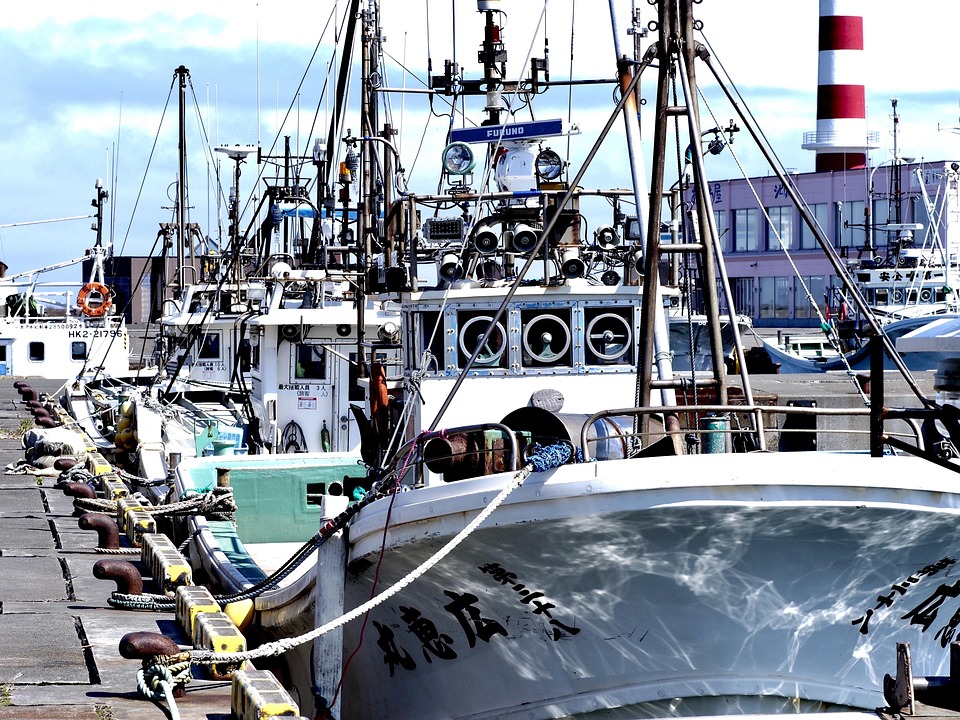
Despite the challenges, the art of tuna fishing remains a deeply rooted tradition in many cultures. Fishermen have employed various methods throughout history, each with its unique flair and respect for the ocean. The following methods are noteworthy:
Longlining
This traditional technique uses a long line with numerous baited hooks. While effective, longlining can lead to significant bycatch, prompting efforts to refine this method for sustainability.
Purse Seining
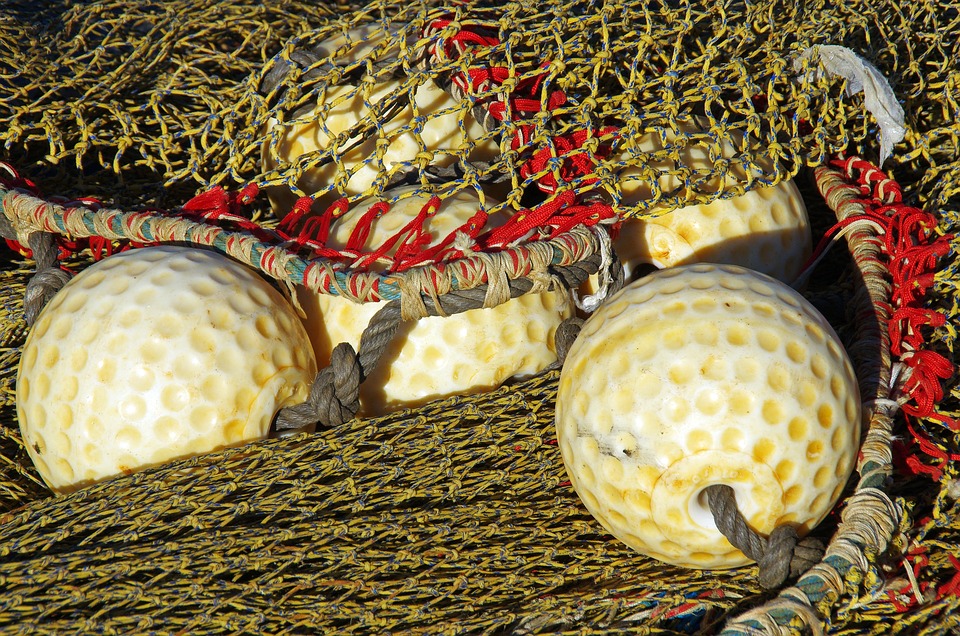
Involves encircling a school of fish with a net and closing it from the bottom. While this method captures significant amounts of tuna, it can also inadvertently catch other marine life. Innovations such as eco-friendly nets are being explored to reduce bycatch.
Pole and Line
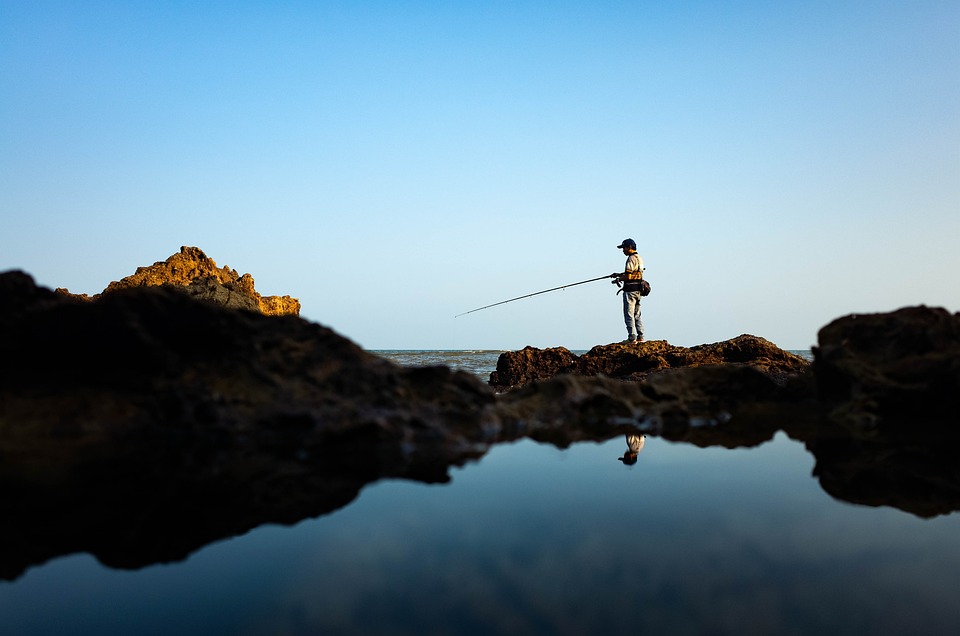
Considered one of the most sustainable methods, pole and line fishing relies on a more manual approach. Fishermen use poles and bait to catch fish one at a time, minimizing harm to other species and ensuring healthier fish stocks.
The Science of Sustainability
Sustainable fishing practices have gained traction as scientists and environmentalists work hand in hand with fishermen. Organizations like the Marine Stewardship Council (MSC) are at the forefront of promoting responsible fishing. They provide certifications to fisheries that meet strict sustainability criteria, encouraging consumers to opt for sustainably sourced tuna.
Technology and Fisheries Management
Advancements in technology are revolutionizing the way tuna is fished and monitored. Some key innovations include:
- Electronic Monitoring Systems: Cameras and sensors on fishing vessels can monitor catches and bycatch levels, ensuring compliance with regulations.
- Tracking Technologies: GPS and satellite tracking enable scientists to study tuna migration patterns, informing better management practices.
- Data Analysis: Big data analytics helps assess fish populations and ecosystem health, guiding policymakers in making informed decisions.
The Role of Consumers
Consumers play an equally vital role in promoting sustainable fishing practices. Awareness is key; recognizing what sustainably sourced tuna looks like empowers individuals to make informed choices. Here are some tips for responsible tuna consumption:
- Look for certifications, such as the MSC label, which indicates sustainable sourcing.
- Research local fisheries and support those that practice sustainable methods.
- Choose species that are not threatened or overfished, like skipjack or albacore, over the more endangered Bluefin.
Case Study: The Success Story of the Atlantic Bluefin Tuna
A glimmer of hope shines through the conservation efforts focused on the Atlantic Bluefin tuna. Once near extinction due to overfishing, collaborative initiatives among governments, NGOs, and fishermen are beginning to show positive outcomes. The International Commission for the Conservation of Atlantic Tunas (ICCAT) has implemented robust management measures, including:
- Implementing catch quotas to limit fishing.
- Establishing seasonal and spatial closures to allow populations to recover.
- Conducting assessments to monitor stock health regularly.
The Future of Tuna Fishing
The journey towards sustainable tuna fisheries is ongoing, and while challenges persist, much progress has been made. The integration of science, traditional knowledge, and technology offers a pathway forward. However, collective action is essential—governments, communities, scientists, and consumers must work together to foster a sustainable future for this vital resource.
Conclusion
Tuna fishing encapsulates the delicate balance between tradition and innovation. As demand continues to rise, the fishing industry faces pressure to evolve and adapt sustainable practices. The art of fishing must be supplemented by scientific understanding and technology to ensure the longevity of tuna populations. Ultimately, through the combined efforts of fishermen, scientists, regulators, and consumers, a sustainable future for tuna fishing can be achieved, preserving the beauty and biodiversity of our oceans.
FAQs
1. What are the most sustainable tuna species to consume?
Skipjack and albacore tuna are generally considered more sustainable options compared to Bluefin tuna, which is often overfished.
2. How can I support sustainable fishing practices?
Support certifications like the Marine Stewardship Council (MSC) label, choose sustainably caught fish, and advocate for local fisheries that practice responsible fishing methods.
3. What are the main threats to tuna populations?
Overfishing, bycatch from indiscriminate fishing methods, habitat destruction, and climate change significantly threaten tuna populations.
4. How does overfishing affect the ecosystem?
Overfishing disrupts the food chain, negatively affecting marine ecosystems and biodiversity. It can lead to the decline of other species and destabilize ocean health.
5. Are there any fishing regulations for tuna?
Regulations vary by region and species but often include catch limits, size limits, and seasonal closures to protect fish stocks during critical spawning periods.
- barracuda fishing
- beach fishing
- big game fishing
- bluewater fishing
- boat fishing
- coastal fishing
- deep ocean fishing
- deep sea fishing
- drift fishing
- grouper fishing
- jigging fishing
- kingfish fishing
- mahi mahi fishing
- marlin fishing
- ocean fishing
- offshore fishing
- pier fishing
- reef fishing
- sailfish fishing
- saltwater angling
- saltwater fishing
- saltwater fishing guides
- shark fishing
- shore fishing
- snapper fishing
- sport fishing
- surf fishing
- trolling fishing
- tuna fishing








Leave a comment