
















Carp fishing is not merely a pastime; it’s a passion shared by thousands around the world. The thrill of reeling in a sizable catch, the serenity of lakeside landscapes, and the camaraderie among anglers elevate this sport to a unique realm. Whether you’re a novice angler or a seasoned pro, mastering the intricacies of carp fishing can significantly enhance your experience and success. In this comprehensive guide, we will delve into essential tips, techniques, and strategies to help you become a more proficient carp angler.
Understanding the Carp
Before embarking on your fishing journey, it’s crucial to understand the species you’re targeting. Carp, often seen as a nuisance species in some areas, are highly regarded in the fishing community for their size, strength, and intelligence.
There are various species of carp, with the Common Carp and the Mirror Carp being the most prevalent in angling. Understanding their habitat, feeding habits, and seasonal behaviors can provide you with significant advantages. Carp are opportunistic feeders, often grazing in shallow waters during warmer months and seeking deeper areas in colder seasons.
Essential Gear and Tackle
Choosing the right gear is fundamental to a successful carp fishing experience. Below are some essential items you should consider:
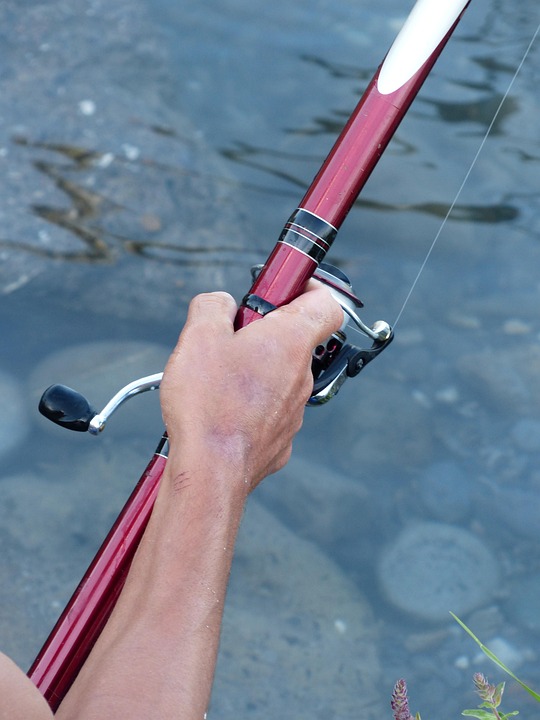
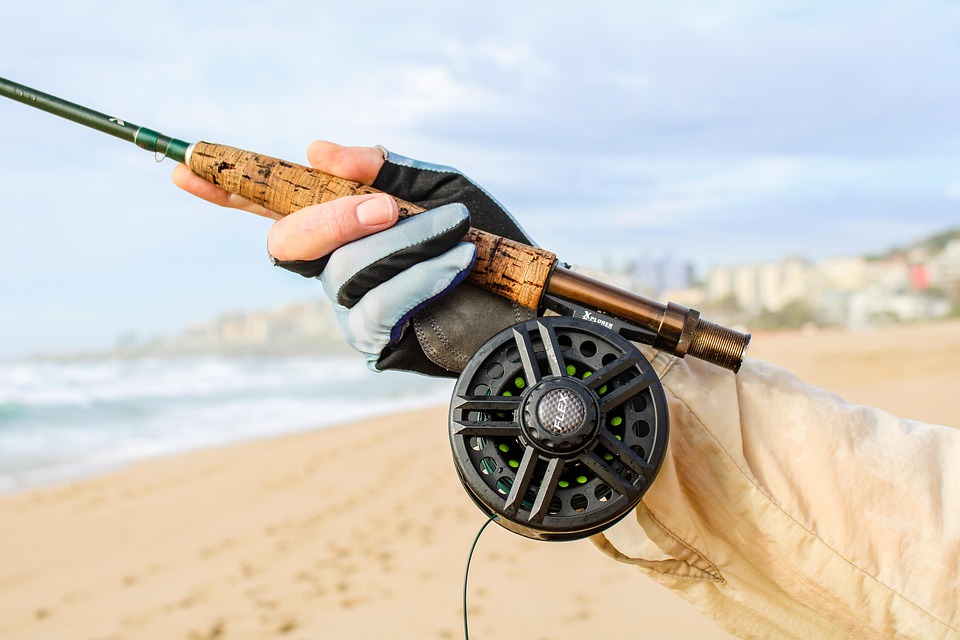
- Rod and Reel: A medium to heavy-action rod, often between 10-13 feet in length, is ideal for casting distance. Pair it with a sturdy reel that has a good drag system to withstand the fight.
- Line: Use braided line generally rated at least 15lb test for added strength and durability.
- Hooks: Opt for strong, reliable hooks sized 4 to 8. Barbless hooks are often recommended for sustainability.
- Swivels and Leads: Inline leads are preferred for their streamlined design, and high-quality swivels will help prevent line twists.
Bait Selection: The Key to Attracting Carp
Your choice of bait can make or break your carp fishing success. Understanding what carp naturally feed on and finding the right bait for the conditions can significantly enhance your catch rates. Here are some popular bait options:
- Boilies: These are perhaps the most popular bait among carp anglers. Boilies come in various flavors and sizes. Aiming for bait that mimics natural food sources, such as fish meal or fruity scents, can be advantageous.
- Sweetcorn: An affordable and effective bait, sweetcorn can be used on its own or as part of a mixed bait approach.
- Pellets: Carp pellets can be used for both baiting and feeding. They dissolve in water and release enticing odors.
- Natural Baits: Bread, dough balls, and even nuts can be effective. Experimenting with natural baits can yield excellent results.
Techniques for Success
Having the right gear and bait is only part of the equation. Your fishing technique is equally important. Here are some techniques to consider:
1. Method Feeder Fishing
This popular technique involves using a feeder that releases bait slowly while casting. It works well in still waters, attracting carp toward your hook bait.
2. Surface Fishing
Targeting carp as they feed on the surface can be exhilarating. Use buoyant baits like bread crust or specialized surface pop-ups to entice them.
3. Hair Rigging
A hair rig places the bait on a short length of line next to the hook. This method allows carp to suck the bait in without feeling the weight of the hook immediately, thus improving hook-up rates.
4. Chumming
Constantly introducing bait into the water can create a feeding frenzy and draw more carp into your area. This involves throwing small amounts of bait at regular intervals.
Location, Location, Location
Understanding where to fish is crucial for success. Carp tend to favor specific habitats:
- Weeds and Rushes: Carp love to feed in weedy areas as they provide cover and natural food sources.
- Rocks and Structure: Look for submerged structures where carp may be hiding.
- Shallow Margins: In warmer months, carp are more likely to be found in shallower water. Observe the temperature and light levels in different areas.
Time of Day and Weather Conditions
Understanding the best times to fish can drastically improve your success rate. Carp are generally most active during dawn and dusk. However, variations in weather can impact their feeding behavior:
- Cold Fronts: Carp may become sluggish. In these conditions, patience and persistence are key.
- Windy Days: Wind can create surface disturbance, making carp less wary and more likely to feed.
Patience and Persistence
Lastly, one of the most essential qualities an angler can exhibit is patience. Carp fishing often requires extended periods of waiting. Engaging in the environment, adjusting your technique, and maintaining a positive mindset can enhance your overall experience.
Conclusion
Mastering the art of carp fishing involves more than just baiting a hook and casting a line. It requires an understanding of the fish, the right gear, the best techniques, and, most importantly, a connection with nature. Embrace the journey with patience and a willingness to learn, and you’ll find that the experience is just as rewarding as the catch itself. With the right knowledge and a few strategies under your belt, you’ll be well on your way to becoming an accomplished carp angler.
FAQs
What is the best time of year for carp fishing?
The best time for carp fishing is typically during the spring and summer months when water temperatures are warmer, and carp are more active.
How do I know what bait to use?
The best bait will depend on local carp feeding habits. Experimenting with different types of baits, such as boilies, corn, and pellets, will help you identify what works best in your targeted waters.
Where should I fish for carp?
Look for locations with underwater structures, shallow margins, and areas with plenty of natural food sources. Weedy areas can often provide rewarding results.
What tackle should I use?
A medium to heavy-action rod paired with a strong reel and a good quality braided line, hooks, and leads is ideal for carp fishing. Gear choice can also vary based on the fishing environment.
Is carp fishing suitable for beginners?
Absolutely! Carp fishing can be a great starting point for those new to angling, as carp are plentiful and can be caught with a range of tackle and bait.
- big carp fishing
- carp angling
- carp boilies
- carp feeder fishing
- carp fishing
- carp fishing bait
- carp fishing destinations
- carp fishing gear
- carp fishing guides
- carp fishing holidays
- carp fishing lakes
- carp fishing methods
- carp fishing reels
- carp fishing rigs
- carp fishing rods
- carp fishing techniques
- carp fishing tips
- carp groundbait
- carp hair rig
- carp pellets
- European carp fishing
- France carp fishing
- margin carp fishing
- method feeder carp fishing
- monster carp fishing
- river carp fishing
- Spain carp fishing
- stalking carp
- trophy carp fishing
- UK carp fishing









Leave a comment