













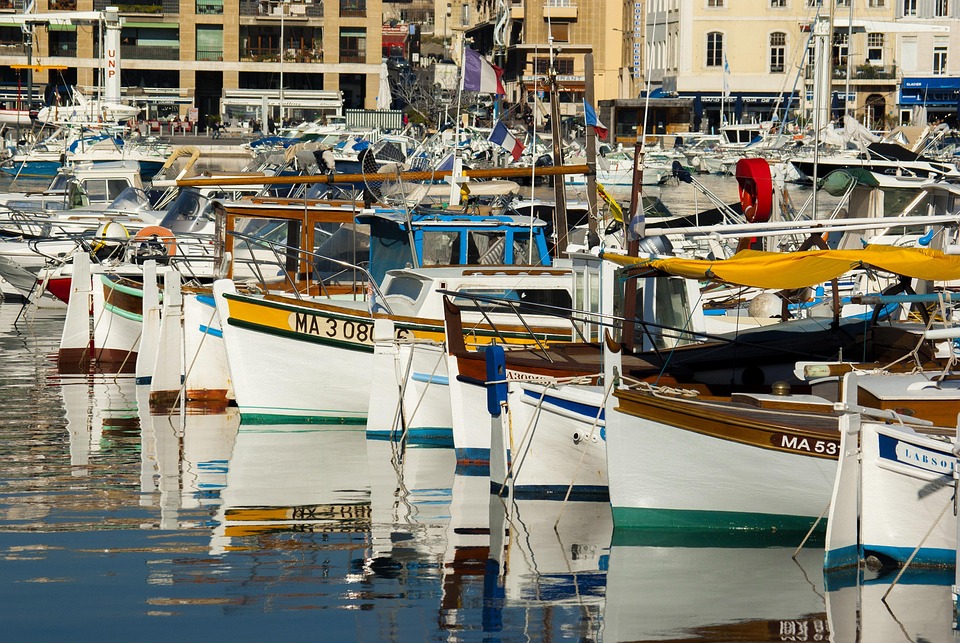
For many, fishing is more than just a pastime; it’s a ritual steeped in tradition, excitement, and an indescribable thrill. Among the numerous species that lure anglers to waters across the continent, the catfish stands out as a favorite among both casual and competitive fishers. The hunt for trophy catfish represents a unique blend of skill and patience, creating narratives worthy of the rippling waters they inhabit.
The Allure of Catfish
Catfish are diverse and adaptable, thriving in various freshwater environments ranging from lakes and rivers to reservoirs. Their adaptability has earned them significant popularity among anglers. Not only can they grow to impressive sizes, but they also present a challenge that keeps enthusiasts returning time and time again.
Species such as the channel catfish, blue catfish, and flathead catfish inhabit North America, each providing its unique challenges. The blue catfish, in particular, is revered for its sheer size, with individuals weighing over 100 pounds being caught regularly in some regions.
Understanding Different Species
Each species of catfish has distinct behavioral patterns and preferred environments. Understanding these is critical for successful trophy fishing.
- Channel Catfish: Recognizable by their forked tail and deeply forked dorsal fin, channel catfish are often found in rivers and lakes with ample cover. They are known for their fighting spirit once hooked.
- Blue Catfish: The largest of the catfish species, blue catfish can grow up to 150 pounds. They thrive in deep waters and are often found in the rivers of the Mississippi basin.
- Flathead Catfish: Flatheads, distinguished by their flat heads and prominent whiskers, prefer habitats with plenty of cover. They are nocturnal feeders and are known for their aggressive behavior.
The Fishing Techniques
Catching trophy catfish requires specific techniques. Here are some of the most effective methods:
1. Live Bait Fishing
Using live bait, such as shad or bluegill, can significantly increase your chances of attracting larger catfish. This method mimics a natural feeding scenario, enticing them to strike.
2. Bottom Fishing
Catfish tend to remain near the riverbed. Employing a slip sinker rig allows bait to rest on the bottom, where cats are more likely to find it. This technique is particularly effective in deeper waters.
3. Jug Fishing
This traditional method involves setting out floating devices (jugs) with bait attached. Jug fishing allows anglers to cover a larger area and can yield impressive captures without needing to be constantly vigilant.
Gear and Equipment
When gear-shopping for trophy catfishing, certain equipment stands out:
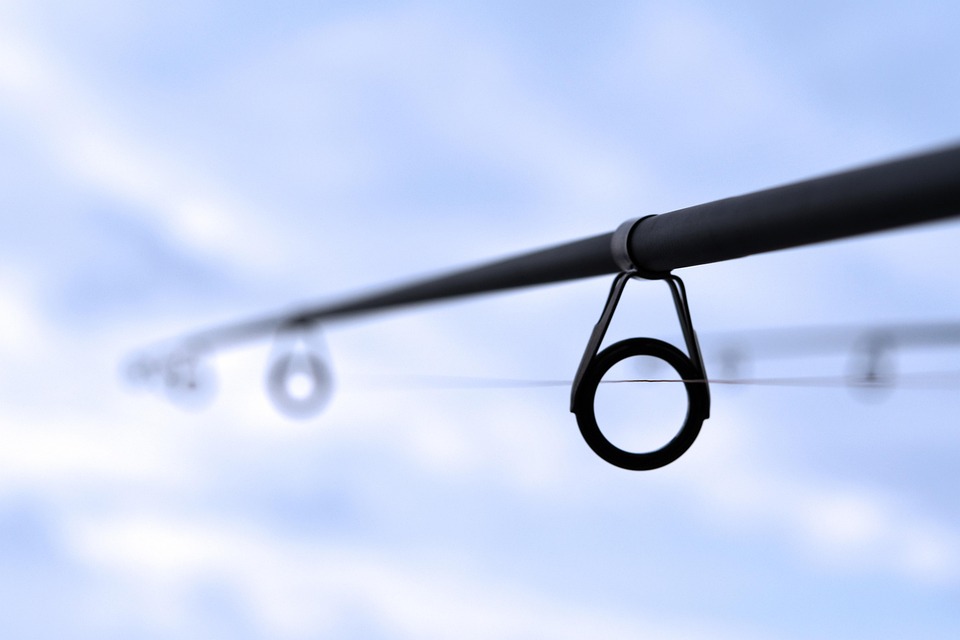
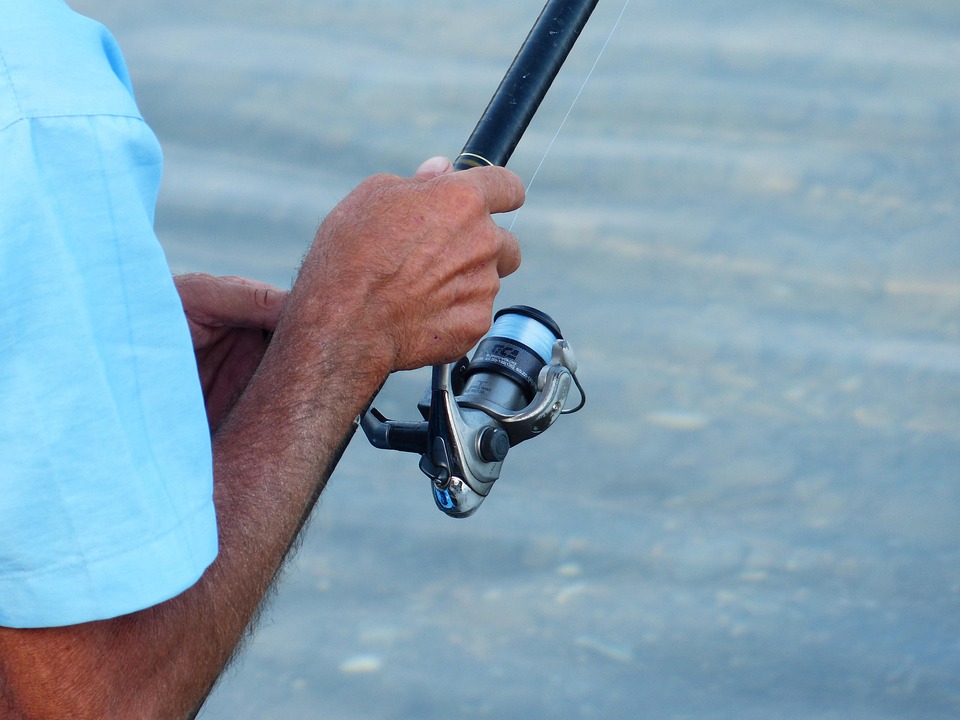
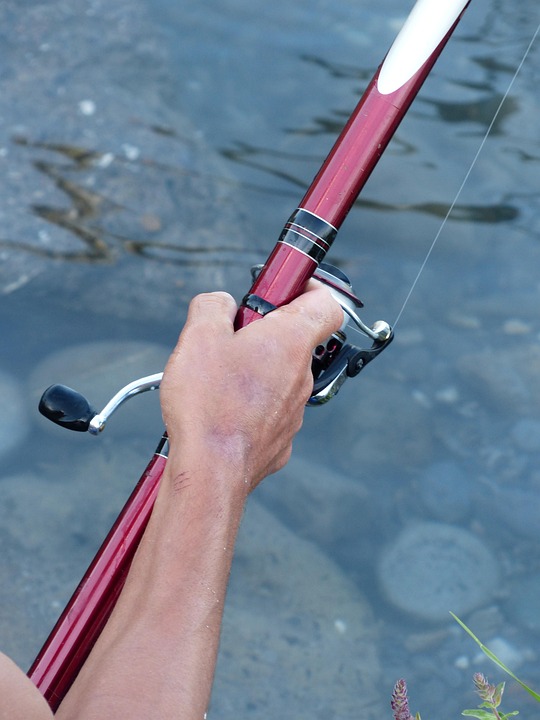
- Rod and Reel: Heavy-duty rods and reels that can withstand the force of larger catfish are essential. Look for reels with strong drag systems.
- Line: Braided line is preferable due to its strength and sensitivity, allowing anglers to feel even the faintest nibbles.
- Hooks: Circle hooks are recommended for catfishing as they reduce the chances of gut hooking, increasing the chances of a successful catch.
The Experience of a Lifetime
For many anglers, the journey to catching trophy catfish is as rewarding as the catch itself. The thrill of casting into murky waters, the camaraderie shared among fellow fishers, and the peace that comes from being immersed in nature form the essence of the experience.
The Connection with Nature
Fishing offers a respite from the often chaotic pace of daily life. Many catfish anglers relish the moments spent in serene landscapes, away from technology and distraction. The challenge of reading the water, understanding fish behavior, and adapting to environmental conditions fosters a deeper connection with nature.
Building Community
Cattfish fishing creates bonds between enthusiasts of all ages. From weekend trips with friends to competitive fishing tournaments, the spirit of camaraderie enhances the experience. Local fishing communities often come together, sharing tips and tales, celebrating each catch as a shared victory.
From River to Table
Once the catfish have been caught, the journey doesn’t end. Trophy catfish are not only sought after for sport but also for their taste. Catfish has been a staple in Southern cooking and is often served fried, grilled, or in stews.
Cleaning and Cooking Catfish
Proper cleaning is crucial for maintaining quality. After removing the skin and internal organs, it’s essential to keep the fish chilled. Recipes vary widely, but popular methods include:
- Fried Catfish: Coated in seasoned cornmeal, fried catfish is often served with sides like coleslaw and hushpuppies.
- Grilled Catfish: Marinated in various spices, grilled catfish can offer a healthier option while still delivering rich flavors.
- Catfish Tacos: A modern twist, catfish can also be used in tacos, providing a unique take on a classic dish.
Conservation and Sustainable Practices
As with all fishing activities, conservation plays a pivotal role. Overfishing can lead to ecological imbalances, affecting fish populations and their habitats. Responsible anglers promote sustainable practices, such as:
- Practicing catch and release
- Adhering to local fishing regulations
- Participating in local cleanup initiatives
Conclusion
The thrill of trophy catfish fishing is a multifaceted experience, blending the excitement of the catch with the tranquil beauty of nature and the joy of community. As anglers seek these giants of the water, they forge connections that extend beyond the riverbanks. With sustainable practices, the legacy of trophy catfish fishing can be preserved for generations to come. So grab your gear, cast a line, and immerse yourself in the adventure of a lifetime.
FAQs
1. What is the best time of year for trophy catfish fishing?
The best time for trophy catfish fishing typically spans late spring through early fall, coinciding with warmer waters when catfish are most active.
2. What size line should I use for trophy catfish fishing?
Using a line ranging from 20 to 50-pound test is recommended for trophy catfish, as larger fish require stronger lines to prevent breakage.
3. Are there specific trolling techniques that work best for catfish?
Trolling for catfish can be effective, especially when using live or cut bait. Variable depths and speeds can help determine the fish’s preferred feeding zone.
4. Can you catch catfish from the shore, or do I need a boat?
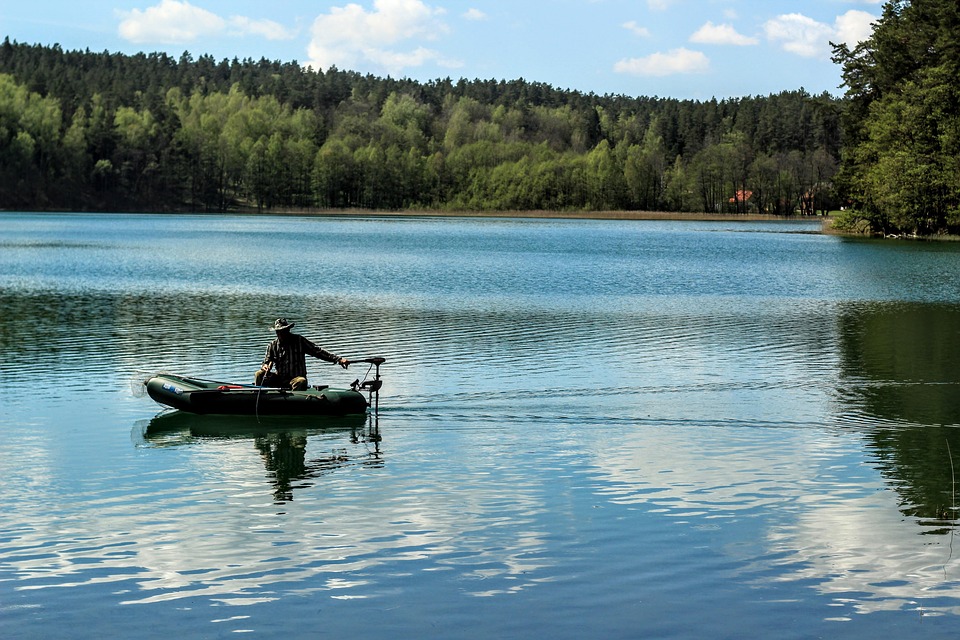
Catfish can be effectively caught from both shore and boat. However, a boat allows access to deeper waters where larger species are more likely to reside.
5. What regulations should I be aware of when catfish fishing?
Regulations vary by location, but common rules include limits on daily catches, size restrictions, and seasonal closures. Always check local guidelines before heading out.
- advanced catfish fishing
- blue catfish fishing
- catfish angling
- catfish bait
- catfish fishing
- catfish fishing for beginners
- catfish fishing gear
- catfish fishing guides
- catfish fishing reels
- catfish fishing rods
- catfish fishing seasons
- catfish fishing spots
- catfish fishing tactics
- catfish fishing techniques
- catfish fishing tips
- catfish hooks
- catfish rigs
- catfish species
- channel catfish fishing
- cut bait catfish fishing
- deep water catfish fishing
- flathead catfish fishing
- lake catfish fishing
- live bait catfish fishing
- monster catfish fishing
- night catfish fishing
- river catfish fishing
- shallow water catfish fishing
- stink bait catfish fishing
- trophy catfish fishing
















Leave a comment