








There’s a unique allure to the open ocean that draws adventurers from all walks of life. For many, the thrill of bluewater fishing transcends mere sport; it’s an opportunity to engage with nature, challenge oneself, and reap the bounties of the deep. As we embark on this exploration of bluewater fishing, we will uncover its essential elements, its risks and rewards, and the camaraderie that binds anglers together.
The Call of the Deep
Bluewater fishing generally refers to fishing in deep, open ocean waters, typically more than 30 miles off the coastline. Anglers seek to catch larger species such as marlin, tuna, swordfish, and mahi-mahi. These fish are not just significant in size but are also a challenge to catch, making bluewater fishing both an exhilarating and rewarding experience.
The ocean is a vast and abundant ecosystem, and its deep waters are home to numerous species that are adapted to survive in these challenging conditions. These fish often inhabit depths where light is scarce, relying on keen senses to navigate and find prey. This makes targeting these species a unique challenge, requiring specialized techniques and equipment.
The Gear That Makes It Happen
The right gear is crucial for a successful bluewater fishing expedition. Unlike freshwater or coastal fishing, bluewater fishing typically requires heavy-duty rods and reels, strong fishing lines, and specialized tackle. Here’s a breakdown of essential equipment:
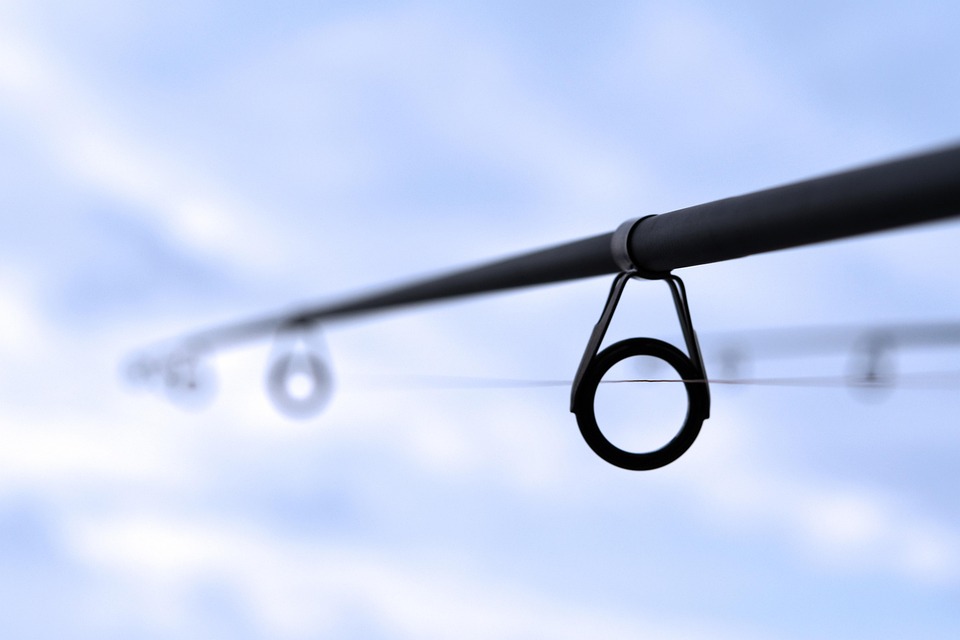
- Rods: These are usually longer and more robust, designed to handle the stress of battling larger fish.
- Reels: Big game reels are built for strength and durability, featuring a sturdy drag system to prevent breakage during intense fights.
- Lines: High-strength monofilament or braided lines are used for their tensile strength and resistance to abrasion.
- Tackle: Terminal tackle, like hooks, weights, and lures, must be selected carefully to match the target species.
Additionally, anglers often use various baits, including live bait, dead bait, or lures, each chosen based on the species they’re targeting.
Techniques and Strategies
Successful bluewater fishing is not just about the right gear; it’s also about mastering techniques that maximize your chances of catching fish. Here are some common techniques:
Trolling
Trolling involves dragging bait behind a moving boat at various speeds; this technique is particularly effective for targeting species like marlin and tuna. It allows the angler to cover a larger area of sea while enticing predatory fish to strike.
Bottom Fishing
This technique is employed to catch fish that dwell near the ocean floor. Anglers drop baited hooks straight down, targeting species like grouper and snapper. This method requires substantial knowledge of underwater structures and the habitats of target fish.
Drift Fishing
In this method, the boat drifts with the ocean currents while anglers cast their lines. It’s often used to catch multiple species and is particularly effective in areas where fish are likely to be found near the surface.
The Thrill of the Catch
The moment you feel a tug on your line, your heart races. The excitement builds as you begin to reel in your catch. The fight between man and fish unfolds—the angler’s adrenaline pumps as they maneuver their gear to keep the fish from escaping. Experienced fishermen know this moment well; it blends determination with anticipation. Will you land the fish of a lifetime, or will it escape into the depths?
Upon landing a fish, the sense of accomplishment is immeasurable. For many, it’s about more than just the catch; it’s a testament to skill, patience, and perseverance. Smiles, shouts of joy, and the camaraderie amongst fellow anglers often fill the boat, creating memories that last a lifetime.
Conservation and Sustainability
As exhilarating as bluewater fishing can be, it is essential for anglers to consider the environmental impact of their pursuits. Overfishing poses significant threats to many species, particularly those with long life spans and low reproductive rates. Sustainable fishing practices, such as catch and release, are vital to maintaining the health of fish populations and ensuring future generations can enjoy this sport.
Many organizations and local governments promote responsible fishing practices, educating anglers on the best methods to minimize their ecological footprint. Understanding the regulations concerning size limits, seasonal restrictions, and protected species plays a crucial role in conservation efforts. Awareness and education are vital in ensuring anglers become stewards of the sea.
The Community and Culture of Bluewater Fishing
Bluewater fishing is more than just a solo venture; it’s a vibrant community filled with diverse individuals united by a common passion. Boats become platforms for storytelling, laughter, and shared experiences—fishing becomes a conduit for connection.
Fishing tournaments further enhance this sense of community. These competitive events allow anglers to showcase their skills, promote friendly rivalry, and celebrate their successes together. Tournaments often support local charities, shining a light on the importance of giving back to the community that supports the fishing lifestyle.
Preparing for Your Adventure
Deciding to embark on a bluewater fishing adventure requires adequate preparation. Here are steps to ensure a successful trip:
- Research Your Trip: Understanding the species available in your selected area, local regulations, and fishing seasons is key.
- Book With Reputable Charters: Select a charter company with a well-respected reputation. Look for reviews and recommendations.
- Pack Your Gear: Ensure you have all necessary equipment, bait, and personal items such as sunscreen, food, and water.
- Check Weather Conditions: Be prepared for changing weather and sea conditions as they can significantly impact your experience.
- Stay Safe: Always prioritize safety by wearing life vests, adhering to sea safety protocols, and being aware of your surroundings.
Conclusion
Deep sea adventures in the realm of bluewater fishing offer an unparalleled thrill that captivates the senses. The anticipation of feeling a bite, the exhilaration of reeling in a massive fish, and the bonds created with fellow anglers forge a unique experience that charms enthusiasts. However, with the joys of bluewater fishing come responsibilities, urging all anglers to practice conservation and ethical fishing to ensure that future generations can also partake in this remarkable ocean adventure. For many, it’s not just about the catch, but the stories, friendships, and respect for nature that continue to draw them back to the open sea.
FAQs
What is the best time of year for bluewater fishing?
The best time for bluewater fishing varies by location and species. Generally, summer months are popular when fish are more active and abundant. Research seasonal patterns for your target species.
Do I need a license to go bluewater fishing?
Yes, most states and countries require anglers to have a fishing license for bluewater fishing. Check local regulations before your trip.
What species can I expect to catch?
Popular bluewater species include marlin, tuna, mahi-mahi, swordfish, and wahoo. The species you encounter will depend on your location and time of year.
What should I bring on my fishing trip?
Essential items include fishing gear, bait, weather-appropriate clothing, food, water, sunscreen, sunglasses, and any personal items you may need for the trip.
Are there risks involved in bluewater fishing?
Yes, bluewater fishing can involve risks such as inclement weather, strong currents, and the physical challenge of battling large fish. Always prioritize safety and follow all recommended guidelines.
- barracuda fishing
- beach fishing
- big game fishing
- bluewater fishing
- boat fishing
- coastal fishing
- deep ocean fishing
- deep sea fishing
- drift fishing
- grouper fishing
- jigging fishing
- kingfish fishing
- mahi mahi fishing
- marlin fishing
- ocean fishing
- offshore fishing
- pier fishing
- reef fishing
- sailfish fishing
- saltwater angling
- saltwater fishing
- saltwater fishing guides
- shark fishing
- shore fishing
- snapper fishing
- sport fishing
- surf fishing
- trolling fishing
- tuna fishing





Leave a comment