








Fishing is more than just a pastime; it’s an art, a science, and in many ways, a rite of passage. For centuries, anglers have sought to perfect their skills, not only to catch fish but also to build a deeper connection with nature. Whether you’re a novice or a seasoned pro, having a repertoire of efficient fishing strategies at your disposal is essential. This article delves into some of the best fishing strategies tailored to suit every angler.
Understanding Different Water Types
The first step to mastering fishing strategies is understanding the diverse types of water bodies where fishing occurs. Each environment comes with its own unique ecosystem, challenges, and fish species:
- Freshwater: Lakes, rivers, and streams are the main freshwater bodies. They host species like bass, trout, and catfish.
- Saltwater: Oceans and seas are abundant with species like tuna, marlin, and snapper. Saltwater fishing often presents more challenges due to tides and currents.
- Brackish: These are areas where fresh and saltwater mix, like estuaries. Fish here can vary widely based on the salinity.
Choosing the Right Gear
The proper gear is crucial. Here’s a basic list of essential equipment to consider:
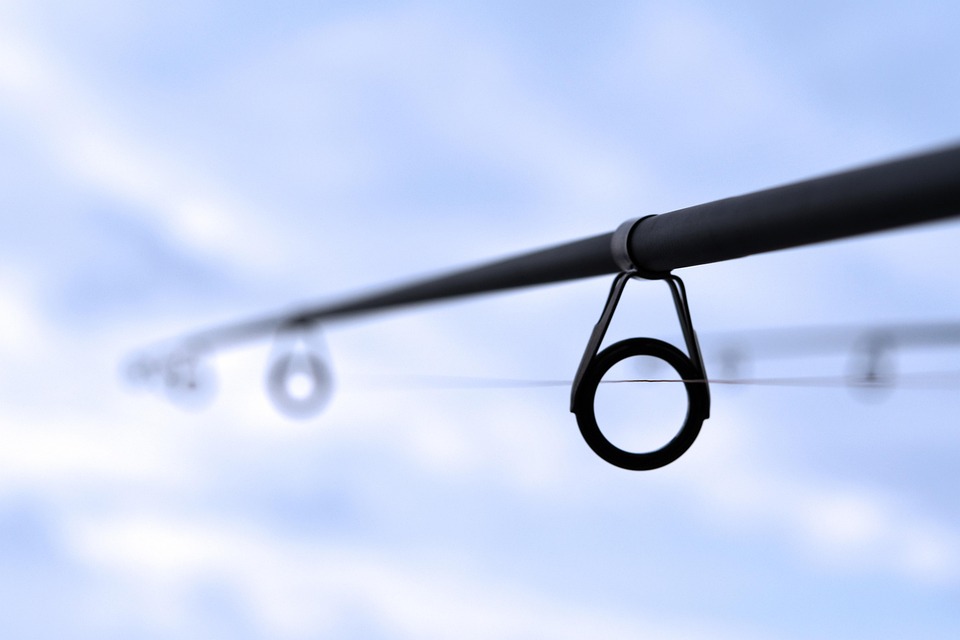
- Rod and Reel: The type of rod and reel you choose should match the species you’re targeting. Light rods are suitable for panfish, while heavy rods are necessary for larger species.
- Lures and Baits: Live bait (worms, minnows) is effective for many species, while artificial lures can be manipulated for specific fishing conditions.
- Fishing Line: Different lines have varying strengths (measured in pounds). Choose according to the fish size you’re pursuing.
Key Techniques for Successful Fishing
1. The Art of Casting
Mastering your casting technique is fundamental. Whether you’re looking to cast far into open water or into the nooks of a rocky bank, a good cast increases your chances of attracting fish. Practice different casting methods:
- Overhead Cast: Ideal for long-distance casting.
- Sidearm Cast: Useful for casting in tight spaces.
- Roll Cast: Effective in a confined area where a full backcast isn’t possible.
2. Tides and Timing
Understanding the tide cycles can significantly influence your fishing success, especially in saltwater environments. Fish are more active during certain tides:
- Incoming Tide: Water levels rise, bringing baitfish closer to shore, leading predators to follow.
- Outgoing Tide: Fish are often active as they chase bait being swept away, making it an opportunistic time for anglers.
3. Seasonal Strategies
Altering your fishing strategy based on the season can drastically improve results:
- Spring: Fish become more active as waters warm; look for spawning locations.
- Summer: Fish tend to go deeper to escape heat; target cooler waters or shaded areas.
- Fall: Fish prepare for winter; they are aggressive and feeding heavily, making it an exciting time to fish.
- Winter: Ice fishing becomes popular in colder regions; targeting deep holes can yield good catches.
Top Fishing Strategies for Different Species
1. Bass Fishing Techniques
Bass fishing demands a blend of finesse and strategy:
- Topwater Lures: During warmer months, topwater lures can attract explosive strikes.
- Flipping and Pitching: These involve targeting specific structures where bass might hide.
2. Trout Fishing Strategies
Trout are often found in cooler waters. Here are a few techniques:
- Drift Fishing: Use live bait or flies on a drifting line to mimic natural movement.
- Steelhead Fishing: Utilize heavier tackle when targeting larger rainbow trout in rivers and streams.
3. Saltwater Strategies
Saltwater fishing can be exhilarating and demands specific strategies:
- Bottom Fishing: Use weighted rigs to reach fish that dwell on the ocean floor.
- Trolling: Let your boat move while dragging lures behind at varying speeds to mimic a school of fish.
Safety Tips and Best Practices
While fishing is enjoyable, it’s essential to prioritize safety:
- Life Jackets: Always wear a life jacket when boating on open water.
- Sun Protection: Apply sunscreen and wear appropriate gear to protect against sunburn.
- Hydration: Drink plenty of water, especially on hot days.
Conclusion
Mastering fishing strategies requires not just knowledge, but also patience and practice. Whether you’re fishing in tranquil freshwater lakes or the grand expanse of the ocean, understanding the ecosystem, seasonal patterns, and the best techniques can enhance your fishing experience. As you cultivate your backstory as an angler, remember that every cast into the water is not just about the catch but also about learning and experiencing nature in its pristine form. So grab your gear, embrace the elements, and may your fishing journeys be fruitful and rewarding!
FAQs
What is the best time of day to fish?
The early morning and late afternoon are often considered the best times to fish as fish are more active during these cooler parts of the day.
What type of bait should I use for beginners?
For beginners, live bait such as worms or small minnows is recommended because they are effective for a wide variety of fish species.
Do I need a fishing license?
Yes, most regions require a fishing license to fish legally. Be sure to check local regulations before heading out.
What is the difference between fresh and saltwater fishing?
The primary difference lies in the type of water and the species of fish. Each type has its own techniques, gear, and environmental considerations.
How can I tell if a fish is biting?
Common signs include a sudden tug on your line or sporadic movement. Pay attention to the rod tip; often, it will bend or have a consistent vibration when a fish is interested.
- advanced fishing techniques
- artificial bait fishing
- bait fishing
- boat fishing methods
- casting fishing
- deep sea fishing techniques
- drift fishing
- fishing knots techniques
- fishing methods
- fishing methods for beginners
- fishing rigs methods
- fishing strategy tips
- fishing techniques
- fly fishing techniques
- freshwater fishing techniques
- inshore trolling
- jigging fishing
- live bait fishing
- lure fishing methods
- modern fishing techniques
- offshore trolling
- popping fishing
- professional fishing methods
- saltwater fishing techniques
- shore fishing methods
- slow jigging
- spinning fishing
- topwater popping
- trolling fishing
- vertical jigging










Leave a comment