







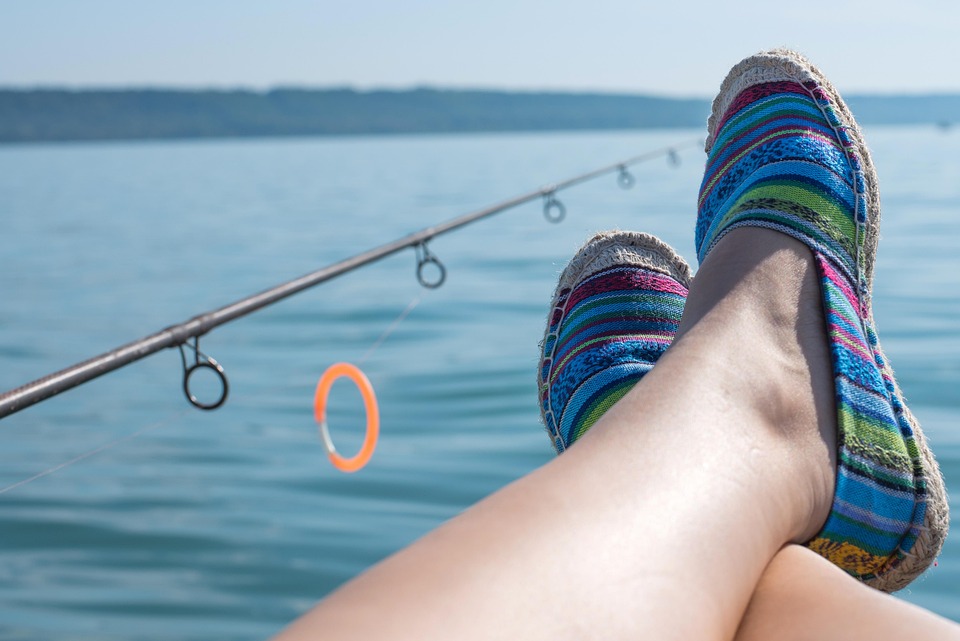


Inshore trolling is a thrilling fishing technique that allows anglers to capture a variety of game fish while enjoying the beautiful landscapes along coastlines, bays, and estuaries. This article aims to equip both novice and experienced anglers with tips and techniques to enhance their inshore trolling experience and ensure a bountiful catch.
Understanding Inshore Trolling
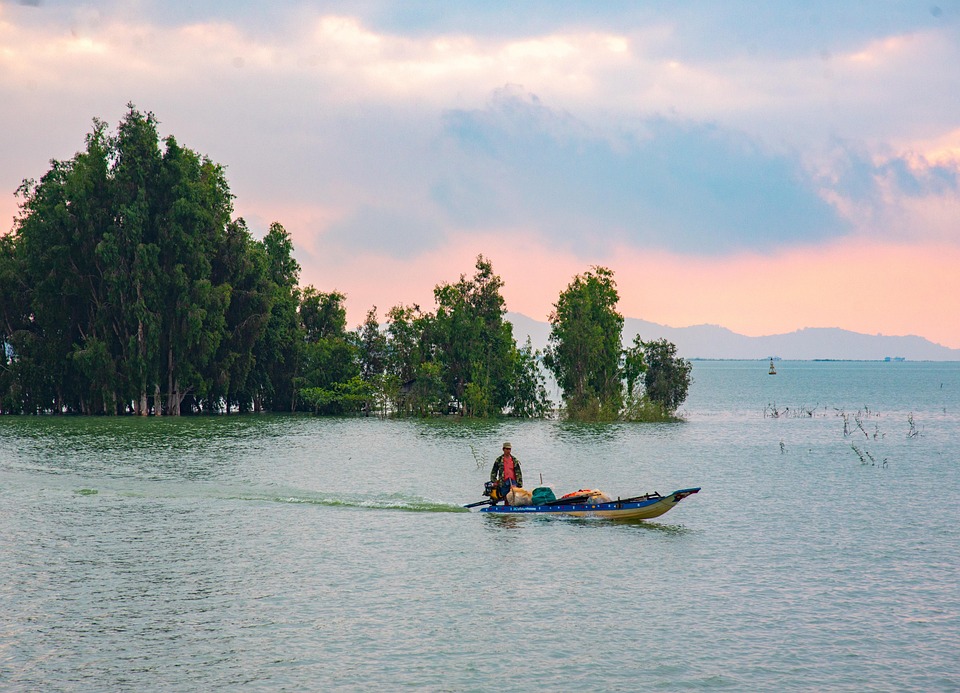
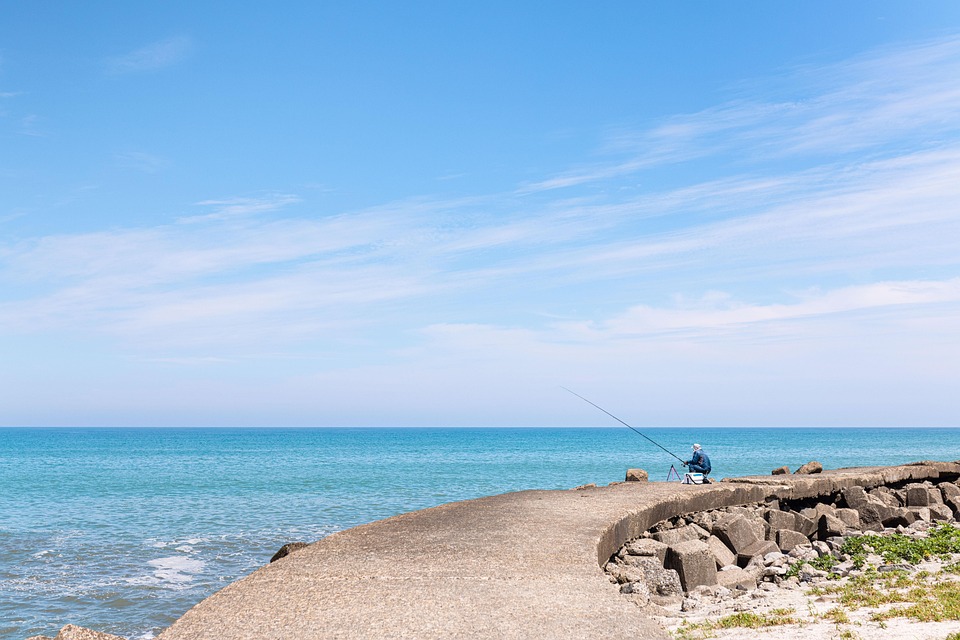
Inshore trolling typically occurs in waters less than 30 feet deep, where anglers can target popular species such as Spanish mackerel, bluefish, and flounder. Unlike offshore trolling, which often relies on deeper waters and larger vessels, inshore trolling can be effectively conducted from smaller boats, canoes, or even from the shore with the right equipment.
Essential Gear and Equipment
Choosing the right gear and equipment is crucial for a successful inshore trolling experience. Here are some essential components:
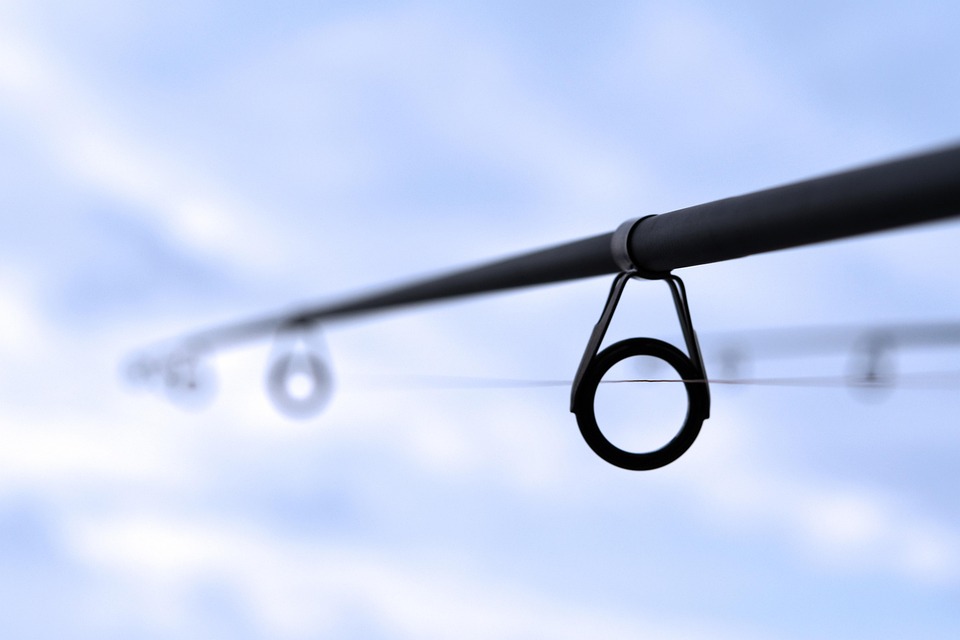
- Rod and Reel: Medium-action rods paired with spinning or conventional reels are a great choice for inshore trolling.
- Line: A braided line of at least 20-30 pound test is recommended, as it provides better sensitivity and the ability to handle fish in structure-rich environments.
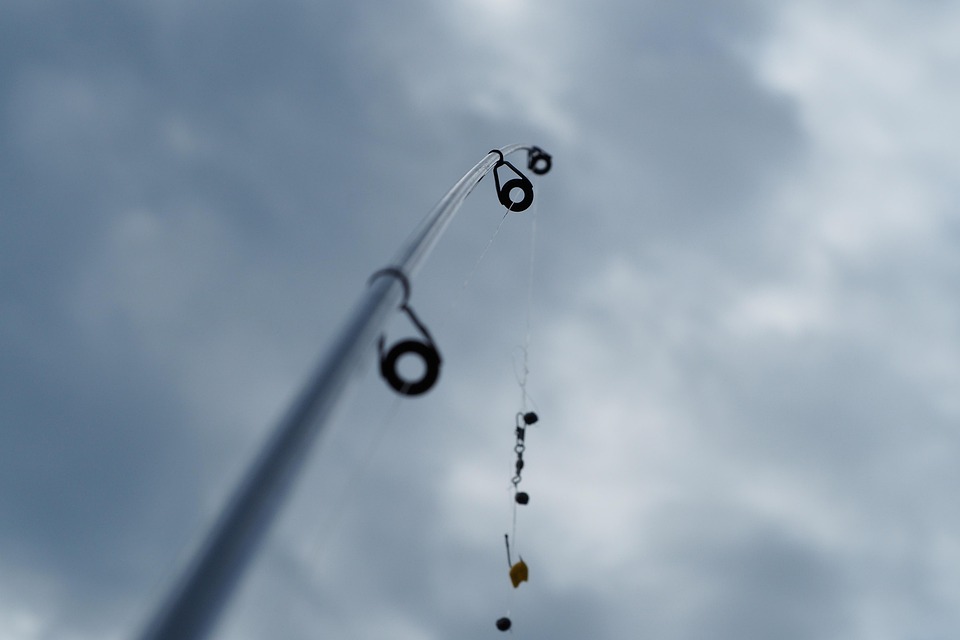
- Terminal Tackle: Use a selection of swivels, snaps, and hooks appropriate for the target species. Circle hooks are often recommended for live bait.
- Plugs and Lures: Divers, spoons, and surface lures are effective in attracting predatory species.
- Bait: Live bait such as mullet, menhaden, or squid can provide an edge over artificial lures.
Techniques for Inshore Trolling
Once equipped with the right gear, understanding and mastering various techniques can significantly impact your success:
1. Choosing the Right Time
Timing is crucial for inshore trolling. Early mornings and late evenings often provide the best opportunities, as fish are more active during these cooler parts of the day. Also, consider fishing during tidal movements, as fish tend to feed more aggressively during these times.
2. Selecting Your Location
Identifying productive locations is key. Look for:
- Structures: Rocks, jetties, and artificial reefs often attract baitfish, which in turn lure predator fish.
- Drop-offs: Areas where the sea floor drops off can be hotspots for larger fish.
- Current Lines: Traveling water often concentrates baitfish and creates optimal feeding zones.
3. Speed and Depth Control
Experimenting with boat speed is essential for successfully trolling. A speed of 2-4 knots is generally effective, but adjusting your speed based on the conditions and specific species is crucial. Additionally, make use of planers or downriggers to control the depth at which your baits run.
4. Setting Up Your Spread
To maximize your chances, set up a spread of baits. This can include:
- Multiple Lines: Deploy multiple lines at different angles to create a diverse bait spread.
- Use of Divers: Incorporate diving lures or weights to present baits at various depths.
- Balancing Colors: Varying the colors of your lures can attract the attention of different species.
5. Monitoring Weather Conditions
Weather can impact fish behavior. Cloud cover, wind, and even light rain can enhance fishing conditions. Understanding how different weather patterns affect feeding can guide your trolling strategy.
6. Catch and Release Techniques
For conservation and ethical fishing practices, consider using catch and release techniques. Handle fish with care, use barbless hooks when possible, and minimize air exposure to increase survival rates.
Safety Considerations
While inshore trolling can be an exhilarating experience, safety should always be a priority. Here are some safety tips to keep in mind:
- Weather Check: Always check the forecast before heading out to avoid sudden changes in conditions.
- Personal Flotation Devices: Ensure that life jackets are on board and worn when necessary.
- Communication: Carry a VHF radio or a phone in a waterproof case to maintain communication with land.
- Fishing License: Always have the appropriate licenses and follow local fishing regulations to avoid fines.
Conclusion
Inshore trolling is more than a fishing technique; it’s an art that combines skill, strategy, and a deep connection with nature. By understanding the essentials of gear selection, timing, location, and safety, both novice and experienced anglers can maximize their chances of a bountiful catch. Whether you’re seeking a relaxing day on the water or trying to fill your cooler, mastering these techniques is sure to enhance your fishing adventures. Remember to respect the waterways and their inhabitants, ensuring the joy of fishing for generations to come.
FAQs
What types of fish can I catch while inshore trolling?
Inshore trolling can yield a variety of species, including Spanish mackerel, bluefish, flounder, striper, and even snook, depending on your location and time of year.
Do I need a special fishing license for inshore trolling?
Yes, commercial and recreational anglers generally require a fishing license, and regulations can vary by state or country. Always check local laws before heading out.
What is the best time of year for inshore trolling?
The best time for inshore trolling varies by species, but generally, spring through fall is optimal, with many species becoming more active during these months.
Can I troll from a kayak or canoe?
Yes, inshore trolling can be successfully done from a kayak or canoe. Use lighter gear and paddling techniques to maintain a manageable pace that imitates trolling speeds.
What type of bait should I use for inshore trolling?
Live baits such as mullet, menhaden, or shrimp are typically effective. Additionally, a variety of artificial lures and plugs can also produce good results.
- advanced fishing techniques
- artificial bait fishing
- bait fishing
- boat fishing methods
- casting fishing
- deep sea fishing techniques
- drift fishing
- fishing knots techniques
- fishing methods
- fishing methods for beginners
- fishing rigs methods
- fishing strategy tips
- fishing techniques
- fly fishing techniques
- freshwater fishing techniques
- inshore trolling
- jigging fishing
- live bait fishing
- lure fishing methods
- modern fishing techniques
- offshore trolling
- popping fishing
- professional fishing methods
- saltwater fishing techniques
- shore fishing methods
- slow jigging
- spinning fishing
- topwater popping
- trolling fishing
- vertical jigging








Leave a comment