
















When it comes to fishing, few pursuits stir the soul quite like the quest for trophy trout. These majestic fish, often seen dancing upon the water’s surface, offer not just an aquatic challenge but a memorable experience that anglers cherish. This guide aims to unravel the intricacies of catching trophy trout, providing you with insights on techniques, locations, gear, and more to help you become a successful trout angler.
Understanding Trophy Trout
Trophy trout are generally classified as large specimens of their species. The exact size that defines a ‘trophy’ can vary significantly from one region to another. In many lakes and rivers across North America, trout exceeding three pounds (especially Rainbow and Brown trout) are often regarded as trophy candidates. However, keep in mind that what constitutes a trophy might vary based on where you fish, and personal goals also play a role.
Species of Trophy Trout
Trout come in various species, and each type brings its unique charm and challenges. Here are some of the most sought-after species in trophy fishing:
- Rainbow Trout: Known for their vibrant colors and acrobatic displays, they are found from the western United States to parts of the East.
- Brown Trout: These can be particularly difficult to catch due to their shyness and wariness of anglers.
- Lake Trout: Often found in deeper waters, they are unique since they are found in larger lakes across North America.
- Brook Trout: They prefer cold, clean waters and, while smaller, can often be found in stunning mountain streams.
Choosing the Right Location
Location is critical when it comes to trophy trout fishing. Here are some factors to consider:
Water Quality and Temperature
Trophy trout are often found in cool, oxygen-rich waters. Aim for waters that are around 50°F to 65°F. In the summer months, you may want to fish early in the morning or later in the evening when temperatures drop.
Time of Year
The best time to fish for trophy trout varies by location, but spring and fall generally yield the best results. During spring, fish are often more active due to spawning, while in fall, they prepare for winter, often feeding aggressively.
Identifying Hotspots
Look for areas where fish tend to congregate:
- Drop-offs and Shelves: These structures often hold fish.
- Inlets and Outlets: Where food and oxygen are plentiful.
- Underwater Structures: Logs, rocks, and weed beds make excellent hiding spots for trout.
Gear and Tackle Selection
The right gear can significantly enhance your chances of landing a trophy trout. Here’s what you should consider:
Rods and Reels
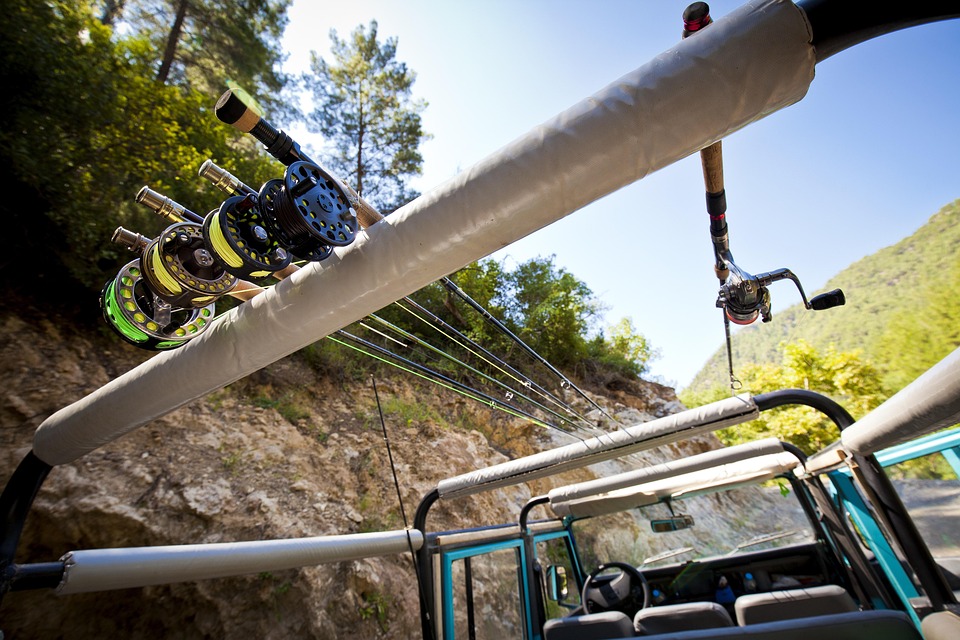
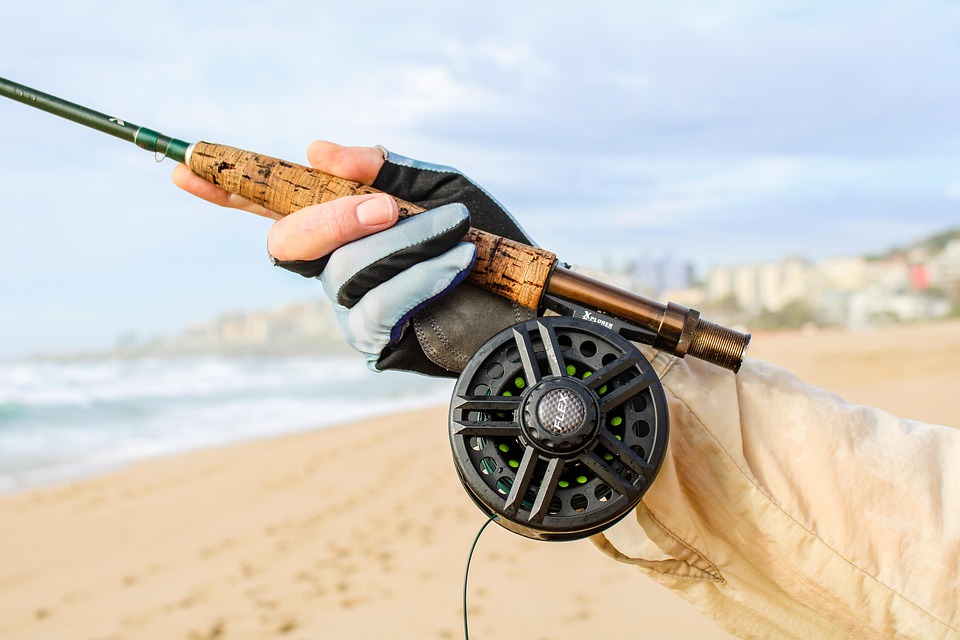
When targeting large trout, consider using a medium to medium-heavy spinning or baitcasting rod. A good reel should have a strong drag system to handle the fight of a big fish. Look for reels that can hold at least 150 yards of line.
Lines
Fluorocarbon lines are often the preferred choice among experienced anglers due to their low visibility underwater. Use a line with a breaking strength of 6 to 10 pounds for most trout. In heavy cover, consider going up to 12 pounds.
Baits and Lures
Finding the right bait or lure is vital. Here are several options:
- Live Bait: Nightcrawlers, minnows, and shad are enticing to trout.
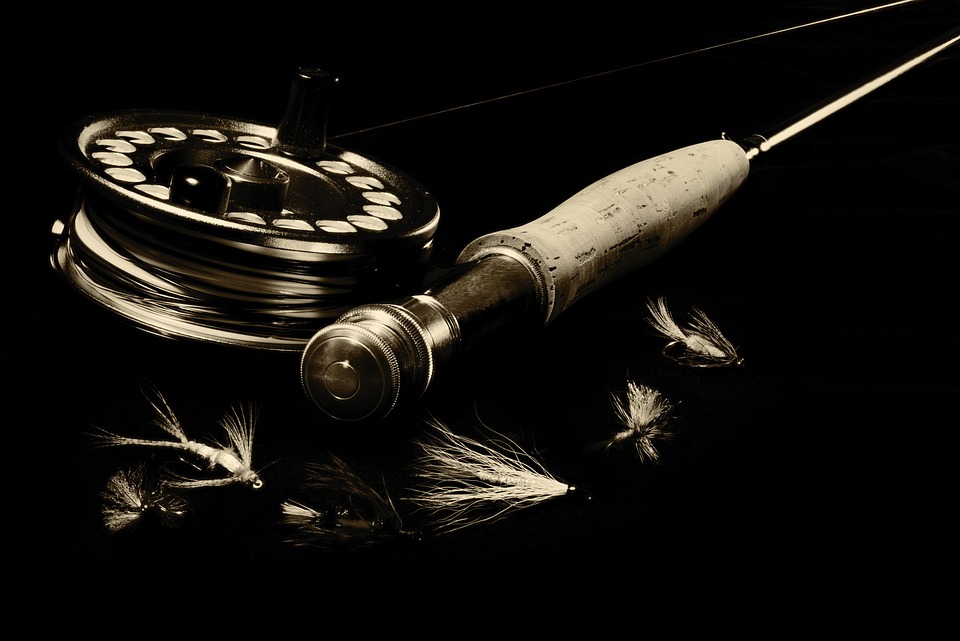
- Flies: Dry flies, nymphs, and streamers can be very effective, especially in spring and fall.
- Jigs: These can be very effective when fished near the bottom.
- Spinnerbaits: A classic choice for active fish.
Techniques for Success
Even with the best gear, the right technique can make all the difference. Here are some tried-and-true approaches:
Drift Fishing
This technique is about letting your bait drift naturally with the current. The more natural your presentation, the better your chances will be. Good spots to drift include near structures like rocks, logs, and undercut banks.
Still Fishing
This method captures trout that are more sedentary, especially in colder waters. Use live bait, and be patient as you wait for a bite.
Trolling
When fishing in lakes, trolling can be an effective way to cover more water. Use lures or bait and keep moving until you find where fish are concentrated.
Conservation and Ethics
As you pursue trophy trout, it’s essential to practice conservation to protect the habitats we cherish. Here are some ethical practices to adhere to:
- Practice Catch and Release: This helps maintain populations.
- Stay Informed: Know and adhere to local fishing regulations.
- Leave No Trace: Respect nature and ensure no trash is left behind.
Conclusion
Catching trophy trout is a rewarding pursuit that combines skill, knowledge, and patience. By understanding the species, knowing where to go, using the right gear, and practicing effective fishing techniques, you can unlock the secrets to landing that coveted fish. Remember, fishing is as much about the journey as it is about the catch. Enjoy the tranquility of nature, the thrill of the chase, and the stories you’ll gather along the way. Whether you’re a novice angler or a seasoned pro, there’s always something new to discover in the world of trout fishing.
FAQs
1. What is the best time of year to catch trophy trout?
The best times are typically in spring and fall when trout are most active due to spawning and foraging for food to prepare for winter.
2. What are the best types of bait for trophy trout?
Live bait, such as nightcrawlers and minnows, as well as artificial lures like spinners and jigs, have proven effective in attracting trophy trout.
3. How can I ensure I’m practicing responsible fishing?
Adhere to local fishing regulations, practice catch and release, and ensure you leave no trace of your visit.
4. Where can I find trophy trout?
Look for cool, clean waters with drop-offs and inlets, as these are often hotspots for larger trout.
5. What gear is essential for trophy trout fishing?
A good medium to heavy rod and reel combo, fluorocarbon line, and a selection of effective lures or baits are crucial for success.
- bass fishing
- Bluegill Fishing
- carp fishing
- catfish fishing
- Crappie Fishing
- freshwater angling
- freshwater bait fishing
- freshwater fishing
- freshwater fishing gear
- freshwater fishing guides
- freshwater fishing species
- freshwater fishing techniques
- freshwater fishing tips
- freshwater fly fishing
- freshwater spinning fishing
- inland fishing
- lake fishing
- lakes fishing
- largemouth bass fishing
- muskie fishing
- panfish fishing
- Perch Fishing
- pike fishing
- pond fishing
- reservoir fishing
- reservoirs fishing
- river fishing
- rivers fishing
- Salmon Fishing
- smallmouth bass fishing
- stream fishing
- Tilapia Fishing
- Trout Fishing
- Walleye Fishing











Leave a comment