

















Saltwater fishing stands as a testament not only to skill and patience but also to understanding the dynamic and often unpredictable nature of our oceans. Whether you are a seasoned sport angler or an adventurous beginner, the thrill of the catch is always inextricably linked to the tidal rhythms, moon phases, and seasonal cycles that govern the life in our coastal waters. Here, we delve deep into the art of saltwater fishing, uncovering essential techniques, expert insights, and strategic approaches to help you elevate your fishing game.
The Basics of Saltwater Fishing
Saltwater fishing can take on many forms, each characterized by unique conditions, techniques, and targeted species. In the vast realms of oceanic waters, anglers are often divided into three primary categories:
- Inshore Fishing: This type usually takes place in shallower waters near shorelines, targeting species such as flounder, redfish, and striped bass.
- Offshore Fishing: This requires more specialized boats and gear to reach deeper waters and catch larger species, including tuna, marlin, and sharks.
- Surf Fishing: Anglers cast lines into breaking waves and sandy beaches, often pursuing species such as surf perch or bluefish.
Understanding Tides and Their Effects
Recognizing the influence of tidal movements is crucial for any saltwater angler. Tides are driven by gravitational forces from the moon and sun, manifesting in a cyclical rise and fall of water levels. As the tides agitate the water, they play a significant role in the feeding habits of fish.
Generally, the best fishing occurs during the periods leading up to and immediately following high and low tides—these are known as the “tidal windows.” Many anglers often experience the best success during slack tide, when the water is relatively still and fish are more likely to venture into shallower waters to feed.
Choosing the Right Gear
Quality gear is essential for a productive saltwater fishing experience. Here’s what to consider:
Rod and Reel
Your choice of rod and reel should depend on the type of fishing you are planning to do:
- Inshore Fishing: A medium-action rod of 7-8 feet with a spinning reel is typically ideal.
- Offshore Fishing: Heavy-duty rods and reels are necessary to handle strong currents and large fish.
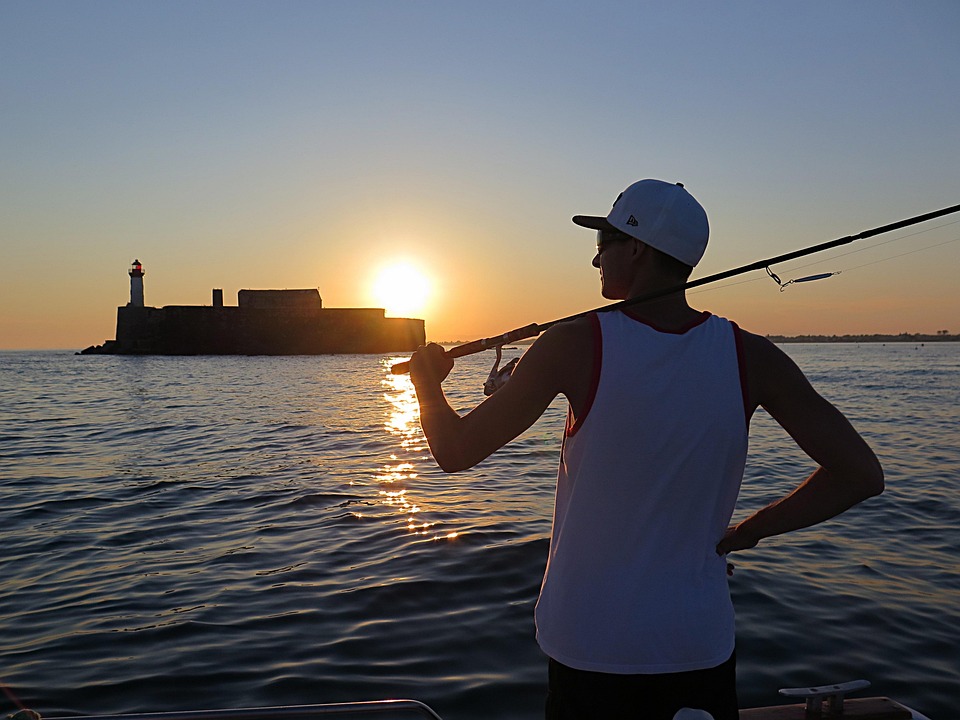
- Surf Fishing: You’ll want a longer rod (up to 12 feet) for casting distance, paired with a large spinning reel.
Bait and Lures
Using the right bait or lure is fundamental to attracting fish:
- Live Bait: Options like shrimp, crabs, and small fish can be irresistible to many species.
- Artificial Lures: Jigs, spoons, and soft plastics can mimic the movement of various prey and can be effective under different conditions.
Techniques for Success
Gaining proficiency in various saltwater fishing techniques can elevate your success. Here are a few key methods that every angler should incorporate into their repertoire:
Bottom Fishing
This technique involves dropping your bait to the ocean floor. Anglers often target species such as snapper and grouper, using heavy sinkers to ensure the bait reaches the bottom.
Drift Fishing
Drift fishing allows your bait to move naturally with current, often resulting in a more effective presentation for species like tuna or mahi-mahi. This technique can involve using a boat to drift along with the tide while castings lines.
Live Lining
This technique uses live bait attached to a hook, which is then cast out to attract larger predatory fish. The realism of the moving bait can lure in species that are otherwise wary of artificial options.
The Environmental Conservation Aspect
As sportsmen and sportswomen, it is imperative to recognize the responsibility of maintaining sustainable fishing practices. The depletion of fish populations and the degradation of marine ecosystems are pressing issues within the sport.
- Catch and Release: Encouraging the practice of catch-and-release helps maintain fish populations and ensures future generations can enjoy the sport.
- Adhere to Regulations: Be cognizant of local fishing regulations and size limits; they are implemented to protect vulnerable species.
- Clean Up After Yourself: Always leave the environment better than you found it by properly disposing of waste and using environmentally friendly gear.
Essential Safety Tips
Safety is paramount when engaging in saltwater fishing. Here are fundamental safety practices to keep in mind:
- Wear a Life Jacket: Always ensure you and your crew wear approved life jackets while on the water, regardless of the boat size.
- Check the Weather: Be aware of changing weather conditions, as the ocean can be unpredictable and dangerous.
- Inform Others: Always let someone know your plans, including your expected return time, particularly if fishing in remote areas.
Conclusion
Mastering the art of saltwater fishing is an ongoing journey that marries technical skill with environmental awareness and respect for marine habitats. By understanding the tides, investing in quality gear, employing effective techniques, and practicing sustainable fishing, anglers can create experiences that are not only rewarding but also supportive of our planet’s vital ecosystems. So, grab your rod, respect the water, and embrace the exhilarating journeys that await you on the open sea.
Frequently Asked Questions
What is the best time to go saltwater fishing?
The best times often coincide with tidal movements—just before and after high and low tides. Early morning and late evening are also regarded as prime times for fishing.
Do I need a fishing license for saltwater fishing?
Yes, in most regions, a fishing license is required. Regulations can vary by state or country, so always confirm the requirements of your locality.
What types of fish can I catch from the shore?
From the shore, anglers can typically catch species such as flounder, redfish, and various types of perch. The specific species available will depend on your location and time of year.
Can I practice catch and release with all types of fish?
While catch and release is encouraged for most species, some specific fish may have restrictions based on local regulations protecting their populations. Always check local rules to be sure.
What should I do if I am new to saltwater fishing?
Start by researching local fishing spots, investing in quality beginner gear, and consider joining a local fishing club or community for tips and guidance. Hands-on experience will also greatly enhance your skills.
- barracuda fishing
- beach fishing
- big game fishing
- bluewater fishing
- boat fishing
- coastal fishing
- deep ocean fishing
- deep sea fishing
- drift fishing
- grouper fishing
- jigging fishing
- kingfish fishing
- mahi mahi fishing
- marlin fishing
- ocean fishing
- offshore fishing
- pier fishing
- reef fishing
- sailfish fishing
- saltwater angling
- saltwater fishing
- saltwater fishing guides
- shark fishing
- shore fishing
- snapper fishing
- sport fishing
- surf fishing
- trolling fishing
- tuna fishing







Leave a comment