







Fishing is not just a hobby; it’s an adventure that connects you with nature, introduces you to new skills, and offers a tranquil escape from the bustle of daily life. Whether you’re seeking solitude, bonding time with family, or the thrill of catching a fish, your first fishing trip can be a rewarding experience. This guide covers essential aspects of planning your inaugural fishing expedition.
Understanding the Basics of Fishing
Before you dive in, it’s important to understand about fishing. Fishing involves a variety of techniques, equipment, and regulations. Here are the basic types:
- Freshwater Fishing: Generally takes place in lakes, rivers, and streams. Species often targeted include bass, trout, and catfish.
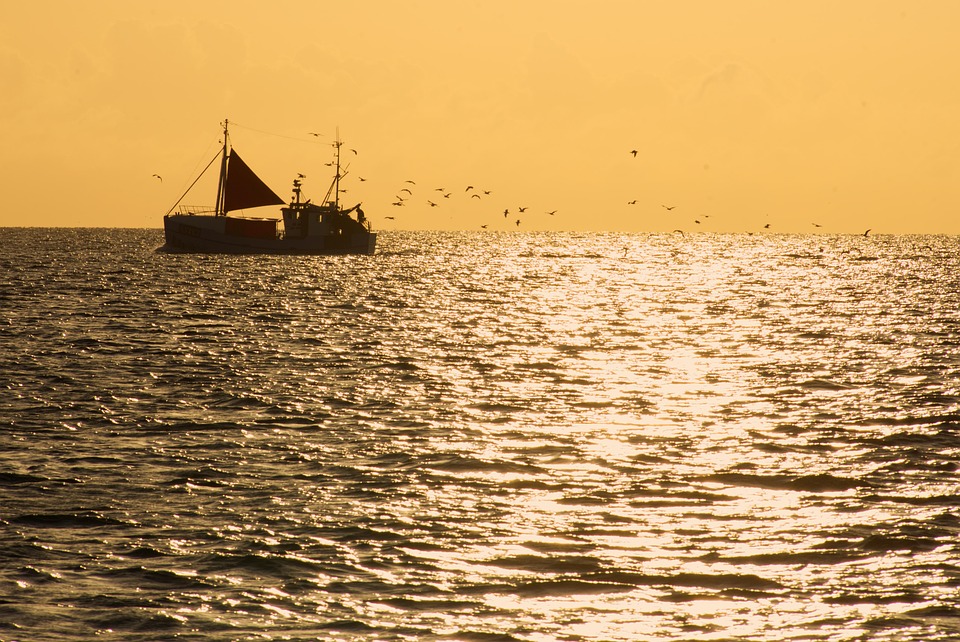
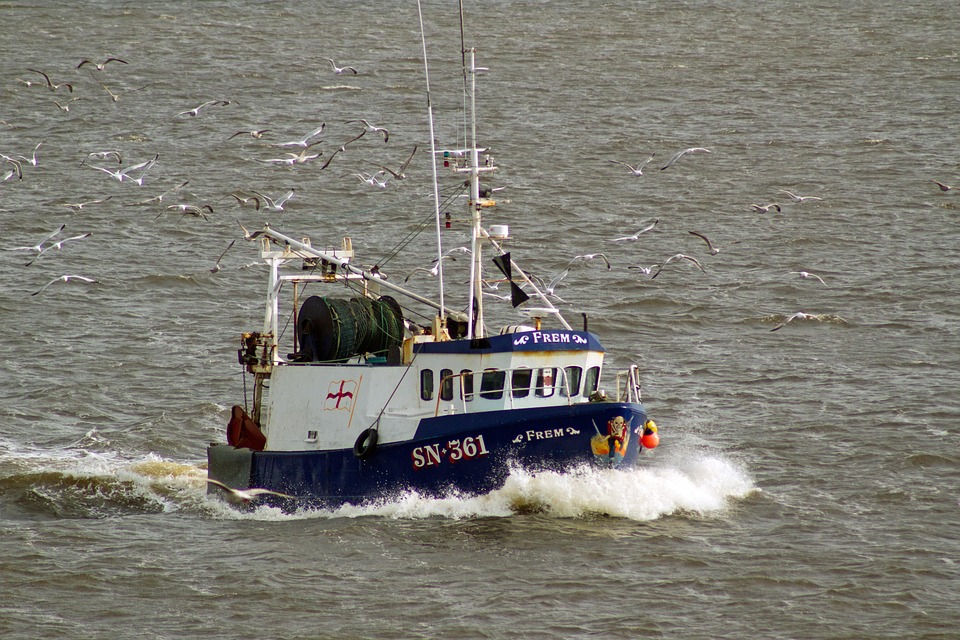
- Saltwater Fishing: Takes place in oceans and seas, targeting species like marlin, snapper, and tuna.
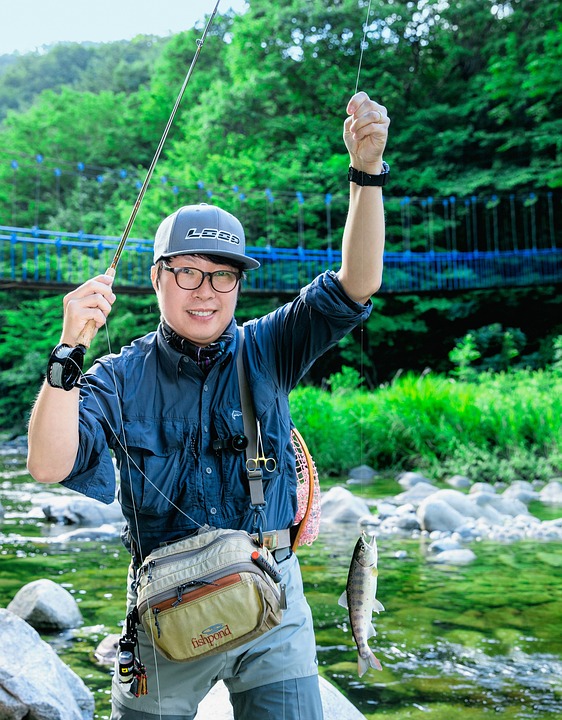
- Fly Fishing: An art form in itself, utilizing lightweight lures (flies) to catch fish. This method is popular for catching trout and salmon.
Choosing Your Location
Where you fish can significantly affect your overall experience. As a beginner, it’s advisable to start with accessible locations.
Types of Locations
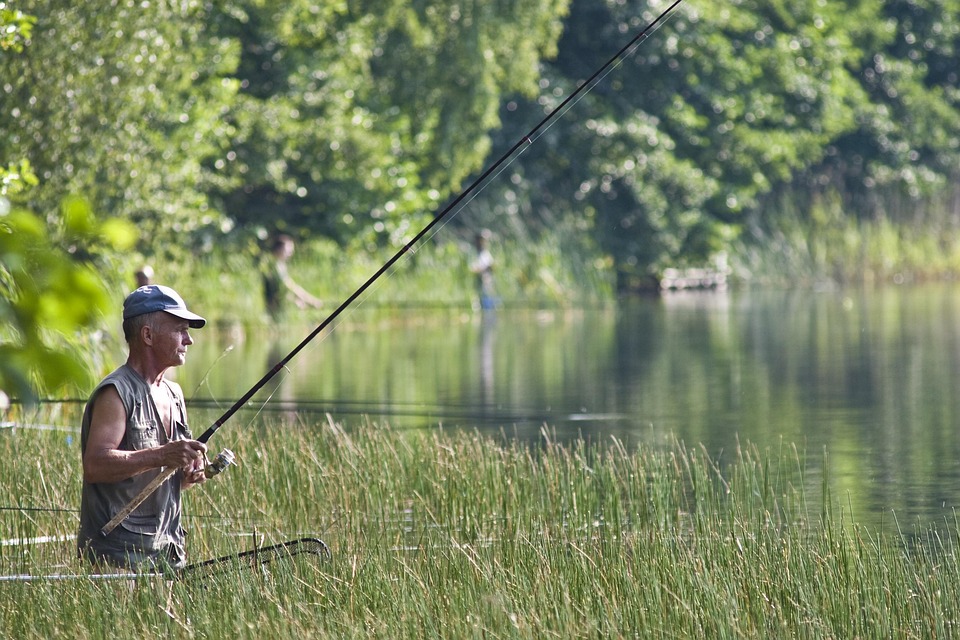
- Ponds or Lakes: Often easier and more forgiving for beginners.
- Rivers: Provide a more dynamic experience with moving water. Consider calm stretches to start.
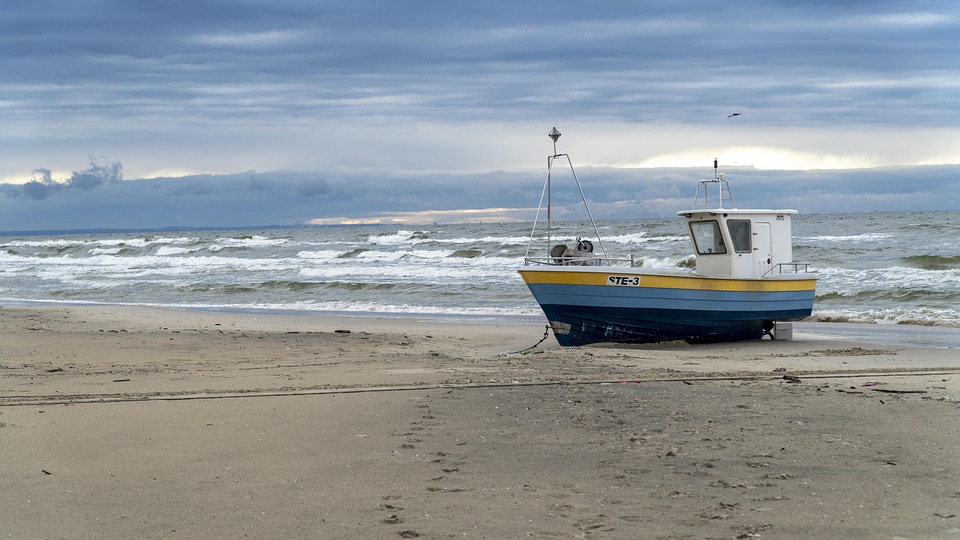
- Coastal Areas: If you’re near the ocean, surf fishing can be exciting—though a bit more complex.
Essential Gear for Beginners
Your fishing gear will depend on where and how you plan to fish. As a beginner, you don’t need to invest in expensive equipment. Here’s a basic list:
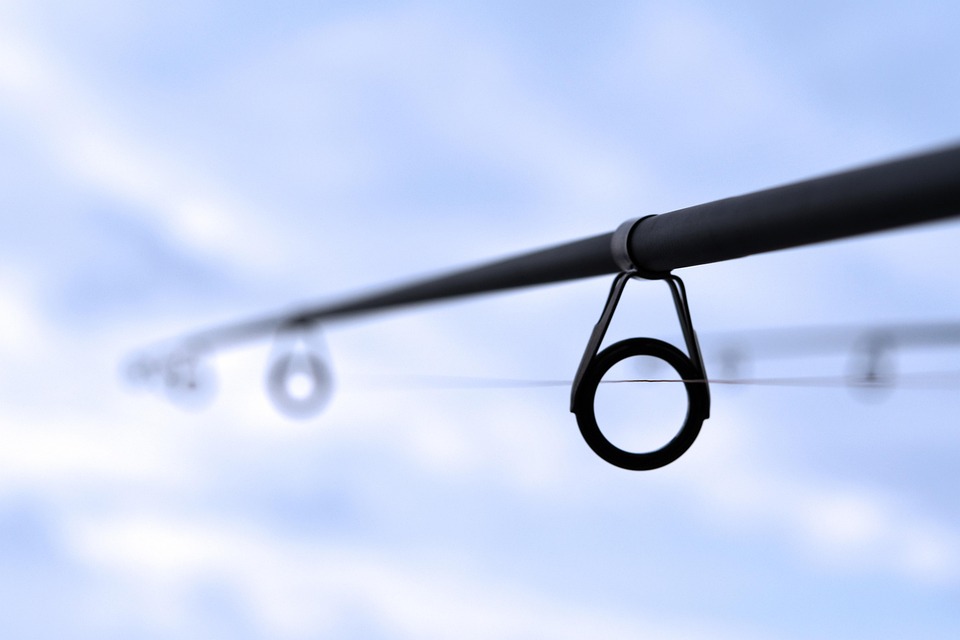
- Fishing Rod and Reel: A spinning rod and reel combo is user-friendly and versatile.
- Fishing Line: Monofilament or braided lines are good starter options—choose based on the type of fish you’ll target.
- Bait: Live bait (worms or minnows) tends to be effective for beginners, but artificial lures can also work well.
- Fishing Tackle Box: To carry your accessories, including hooks, sinkers, and bobbers.
- Net and Coolers: For handling and storing fish, if you plan on keeping your catch.
- Safety Gear: Don’t forget a fishing hat, sunscreen, and insect repellent!
Understanding Fishing Regulations
Fishing regulations ensure the sustainability of fish populations. Before your trip, familiarize yourself with local laws regarding:
- Licensing: Most regions require a fishing license, which can often be obtained online.
- Seasonal Restrictions: Certain species may only be caught during specific seasons.
- Size and Bag Limits: Regulations often dictate how many fish you can keep and their size.
Learning the Techniques
Fishing techniques can vary widely depending on the type of fishing you’re doing. Here are some basic methods to get you started:
- Casting: A basic technique involving the throwing of baited hooks into the water.
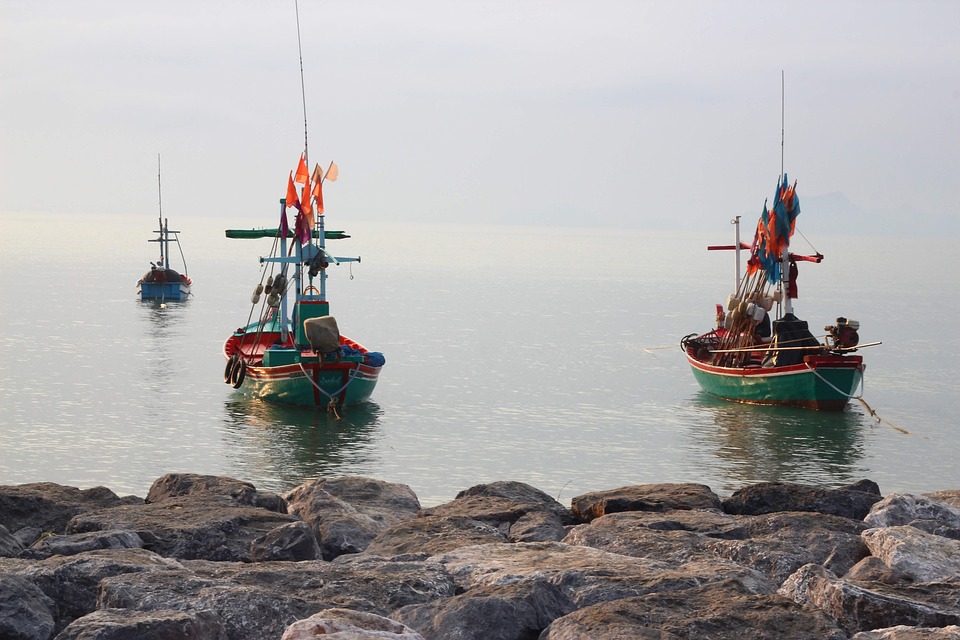
- Trolling: Dragging a lure through the water while moving on a boat, effective for catching larger fish.
- Fly Casting: Requiring more practice but rewarding for targeting specific fish species.
Planning the Trip
Now that you have the essentials down, it’s time to plan your fishing trip. Here’s a step-by-step guide:
1. Choose Your Date and Time
Select when you want to fish. Early mornings or late afternoons tend to be the most fruitful due to fish feeding patterns.
2. Gather Your Gear
Make a checklist to ensure you have everything ready. This helps prevent last-minute scrambling.
3. Recruit a Fishing Buddy
Fishing is often more enjoyable with a companion. Find a friend who is either experienced or as excited about learning as you are!
4. Check the Weather
Weather can significantly affect fishing conditions. Research your area’s weather forecast before heading out.
5. Arrive Early
Getting to your fishing location ahead of time allows you to set up and familiarize yourself with the area.
Enjoying Your Fishing Experience
Once you arrive at your fishing spot, take a deep breath and enjoy being outdoors. Here are a few tips to enhance your experience:
- Stay Patient: Fishing often requires waiting. Use this time to enjoy your surroundings.
- Observe Other Anglers: Don’t hesitate to watch and learn from experienced fishermen around you.
- Keep It Fun: Remember, the goal is to enjoy your time outdoors and revel in the simplicity of nature.
Handling and Releasing Fish
If you catch a fish, how you handle it matters for both the fish’s wellbeing and your enjoyment. Here’s how:
- Use a Landing Net: This minimizes harm when you’re bringing the fish in.
- Keep Fish in Water: If you release it, keep it as wet as possible. The longer you handle it out of water, the more stressed it will become.
- Use Barbless Hooks: These make catch-and-release much easier.
Conclusion
Planning your first fishing trip as a beginner is an exciting adventure that can lead to lifelong memories and experiences. By understanding the basics, gathering the right gear, knowing the regulations, and embracing patience, you can develop a deeper connection with nature and the joy of fishing. Remember, fishing is about the experience, the tranquility, and the thrill of the catch. With each trip, you’ll gain knowledge, skills, and perhaps most importantly, a greater respect for the natural world.
Frequently Asked Questions (FAQs)
1. Do I need a fishing license as a beginner?
Yes, most regions require a fishing license. Check your state’s wildlife agency for regulations and how to obtain one.
2. What is the best time of year to go fishing?
Spring and fall are typically the best times for fishing, but this can vary depending on your location and the type of fish you’re targeting.
3. What should I do if I don’t catch any fish?
Don’t get discouraged! Fishing is about the experience. Take the opportunity to enjoy nature, socialize with friends, or practice your techniques.
4. Can I fish from a boat as a beginner?
Yes, but starting from shore is recommended. If you choose to go on a boat, ensure you familiarize yourself with safety protocols.
5. What should I pack for a day of fishing?
In addition to your fishing gear, consider snacks, water, sunscreen, a first-aid kit, and any personal items you might need.
- beginner bass fishing
- beginner carp fishing
- beginner catfish fishing
- beginner fishing advice
- beginner fishing baits
- beginner fishing gear
- beginner fishing guides
- beginner fishing guides online
- beginner fishing knots
- beginner fishing lures
- beginner fishing mistakes
- beginner fishing reels
- beginner fishing rods
- beginner fishing strategies
- beginner fishing techniques
- beginner fishing tips
- beginner fishing trips
- beginner fishing tutorials
- beginner fishing videos
- beginner fly fishing
- beginner freshwater fishing
- beginner muskie fishing
- beginner panfish fishing
- beginner pike fishing
- beginner saltwater fishing
- beginner trout fishing
- fishing basics
- fishing for beginners
- how to fish
- new anglers tips





Leave a comment