










Introduction
Bait fishing is a timeless tradition that connects anglers to the rhythm of nature. Understanding when to fish can make the difference between a good catch and a frustrating day on the water. Just as the seasons change, so too do fish behaviors, and knowing these patterns can unlock the best times for bait fishing. This article explores seasonal secrets that will help you maximize your fishing experience, making the most of varying temperatures, bait availability, and fish migrations.
Spring: Awakening the Waters
As winter melts away, fish come alive with the warming waters of spring. Water temperatures begin to rise, prompting an increase in fish activity. Depending on your region, the official start of spring can vary, but generally, it ranges from late March to early June. During this season, several factors come into play:
- Temperature: Fish are cold-blooded, meaning their metabolism is heavily influenced by ambient water temperatures. As temperatures rise into the 50s°F (10-15°C), fish such as bass, crappie, and trout become increasingly active.
- Spawning: Many fish species migrate to spawn in warmer shallow waters. For example, largemouth bass often begin their spawning rituals around temperatures of 62°F (16°C). Understanding spawning times aids in targeting specific species.
- Best Times to Fish: Early morning and late evening are generally the best times to fish during spring as fish are most active during these hours.
Tips for Spring Bait Fishing
Add live baits such as worms or minnows. Use bright-colored lures that mimic smaller fish. Explore shallow waters in the early morning hours, where fish are congregating to spawn.
Summer: The Peak Season
Summer offers some of the most productive fishing days due to longer daylight hours and increased fish activity. However, the effects of heat can lead to fluctuating oxygen levels in the water, affecting fish behavior. Key points during the summer include:
- Water Temperature: Optimal fishing is generally between 70°F and 85°F (21°C-29°C). Fish tend to retreat to deeper waters during extreme heat, thus changing your bait fishing strategy.
- Feeding Patterns: As mid-summer approaches, fish will often feed in structured environments like weed beds, rocks, and docks. Pay attention to surface activity; schools of baitfish often signal hungry predators lurking below.
- Best Times to Fish: Mid-morning and late afternoon offer prime fishing times, although night fishing can also produce excellent results, especially for species like catfish and walleye.
Tips for Summer Bait Fishing
Use larger bait to target larger fish. Live bait such as shiners or crayfish work exceptionally well. As fish retreat to cooler depths, try using downriggers or weights to keep your bait at their desired depth.
Fall: The Transition Period
Fall is a transitional season where fish prepare for winter. The drop in temperature prompts fish to start feeding aggressively, fattening up for the colder months. Factors to consider include:
- Water Temperature: As fall progresses, temperatures cool down to the 50s°F (10-15°C), triggering a final feeding frenzy among fish.
- Migration: Many fish species start migrating to deeper waters or different water systems in search of stable temperatures and abundant food sources.
- Best Times to Fish: Like spring, early mornings and late evenings can be fruitful, but midday fishing can also yield results as fish move to feeding areas.
Tips for Fall Bait Fishing
Utilize smaller baits to mimic the smaller fish that predators are targeting. Look for areas where fish congregate, such as river mouths or deeper edges of lakes.
Winter: A Different Challenge
Winter fishing can seem daunting, but it offers unique experiences and challenges. While many fish are less active, targeted fishing can still yield results. Essential considerations include:
- Water Temperature: Fish become lethargic in water below 50°F (10°C), significantly slowing their metabolism.
- Behavioral Changes: Many game fish, like pike and perch, seek deeper waters. However, smaller lakes can freeze, leading fish to congregate in the remaining open areas.
- Best Times to Fish: Midday is often the most productive time to fish in winter, as the sun enhances fish activity slightly.
Tips for Winter Bait Fishing
Using dead baits, like herring or shad, can be effective. Ice fishing is also an exciting way to fish during winter months. Taking additional precautions for safety is essential when venturing onto frozen surfaces.
Conclusion
Understanding seasonal patterns is crucial for successful bait fishing. Different times of the year require adaptations in technique, bait selection, and fishing locations. Mastering these seasonal secrets not only increases your chances of a fruitful catch but also deepens your connection to the natural world. So whether you’re waiting for dawn’s first light on a tranquil spring morning, casting in a sun-drenched summer afternoon, or embracing the calm of a winter lake, remember that every season holds its unique allure. Happy fishing!
FAQs
1. What is the best bait for freshwater fishing in the spring?
Live worms, minnows, and small jigs tend to work well, especially as fish prepare for spawning.
2. How do I know when fish are biting?
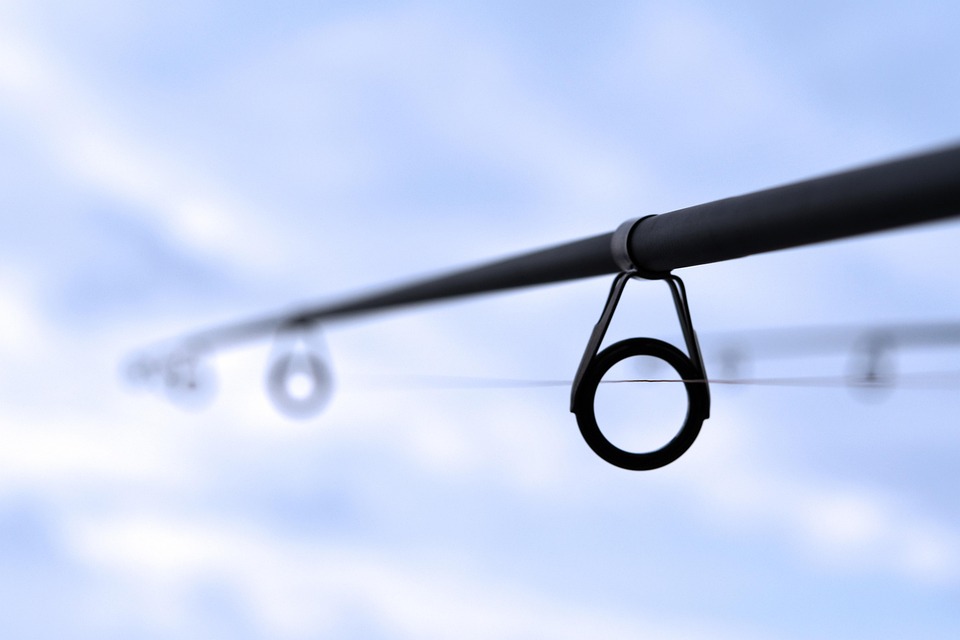
Look for surface activity, such as jumping fish or ripples. Additionally, using a fishing line with a sensitive tip can help detect bites.
3. Can I catch saltwater fish during winter?
Yes, many saltwater species remain active year-round. Species like striped bass and tarpon can be targeted in warmer coastal waters.
4. Do fish really have seasonal feeding patterns?
Absolutely! Fish feeding is heavily influenced by changes in water temperature, available prey, and their reproductive cycles throughout the year.
5. What safety precautions should I take while ice fishing?
Always check ice thickness before venturing out, dress in layers, and carry safety gear such as ice picks or a floatation device.
- bait fishing seasons
- bass fishing seasons
- best fishing times
- bluegill fishing seasons
- carp fishing seasons
- catfish fishing seasons
- crappie fishing seasons
- fishing seasons
- fly fishing seasons
- inshore fishing seasons
- jigging seasons
- marlin fishing seasons
- muskie fishing seasons
- offshore fishing seasons
- panfish fishing seasons
- pike fishing seasons
- popping seasons
- sailfish fishing seasons
- salmon fishing seasons
- seasonal fishing for beginners
- seasonal fishing guides
- seasonal fishing guides worldwide
- seasonal fishing strategies
- seasonal fishing tips
- shark fishing seasons
- spinning fishing seasons
- trolling seasons
- trout fishing seasons
- tuna fishing seasons
- walleye fishing seasons
- zander fishing seasons











Leave a comment