












For anglers, few experiences rival the thrill of catching a muskie. Known as the “fish of 10,000 casts,” muskellunge (Esox masquinongy) are notorious for their fierce fight and elusive nature. This guide aims to bridge the gap between novice and pro, breaking down the complex world of muskie fishing into five manageable steps. Whether you’re a first-timer or looking to fine-tune your skills, these essential strategies will have you well on your way to mastering this exciting sport.
Step 1: Understanding Muskies – Their Habitat, Behavior, and Diet
Muskies are primarily found in North America’s freshwater lakes and rivers, preferring environments with ample cover such as weed beds, rock formations, and submerged timber. Understanding their behavior is crucial, particularly their feeding patterns and habitat preferences, which can change based on seasonal trends.
- Spring: As the ice melts, muskies begin to spawn in shallow water. Focus on shallower bays and inlets.
- Summer: Muskies retreat to deeper waters where they find cooler temperatures, often hiding near cover.
- Fall: This is a prime time for muskie fishing as they prepare for the winter. Target shallower waters again as muskies feed aggressively.
- Winter: Ice fishing is an option in some regions, but you may have to fish in deep and lethargic waters.
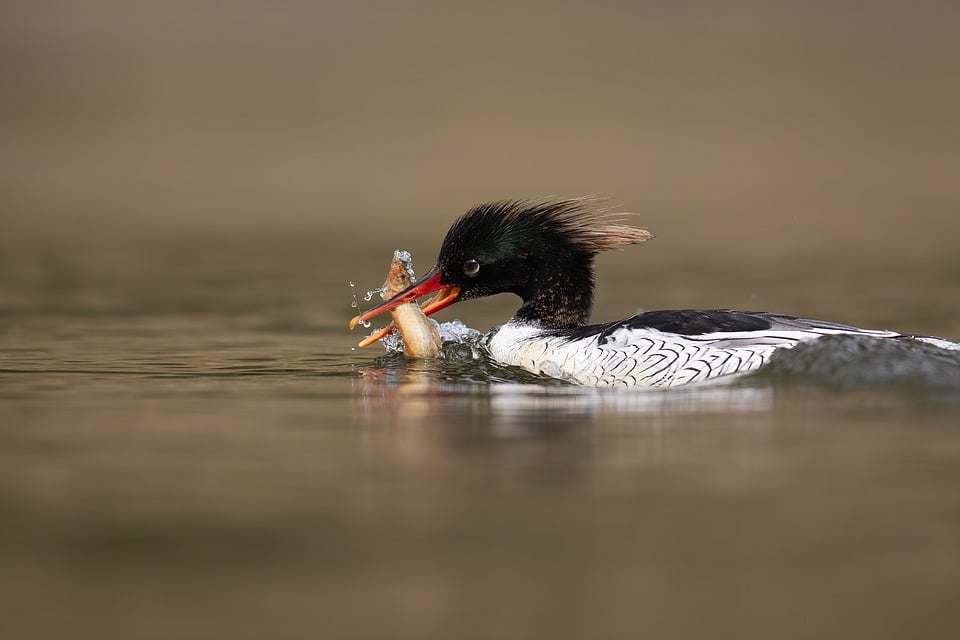
Their diet mainly consists of fish species such as perch, bass, and smaller panfish. Understanding what muskies eat will help guide your lure choices.
Step 2: Selecting the Right Gear
To effectively target muskies, you need specialized gear. Here’s a breakdown of essential equipment:
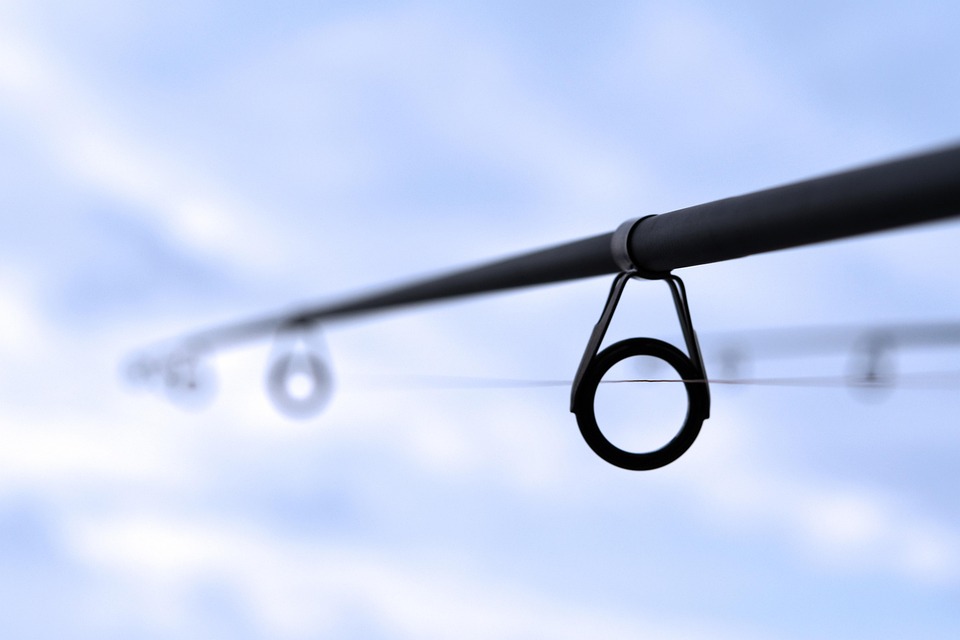
- Rod: A 7 to 9-foot heavy-action rod designed to handle larger lures and the fierce fight of a muskie.
- Reel: High-capacity baitcasting reels with a strong drag system to contend with a muskie’s powerful runs.
- Line: Use 50-100 lb test braided line for strength and abrasion resistance.
- Lures: Large lures such as bucktails, topwater lures, and jerk baits work best. Experiment with different colors and sizes.
Don’t forget necessary accessories, including pliers, a net, and a good pair of polarized sunglasses to reduce glare and improve visibility beneath the water surface.
Step 3: Learning Effective Techniques
Once equipped with the right gear, it’s time to focus on your technique. Here are a few essential methods that can significantly increase your chances of hooking a muskie:
- Figure Eight Maneuver: As you bring your lure closer to the boat, perform a figure-eight motion to trigger a response from lurking muskies.
- Slow Rolling: Many anglers recommend a slower retrieve, particularly in warmer months, to entice strikes.
- Trolling: This method helps cover large areas of water and can be very effective during the summer months when muskies prefer deeper waters.
- Timing: Fish during low light conditions such as dawn and dusk. Muskies are often more active during these times.
Practicing these techniques will build both your confidence and skill set, ensuring you are prepared when the moment of truth arrives.
Step 4: Mastering the Art of Catch and Release
Muskies are a valued species among anglers, and preserving their populations is crucial. Here’s how to practice responsible catch-and-release:
- Minimize Handling: Keep the fish in the water as much as possible to avoid stress. Use a net to bring the muskie to the boat smoothly.
- Use Appropriate Tools: Have your release tools ready and use barbless hooks whenever possible to lessen injury.
- Time Matters: Limit the time a muskie is out of water. Remove hooks quickly and handle them minimally.
- Revive: If a muskie appears lethargic, hold it gently in the water until it regains strength before releasing.
By becoming an advocate for sustainable practices, you ensure future generations can enjoy the thrill of muskie fishing. The goal is to make each catch a positive experience, not just for you but for the fish as well.
Step 5: Building Your Knowledge and Network
The journey to becoming a skilled muskie angler doesn’t end with mastering techniques; it’s also about continuous learning and networking:
- Join Local Clubs: Fisheries clubs often host outings and seminars, providing great opportunities to learn from experienced anglers.
- Attend Workshops: Many professionals offer workshops that focus on advanced techniques and tips specific to your area.
- Follow Online Communities: Social media and forums are excellent platforms to exchange experiences, tips, and advice.
- Stay Informed: Keep up with the latest fishing reports and trends, including seasonal behavior changes.
Becoming part of the wider fishing community not only boosts your skill set but also fosters a sense of camaraderie and shared passion for the sport.
Conclusion
From understanding their habitat to mastering techniques and practicing responsible fishing, the transition from novice to proficient muskie angler is well within reach. With patience, practice, and the right approach, you can significantly enhance your skill and enjoy the excitement of fishing for these magnificent fish.
To sum it up, muskie fishing is as much about the journey as it is about the catch. Dive into these five steps—understand the fish, gear up properly, refine your techniques, commit to sustainable practices, and expand your knowledge—and you’ll not only become a proficient muskie angler, but also contribute to the conservation of this incredible species.
FAQs
- What is the best time of year to fish for muskies?
- The best times often coincide with spring and fall, mainly when the water temperatures are optimal for feeding.
- Are muskies good eating fish?
- While some people do eat muskies, they are primarily prized for sport fishing. Many fishers choose to practice catch and release.
- Can muskies be caught from shore?
- Yes, muskies can be caught from shore, but having a boat allows you to access deeper waters and better fishing spots.
- Do I need a special license to fish for muskies?
- Yes, you’ll need a fishing license, and in some areas, a specific muskie endorsement. Always check local regulations.
- How can I tell the difference between a muskie and a northern pike?
- Muskies have a longer, leaner body, more pronounced teeth, and a more pointed face compared to northern pike. Additionally, their coloration is typically darker with vertical stripes.
- bass fishing
- Bluegill Fishing
- carp fishing
- catfish fishing
- Crappie Fishing
- freshwater angling
- freshwater bait fishing
- freshwater fishing
- freshwater fishing gear
- freshwater fishing guides
- freshwater fishing species
- freshwater fishing techniques
- freshwater fishing tips
- freshwater fly fishing
- freshwater spinning fishing
- inland fishing
- lake fishing
- lakes fishing
- largemouth bass fishing
- muskie fishing
- panfish fishing
- Perch Fishing
- pike fishing
- pond fishing
- reservoir fishing
- reservoirs fishing
- river fishing
- rivers fishing
- Salmon Fishing
- smallmouth bass fishing
- stream fishing
- Tilapia Fishing
- Trout Fishing
- Walleye Fishing










Leave a comment