











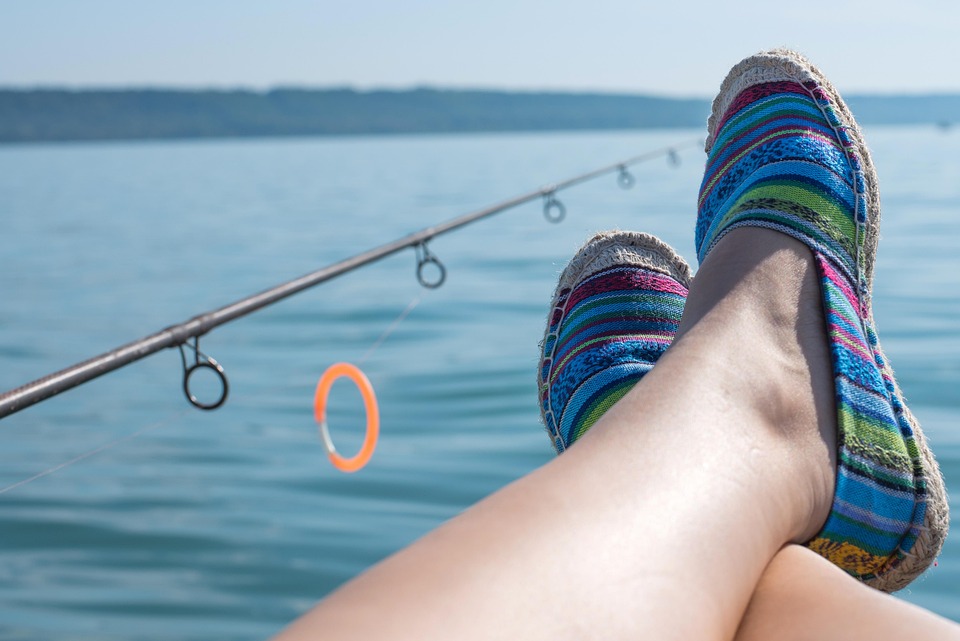


Fishing is not just a pastime; it’s an art, a skill, and for many, a way of life. Whether you are an experienced angler or a novice casting your first line, understanding the nuances of fishing can significantly enhance your experience. Here, we delve into essential strategies that will help you rig it right for a successful and enjoyable fishing trip.
Understanding the Basics of Fishing Gear
Your fishing gear is the core of your fishing expedition. Selecting the right gear is fundamental to your success and enjoyment. Here, we will analyze the primary components of fishing gear:
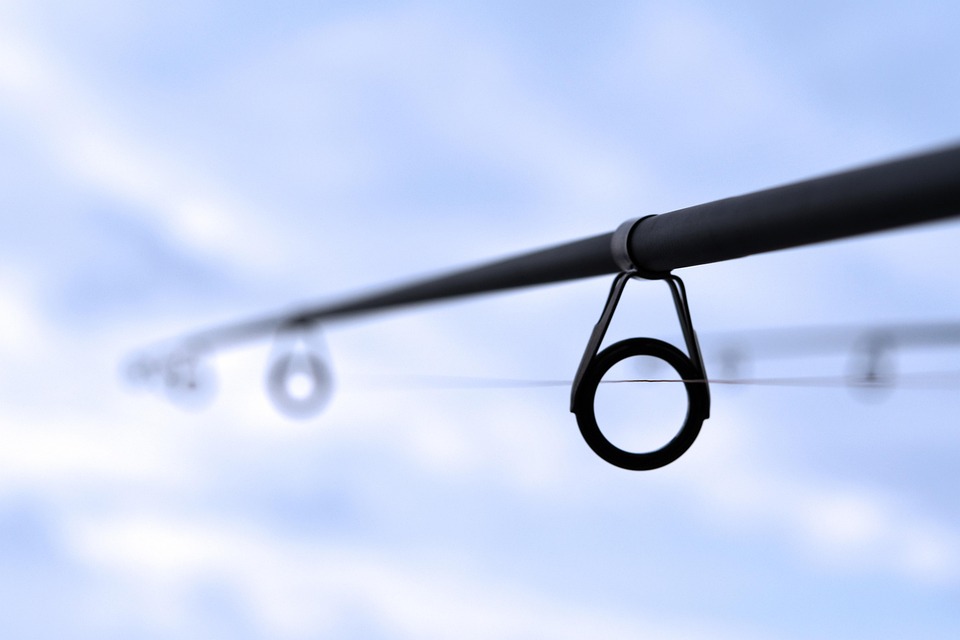
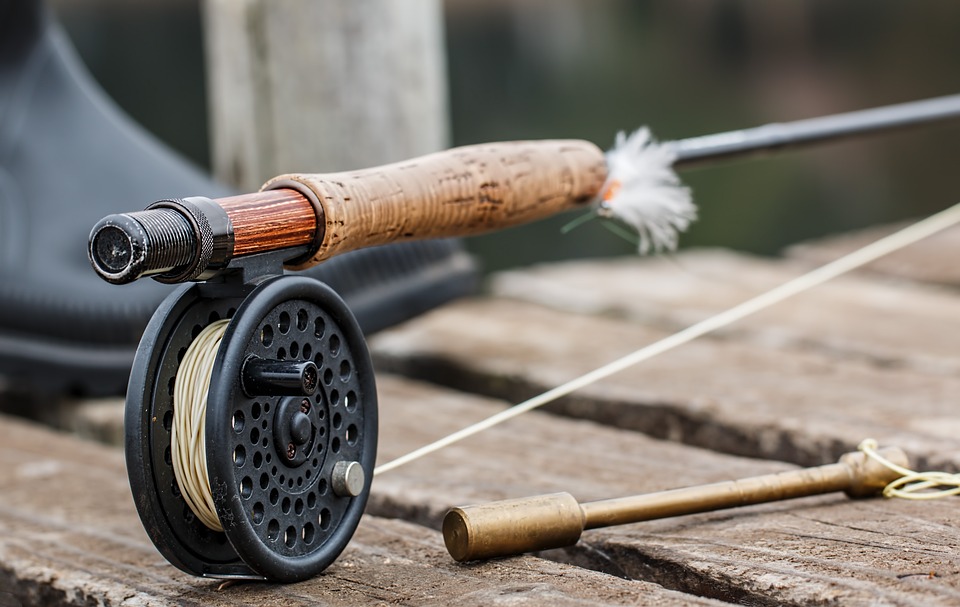
- Fishing Rod: Choose a rod that suits the type of fishing you’ll be doing. Different rods cater for freshwater, saltwater, big game, and fly fishing.
- Reel: The reel must match your rod and type of fish. Spinning reels are easier for beginners, while baitcasting reels offer more precision but require experience.
- Line: Your choice of line will depend on the water conditions and the species you are targeting. Monofilament, braided, and fluorocarbon lines all have distinct advantages.
- Bait and Lures: Selecting the right bait is crucial. Live bait, such as worms and minnows, mimic natural food, while artificial lures can be customized to match local species.
Researching the Right Fishing Location
Choosing the perfect location can make or break your fishing trip. Research local bodies of water, including lakes, rivers, and oceans. Here are some strategies to find the best spots:
- Local Regulations: Always check state regulations for fishing licenses, seasons, and restricted areas.
- Online Resources: Websites and apps like Fishbrain, Navionics, and local fishing forums can provide invaluable information about hot spots and recent catches.
- Weather Conditions: Monitor weather forecasts, as barometric pressure, wind patterns, and temperature can impact fish behavior. Ideal conditions often entail overcast days with a slight breeze.
Timing Matters: Best Times to Fish
Timing significantly influences fishing success. Be aware of the best practices regarding time of day and season:
- Early in the Morning: Many fish are active during dawn; this is often the best time to catch them.
- Late Afternoon to Dusk: Fish tend to be more active again before dusk, particularly in warmer weather.
- Seasonal Patterns: Different species of fish have specific seasonal behaviors. Understanding when they spawn or feed can increase your chances of success.
Rigging Techniques for Success
Once you have your gear and location lined up, it’s time to rig your setup correctly. Improper rigging can lead to lost fish and frustrating experiences. Here are some essential rigging techniques:
1. The Basic Bait Rigging
Using a simple bait rig is crucial for novice and experienced anglers alike. Here’s how to set it up:
- Attach a hook to your fishing line.
- Thread bait securely onto the hook.
- Use a weighted sinker if necessary to ensure your bait reaches the depth where fish are present.
2. The Slip Bobber Rig
This rigging technique adds a dynamic element to your fishing. The slip bobber allows you to fish at various depths.
- Thread the line through a bobber.
- Add a bobber stop above the bobber to set the desired depth.
- Attach a leader line with a hook and bait below the bobber.
3. Carolina Rig
The Carolina Rig is ideal for fishing on the bottom, especially for species like bass:
- Thread a weight onto the line first.
- Add a bead to protect the knot.
- Attach a swivel and a leader with a hook and your chosen bait.
I.D.E.A.L. Approach: Fish Behavior
Understanding fish behavior is pivotal to becoming a successful angler. The I.D.E.A.L. approach — Identify, Determine, Evaluate, Adapt, and Learn — can significantly improve your fishing efficiency:
- Identify: Determine which species are present and target them specifically.
- Determine: Assess what bait and techniques are effective in your fishing environment.
- Evaluate: Reflect on what works well and what doesn’t during your fishing trips.
- Adapt: Change your techniques based on your evaluations.
- Learn: Constantly seek out new information about fish and fishing strategies.
Utilizing Technology for Better Fishing
Fishing in the digital age presents modern anglers with tools that enhance their fishing experience. Some noteworthy innovations include:
- Fish Finders: These devices use sonar technology to locate schools of fish underwater, providing critical insights into depth and structure.
- Smartphones: With various apps available, anglers can access weather conditions, find fishing spots, and log catches.
- GPS Technology: Navigational tools help anglers track previous fishing locations and explore new waters with ease.
Conclusion
Rigging it right and applying these strategies can transform your fishing expedition from an uneventful outing into a successful adventure. With an understanding of gear, location, timing, rigging techniques, fish behavior, and modern technology, you’ll be well-equipped to face any fishing challenge. Ultimately, fishing is not just about the catch, but the experience and connection to nature it affords. So prepare well, stay adaptable, and relish the thrill of every cast.
FAQs
What is the best time of day to fish?
The early morning and late afternoon are considered the best times to fish, as many species are more active during these hours.
How can I improve my chances of catching fish?
Improving your chances can be achieved by researching local conditions, using the right gear, and understanding fish behavior.
What are some common mistakes beginner anglers make?
Common mistakes include using the wrong bait, not paying attention to the weather, and not adjusting techniques based on fish behavior.
What should I bring on a fishing trip?
Essentials include fishing gear, bait or lures, weather-appropriate clothing, sunscreen, water, snacks, and a first aid kit.
How do I handle fish properly after catching?
Handle fish gently and wet your hands before touching them to avoid damaging their slime coat. If you plan to release them, do so as quickly as possible.
- fishing bait tips
- fishing gear hacks
- fishing hacks
- fishing knot guides
- fishing knot techniques
- fishing knot tying
- fishing knots
- fishing knots for advanced
- fishing knots for beginners
- fishing leader knots
- fishing line knots
- fishing loop knots
- fishing lure tips
- fishing rig guides
- fishing rig hacks
- fishing rig setups
- fishing rig tips
- fishing rig tricks
- fishing rigs
- fishing strategies
- fishing techniques
- fishing tips
- fishing tips and tricks
- fishing tips for beginners
- fishing tips for experts
- fishing tips for freshwater
- fishing tips for saltwater
- fishing tips online
- fishing tricks
- fishing tricks for better catch











Leave a comment