







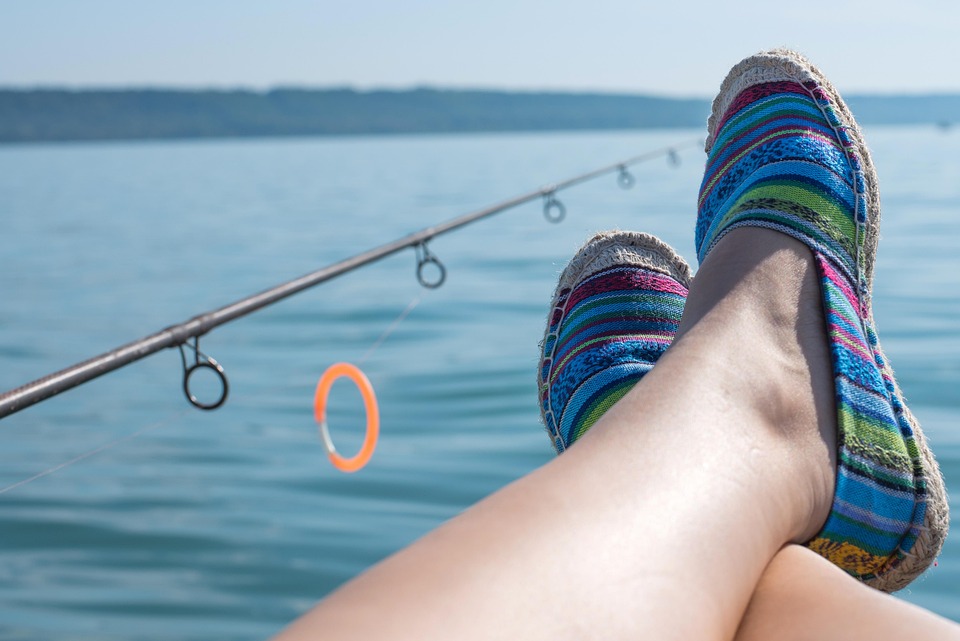

Lake fishing is more than just a leisurely afternoon pastime; it’s an invigorating experience that brings you closer to nature. From the tranquil surface to the depths teeming with aquatic life, lakes provide a unique ecosystem ideal for fishing enthusiasts. Understanding the best fishing techniques can greatly enhance your chances of reeling in that prized catch. In this article, we’ll explore effective lake fishing strategies that cater to various skill levels and preferences.
Understanding the Lake Ecosystem
Before you cast your line, it’s vital to understand the ecosystem of the lake you’re fishing in. Lakes are often stratified into different zones, each hosting various species of fish. The three primary zones are:
- Pelagic Zone: This is the open-water area where fish often chase after baitfish. Target species include bass and trout.
- Littoral Zone: The shallow, often weedy areas near the shore are rich with cover and attract a plethora of species such as panfish or catfish.
- Botom Zone: The deepest areas, where fish might hold during warmer months; ideal for species like lake trout and white bass.
Understanding these zones and their unique characteristics allows the angler to choose the appropriate fishing techniques and lures.
Essential Gear and Equipment
To fish effectively, it’s important to have the right gear. Here’s a list of fundamental equipment you will need:
- Rod and Reel: A medium-action rod paired with a spinning reel is generally suitable for most freshwater fishing.
- Fishing Line: Monofilament lines are great for beginners, but braided lines provide added strength and sensitivity.
- Hooks: Circle hooks or octopus hooks work wonders for lake fishing.
- Terminal Tackle: Weights and bobbers can help to keep your bait at the desired depth.
- Lures and Bait: Live bait like worms or minnows are effective; however, jigs, spoons, and crankbaits are great alternatives.
Top Techniques for Lake Fishing
1. Drifting
Drifting involves letting your boat or yourself float with the wind or current while your bait is cast out. This technique is highly effective for catching species that are actively feeding. Use live bait like worms or minnows for better results.
2. Jigging
Jigging is a fantastic method for enticing fish that are sitting near the bottom. By bouncing the bait off the lake bed, you emulate the movements of fish and make your lure look more appealing. Choose jigs in various weights and colors to target different fish.
3. Trolling
Trolling involves pulling lures through the water while moving at a slow pace. This technique is particularly effective in larger lakes and allows you to cover a lot of water, increasing your chances of finding a school of fish. Use a variety of lures to determine what works best on the day.
4. Topwater Fishing
Topwater fishing can produce adrenaline-pumping action when you see fish strike at the surface. Lures like poppers and frogs can be incredibly effective in the early morning or late evening when fish are more aggressive.
5. Casting and Retrieving
This classic fishing technique can be adapted for different species. You can use spinners or crankbaits to mimic injured baitfish. Retrieve your lure at varying speeds to find what triggers a strike.
Seasonal Considerations
The time of year significantly affects fish behavior and feeding patterns. Understanding how to adapt your techniques according to the seasons will improve your chances of success.
Spring
In spring, as water temperatures begin to rise, fish are more active. Focus on shallow areas where fish spawn. Utilize moving lures for species like bass and pike.
Summer
During the summer months, fish tend to move to cooler waters. Morning and late evening are prime times for fishing. Deep trolling or fishing the deeper zones can yield good results.
Fall
As temperatures cool, fish will begin to feed aggressively to prepare for winter. This is prime fishing time for many anglers. Focus on both shallow and deep waters, depending on the species.
Winter
Winter fishing may require a different approach. Ice fishing becomes an option, and fish can often be found in the deeper zones. Use tip-ups to maintain multiple lines in the water.
Safety and Conservation
When fishing, it’s crucial to prioritize safety and conservation. Always wear life jackets, adhere to local fishing regulations, and practice catch-and-release techniques to maintain fish populations. Supporting local conservation efforts can help preserve the lakes for future generations.
Conclusion
Lake fishing offers a rewarding experience for both beginners and seasoned anglers. By understanding the lake ecosystem, utilizing the right gear, and applying effective techniques, you can increase your chances of reeling in the big one. Remember that patience and practice are key, and respect for nature ensures that this enjoyable pastime remains sustainable.
Frequently Asked Questions
What is the best time of day to fish in lakes?
The best times to fish are generally early in the morning and late in the evening when fish are more actively feeding.
What type of bait should I use for lake fishing?
Live bait such as worms and minnows are highly effective, but jigs, crankbaits, and spoons can also attract fish depending on species.
Do I need a fishing license to fish in lakes?
Yes, most states require a fishing license for both freshwater and saltwater fishing. Always check your local regulations before heading out.
How can I improve my casting technique?
Practicing your casting technique in a controlled environment can improve accuracy. Focus on smooth, fluid motions to increase distance and precision.
What is the difference between trolling and drifting?
Trolling involves moving through the water while actively pulling lures, while drifting allows your bait to float naturally with the current or wind.
- bass fishing
- Bluegill Fishing
- carp fishing
- catfish fishing
- Crappie Fishing
- freshwater angling
- freshwater bait fishing
- freshwater fishing
- freshwater fishing gear
- freshwater fishing guides
- freshwater fishing species
- freshwater fishing techniques
- freshwater fishing tips
- freshwater fly fishing
- freshwater spinning fishing
- inland fishing
- lake fishing
- lakes fishing
- largemouth bass fishing
- muskie fishing
- panfish fishing
- Perch Fishing
- pike fishing
- pond fishing
- reservoir fishing
- reservoirs fishing
- river fishing
- rivers fishing
- Salmon Fishing
- smallmouth bass fishing
- stream fishing
- Tilapia Fishing
- Trout Fishing
- Walleye Fishing






Leave a comment