















Predator fishing evokes the thrill of adventure, with anglers often pursuing species that offer both a challenge and a reward. This article delves into the myriad techniques employed to catch these elusive fish, the nuances that set successful anglers apart, and the engaging stories behind this popular hobby.
The Allure of Predator Fishing
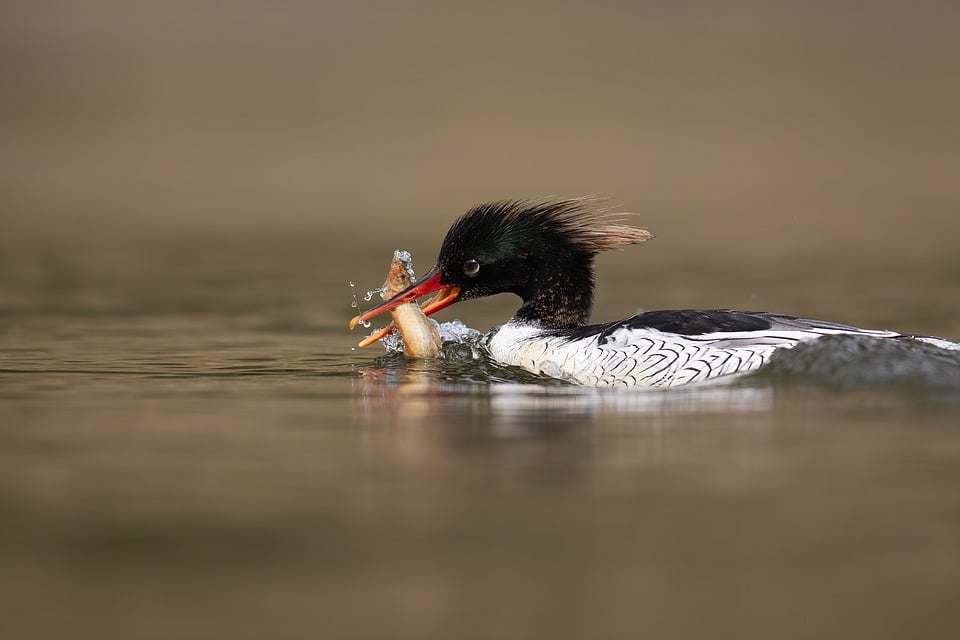
Predator fishing is defined by the pursuit of fish that are carnivorous and occupy the top of the aquatic food chain. Species such as pike, musky, trout, and largemouth bass are often sought after. The challenge lies not only in their elusive nature but also in their varying behaviors influenced by seasons, water conditions, and feeding patterns.
Unlike traditional fishing methods that can rely on a “set it and forget it” approach, predator fishing often demands a more active, skillful engagement from anglers. Understanding the ecology of the species, the seasonal rhythms of the water, and the effective use of various bait techniques is crucial to success.
Understanding Predator Behavior
To master predator fishing, anglers must first understand their quarry. Many factors influence the behavior of predatory fish, including:
- Water Temperature: Fish are cold-blooded; water temperatures can dictate feeding times and locations.
- Time of Day: Predator fish often prefer dawn and dusk, known as the “magic hours,” when their prey is also most active.
- Season: Seasonal patterns can affect the location of fish, with spawning seasons often leading to concentrated populations in specific areas.
- Cover and Structure: Predators often seek out ambush points – areas with cover such as weeds, rocks, and submerged structures.
Essential Techniques for Predator Fishing
Numerous methods exist for targeting predator species. Here’s a detailed look at some of the most effective techniques.
1. Casting and Trolling
Both casting and trolling are popular methods in predator fishing. Casting involves actively throwing baits—such as spinnerbaits, jigs, or live bait—into likely locations while trolling refers to pulling bait behind a moving boat. The choice between these techniques often depends on personal preference, the type of water body, and fish activity levels.
2. Live Bait Fishing
Live bait can provide a distinct advantage. The natural movement of a live minnow or shad can entice predators. Successful live bait fishing typically involves:
- Selecting the right size and species of bait fish for the target species.
- Using appropriate rigging techniques to ensure the bait remains lively and at the right depth.
3. Fly Fishing
For those who appreciate finesse, fly fishing can be an art form. Whether you’re targeting trout or bass, casting a well-crafted fly can result in exciting takes. Key considerations include:
- Fly Patterns: Choose patterns that mimic the fish, like streamers that resemble young fish.
- Presentation: Mastering the technique of casting and retrieving can mimic the movement of prey.
4. Topwater Techniques
Topwater fishing provides exhilarating moments as predators strike at the surface. Popular methods include:
- Buzz baits: Creating a commotion on the water surface to draw strikes.
- Poppers: Making splashes and pauses to mimic injured prey.
5. Jerkbait Fishing
Imitating a distressed baitfish, jerkbait fishing is often highly effective. The technique involves a series of sharp, erratic pulls to provoke a reaction strike from ambush predators. Successful jerkbait fishing requires:
- Fine-tuning the action: Different speeds and lengths of jerks can yield diverse results.
- Utilizing the right colors: Choosing colors that stand out against the water can increase visibility to fish.
Technology Meets Tradition
As technology rapidly advances, so too do the tools available to predator fishermen. Modern fish finders allow anglers to pinpoint underwater structures and schools of fish, while tackle innovations have led to the development of more life-like lures and effective bait rigs.
Additionally, social media and apps have created communities where anglers share tips, locations, and the latest trends. However, the essence of fishing remains rooted in tradition – stories of patience, skill, and respect for nature.
Conservation and Ethics in Predator Fishing
Beyond the technique and thrill, ethical considerations are paramount in predator fishing. Sustainable fishing practices ensure the longevity of fish populations and the health of aquatic ecosystems. Techniques like catch and release have grown in popularity, promoting responsible fishing while enabling anglers to experience the thrill of the chase without depleting fish populations.
Active involvement in local fishing organizations and conservation efforts can also bolster these purposes, allowing anglers to give back to the ecosystems they cherish.
Conclusion
Predator fishing is a vibrant tapestry of technique, skill, and respect for nature. The rewards extend beyond the catch itself; they include a deep connection with the environment, the thrill of the chase, and cherished moments spent on the water. Whether you’re a seasoned angler or just dipping your toes into the world of predator fishing, embracing the intricacies of your craft can unveil new adventures and insights into the aquatic world.
FAQs
What is the best time of year for predator fishing?
The best time can vary based on species, but generally, spring and fall offer optimal feeding conditions. During spawning seasons, predator fish often move to shallower waters, making them easier to target.
Are there specific baits that are better for certain species?
Yes. Largemouth bass often respond well to plastic worms, while pike may favor spinnerbaits or live bait. Understanding the preferred diet of your target species can significantly increase your chances of success.
What are some effective catch-and-release practices?
To ensure fish survival, handle them with wet hands, minimize air exposure, and use barbless hooks when possible. Lower the fish gently back into the water and allow them to swim away on their own accord.
How important is knowledge of local waters?
Understanding local water bodies, including depth, temperature, and structures, is essential in effectively targeting predator fish. Investing time in research before heading out can greatly enhance your fishing success.
Can technology really improve fishing success?
Absolutely. Advances in sonar and fish-finding technology can help identify fish locations, while apps can provide insights on weather, water conditions, and social fishing reports.
- advanced predator fishing
- aggressive fish fishing
- barracuda fishing
- barracuda lure fishing
- freshwater predator fishing
- large predator fishing
- muskie fishing
- muskie lure fishing
- pike fishing
- pike lure fishing
- predator angling
- predator fishing
- predator fishing baits
- predator fishing destinations
- predator fishing for beginners
- predator fishing gear
- predator fishing guides
- predator fishing lures
- predator fishing reels
- predator fishing rigs
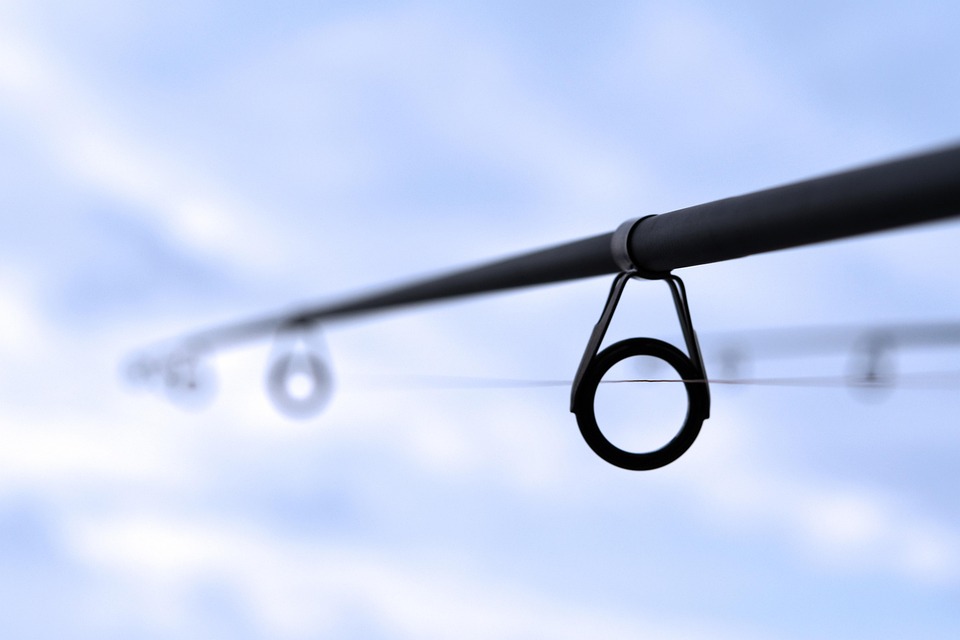
- predator fishing rods
- predator fishing seasons
- predator fishing spots
- predator fishing tactics
- predator fishing techniques
- predator fishing tips
- predatory fish fishing
- saltwater predator fishing
- zander fishing
- zander jigging















Leave a comment