



















Deep ocean fishing, a thrilling and adventurous endeavor, has captivated the hearts of fishermen, adventurers, and seafood lovers alike. As the quest for deeper waters continues to attract attention, it becomes essential to explore the allure and complexities associated with this extraordinary activity. With the vast majority of the ocean remaining unexplored, the excitement of deep-sea fishing draws many into an underwater world full of mystery and possibility.
The Lure of the Deep: Why Fishermen Venture Below
The thrill of deep ocean fishing lies not merely in the pursuit of fish but also in the adventure that accompanies it. Fishermen venture into the abyss to target species that are both elusive and prized, offering bounty along with experience. Fish such as tuna, swordfish, and grouper, as well as exotic species like the deep-sea anglerfish, populate these waters, drawing avid anglers to their depths.
According to the National Oceanic and Atmospheric Administration (NOAA), deep ocean fishing can occur from 200 meters (650 feet) to depths of over 1,000 meters (3,280 feet). Fishermen are often driven by the potential for larger catches and the thrill of the chase. With the advances in technology like sonar and satellite tracking, reaching these depths has become more feasible than ever, enhancing both the excitement and the rewards.
The Technologies Revolutionizing Deep Sea Fishing
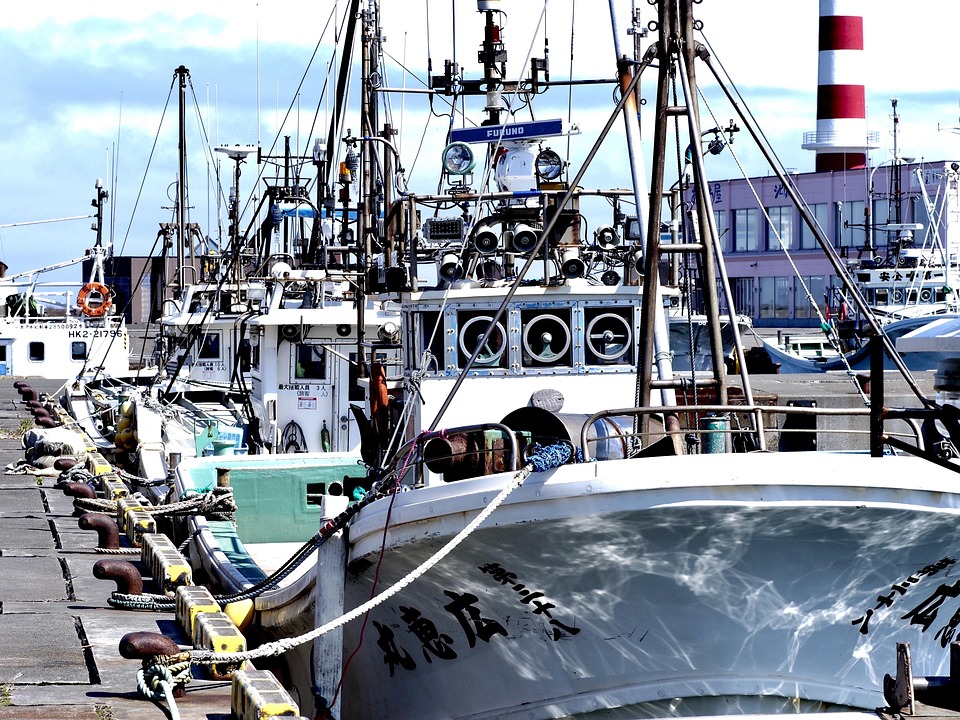
The transition from traditional deep-sea fishing to a more technology-driven approach parallels advancements in marine studies. Vessels are now equipped with cutting-edge sonar systems to locate schools of fish, and GPS technology minimizes the chances of navigational errors. Drones equipped with cameras are also being used to scout for promising areas.
Moreover, the introduction of remotely operated vehicles (ROVs) and autonomous underwater vehicles (AUVs) is changing the game. These devices allow fishermen to explore the ocean floor without putting themselves in harm’s way. ROVs can assist in habitat monitoring, helping ensure that fishing practices do not lead to overfishing or habitat destruction.
Environmental Concerns: The Other Side of the Depths
With each thrill comes significant responsibility. As the demand for deep-sea fishing rises, so do concerns about sustainability and the health of marine ecosystems. Overfishing has led to severe declines in many fish populations, prompting regulatory bodies to impose strict catch limits and seasonal restrictions to help certain threatened species recover.
Bycatch, the unintended capture of non-target fish species, further complicates the fishing industry. Reports indicate that around 40% of the world’s ocean catch is bycatch, leading to alarming levels of waste and ecological disruption. Fishermen must adopt more sustainable practices, such as using specialized gear designed to minimize bycatch and selecting fishing methods that are less invasive to marine ecosystems. Programs promoting responsible fishing practices are in development, aiming to educate fishermen and ensure the health of the ocean.
Safety Challenges: Navigating the Unknown
Deep ocean fishing is not without its perils. The remote and unpredictable environment poses numerous risks, from sudden storms to mechanical failures. Fishermen must be trained in survival techniques and stay informed about weather conditions. The United States Coast Guard emphasizes the importance of proper safety gear, communication devices, and emergency preparedness before embarking on deep-sea ventures.
Many commercial fishing fleets are adopting advanced technologies to enhance safety at sea. Satellite communication systems keep vessels connected to weather updates and offer real-time assistance during emergencies. Compliance with safety regulations and guidelines is paramount for safe operations, especially when venturing into treacherous waters.
Deep-Sea Gourmet: Culinary Delights from the Abyss
Beyond the thrill of the catch, deep-sea fishing offers an array of culinary treasures. The delicacies harvested from the deep ocean include tuna, swordfish, and various shellfish, celebrated for their rich flavors and unique textures. Renowned chefs embrace these ingredients, crafting exquisite dishes that showcase the results of deep-sea fishing adventures.
As consumer awareness of sustainability grows, the demand for responsibly sourced seafood is on the rise. Many restaurants now participate in traceability programs, ensuring seafood can be traced back to sustainable practices. Seafood festivals and culinary events often feature deep-sea catches, educating the public on the importance of conservation while offering delicious tastes from the ocean’s depths.
Personal Stories: Adventurers of the Deep
To truly understand the thrill of deep ocean fishing, one must delve into the personal stories of those who embark on this journey. Fishermen share their experiences of long days at sea, the exhilaration of reeling in a massive catch, and the camaraderie built among crew members.
One such fisher, Mark Thompson, recalls a day when he reeled in a 400-pound bluefin tuna that took two hours to bring aboard. “It was the most exhausting yet exhilarating experience of my life. The challenge kept me awake at night!” he exclaimed, expressing the magic deep-ocean fishing can imbue in a person.
These stories often include not just triumph but ups and downs. Struggles with mechanical failure and harsh weather remind us of the unpredictable nature of deep-sea fishing and underscore the resilience required in this sport.
Conclusion: The Dual Nature of Adventure
Deep ocean fishing represents both a thrilling adventure and a complex challenge. With its exciting prospects, the depths of the ocean beckon to those willing to venture into its embrace. As technology aids fishermen in their pursuit, the journey must intertwine respect for the marine environment and commitment to sustainability.
Whether you are an experienced fisherman or a curious onlooker, engaging with deep ocean fishing opens the door to stories of adventure, camaraderie, and respect for nature. While challenges persist, the way forward lies in the balance of thrill and responsibility, navigating the waters with care as we explore the captivating abyss.
FAQs
1. What is deep sea fishing?
Deep sea fishing involves fishing in waters deeper than 200 meters (650 feet) and targets species like tuna, swordfish, and groupers. This practice often occurs far from shore, requiring specialized vessels and equipment.
2. What types of fish can you catch while deep sea fishing?
Common catches in deep sea fishing include tuna, swordfish, grouper, snapper, and sometimes more exotic species like the deep-sea anglerfish.
3. Are there any environmental concerns associated with deep sea fishing?
Yes, overfishing and bycatch are significant concerns. Sustainable practices and regulations are being put in place to protect marine ecosystems and fish populations.
4. What safety precautions should deep sea fishermen take?
Safety measures include having appropriate life jackets, communication devices, weather tracking equipment, and training in emergency response techniques.
5. How is technology changing deep sea fishing?
Technological advancements include sonar systems, GPS navigation, drones, and ROVs, all of which enhance fishing efficiency and improve safety during deep-sea excursions.
- barracuda fishing
- beach fishing
- big game fishing
- bluewater fishing
- boat fishing
- coastal fishing
- deep ocean fishing
- deep sea fishing
- drift fishing
- grouper fishing
- jigging fishing
- kingfish fishing
- mahi mahi fishing
- marlin fishing
- ocean fishing
- offshore fishing
- pier fishing
- reef fishing
- sailfish fishing
- saltwater angling
- saltwater fishing
- saltwater fishing guides
- shark fishing
- shore fishing
- snapper fishing
- sport fishing
- surf fishing
- trolling fishing
- tuna fishing











Leave a comment