








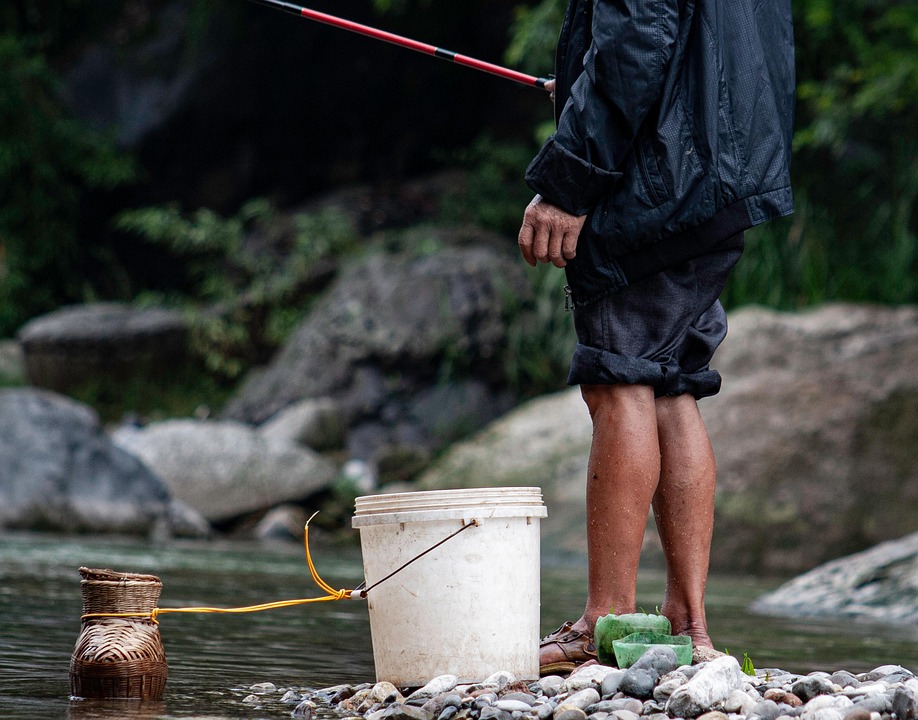









Fly fishing is not just a method of angling; it is an art form that combines skill, patience, and an appreciation for nature. For many, mastering the art of fly fishing is a life-long pursuit. Whether it’s the tranquillity of a peaceful stream or the thrill of feeling a tug at the end of the line, fly fishing allows anglers to connect with their surroundings in a unique way. This guide aims to introduce beginners to the essentials of fly fishing, particularly focusing on catching trout—a popular target among anglers.
The Basics of Fly Fishing
Before diving into the specifics of catching trout, it’s crucial to understand the fundamental concepts of fly fishing. In contrast to traditional fishing, where bait is used to attract fish, fly fishing uses artificial flies that mimic the movement and appearance of insects. The goal is to replicate natural bait in a way that entices fish to bite.
Essential Gear
Your fly fishing journey begins with selecting the right gear. Here are the basics:
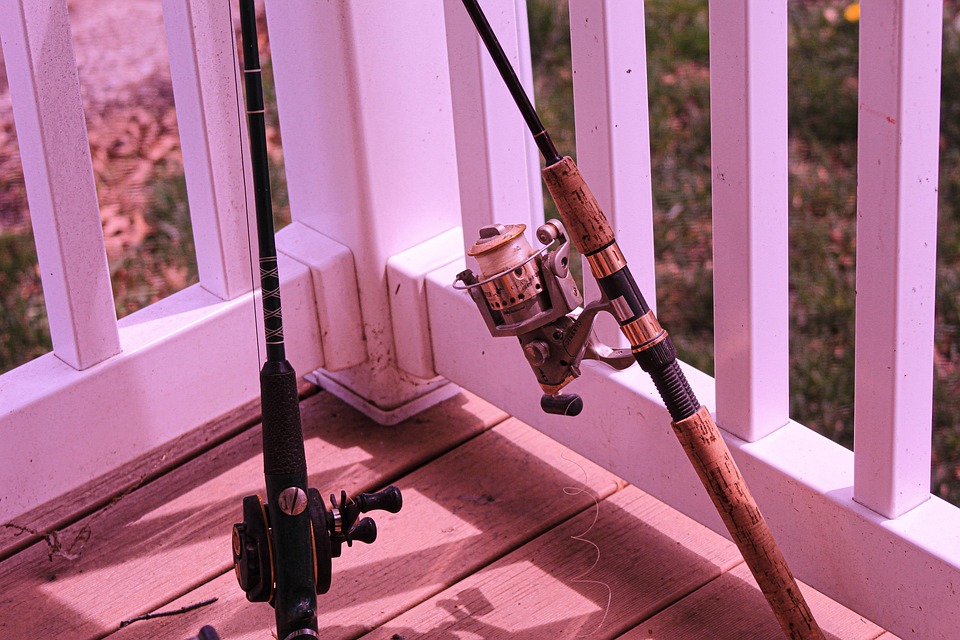
- Fly Rod: A lightweight rod typically 7-9 feet long is suitable for trout fishing.
- Fly Reel: Look for a reel that balances well with your rod and can handle the weight of the line.
- Fly Line: A weight-forward floating line is ideal for beginners; it helps cast the fly easily.
- Leader Line and Tippet: These help connect your fly to the fly line, often requiring a 9-foot leader for easier casting.
- Flies: Stock your tackle box with a variety of dry flies, nymphs, and streamers that imitate local insects.
- Waders: If wading is part of your fishing, waterproof waders will keep you dry and comfortable.
Understanding Trout Behavior
Knowing the behavior of trout is essential for successfully catching them. Trout tend to inhabit freshwater streams, rivers, and lakes, and their feeding habits can be influenced by various factors:
- Time of Day: Trout are most active in the early morning and late evening when insects are most abundant.
- Seasonal Changes: During spring and fall, trout are typically more engaged as they spawn and feed actively.
- Weather: Overcast days can lead to increased feeding, whereas bright, sunny days may see trout seeking shade.
- Water Conditions: Trout prefer clean, cold water with moderate flow; they tend to hide near structures like rocks and submerged logs.
Fly Fishing Techniques
Once you have your gear and understand trout behavior, it’s time to learn the various techniques that can increase your chances of success. Each technique has its own merits and can be adapted based on local conditions.
The Cast
A proper cast is a fundamental skill in fly fishing. The most common cast is the overhead cast. Here’s a simple guide to mastering it:
- Start with the rod tip near the water and gradually lift the rod while keeping the line taut.
- When the line is at the 1 o’clock position, quickly move the rod back to deliver a smooth forward cast.
- Use your wrist to guide the motion, allowing the line to unfurl naturally.
- Aim for a location where you think trout are hiding.
Drift and Presentation
Once your line is cast, the next challenge is to present your fly effectively. A good drift will mimic natural food sources. You can achieve this by:
- Identifying the Current: Cast upstream to allow the fly to drift naturally with the current.
- Adding Tension: Use slight line mends to adjust the fly’s drift without reeling in.
- Utilizing Different Techniques: Whether it’s a dead drift, swing, or strip retrieve, varying your technique keeps trout guessing.
Choosing the Right Flies
Flies come in various types, and knowing when to use each can significantly affect your success. Here are some common categories:
Dry Flies
These float on the water’s surface, imitating adult insects. They are most effective during mayfly hatches or in calm waters.
Nymphs
They represent juvenile insects underwater. Nymph fishing is especially effective as trout often feed below the surface.
Streamers
Streamers mimic smaller fish and are effective in moving water, particularly during aggressive feeding times.
Local Regulations and Conservation
Before embarking on your fly fishing adventure, familiarize yourself with local regulations. This includes obtaining the appropriate fishing license, understanding catch limits, and adhering to restrictions on specific waters. Conservation is paramount in preserving fish populations and habitats, so be sure to practice ethical fishing techniques:
- Catch and Release: If not harvesting fish, handle them with care to minimize harm.
- Leave No Trace: Respect the environment by cleaning up after yourself.
- Protect the Habitat: Be cautious around spawning areas and refrain from disturbing the environment.
Conclusion
Mastering the art of fly fishing is an enriching experience that provides not only the thrill of catching trout but also a deeper connection with nature. By understanding the gear, techniques, and the behavior of trout, beginners can elevate their fishing game and enjoy success on the water. Remember, every great angler started as a novice, learning through trial and error. So pick up your rod, immerse yourself in the beauty of the outdoors, and experience the joy of fly fishing. Whether you’re casting your line in a peaceful stream or on a challenging river, every trip is a step toward mastering the craft.
FAQs
1. Do I need a fishing license to fly fish?
Yes, a fishing license is required in most regions. Always check local regulations before fishing.
2. What is the best time of year to catch trout?
Spring and fall are often the best seasons for trout fishing, as these periods coincide with spawning and increased insect activity.
3. What are the most common types of trout?
The most common types include Rainbow Trout, Brown Trout, and Brook Trout, each found in different habitats.
4. Can I fly fish from a boat?
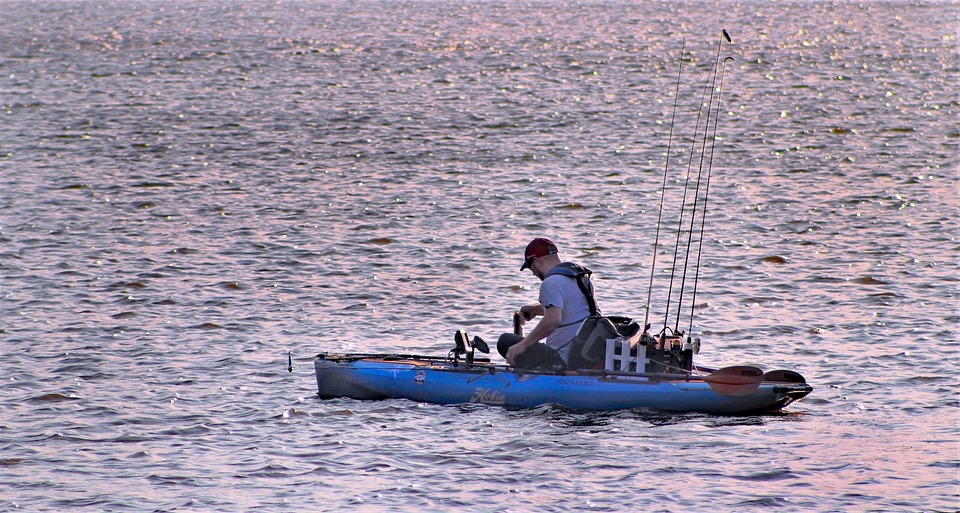
Absolutely! Many anglers prefer to fish from boats, which can provide access to hard-to-reach spots.
5. How do I know which fly to use?
It’s essential to observe local insect activity and match your fly accordingly. Consulting local fly shops or online resources can provide useful insight.
- advanced fly fishing
- bass fly fishing
- dry fly fishing
- fly casting techniques
- fly fishing
- fly fishing destinations
- fly fishing flies
- fly fishing for beginners
- fly fishing gear
- fly fishing guides
- fly fishing reels
- fly fishing rivers
- fly fishing rods
- fly fishing species
- fly fishing techniques
- fly fishing tips
- fly tying
- fly tying patterns
- freshwater fly fishing
- lake fly fishing
- nymph fishing
- river fly fishing
- salmon fly fishing
- saltwater fly fishing
- steelhead fly fishing
- stream fly fishing
- streamer fishing
- trout fly fishing
- wet fly fishing
- worldwide fly fishing










Leave a comment