
















Shark fishing has surged in popularity among angling enthusiasts, combining the thrill of the catch with the challenge of battling one of the ocean’s most formidable predators. Yet, this exhilarating pursuit is fraught with ethical considerations that stir debate among conservationists, activists, and sportsmen alike. As we explore the allure of shark fishing, it becomes crucial to confront the dynamic intersection of thrill-seeking, conservation efforts, and ethical considerations that define the modern shark fishing experience.
The Attraction of Shark Fishing
The unmistakable adrenaline rush that comes from catching a shark draws legions of anglers to ocean coasts around the world. The formidable size and strength of these fish present a challenge unmatched in the sporting world. Shark fishing is not merely about the catch; it’s about the experience, the connection with nature, and the camaraderie formed among fishermen, some of whom consider the act a rite of passage.
For many, being “hooked” on sharks means seasonal trips to remote locations, where anglers invest time, skill, and often significant resources to land a shark. Shark species such as the great white, tiger, and hammerhead serve as the crown jewels of this pursuit, pushing the limits of angler expertise and offering an unforgettable experience.
A Primer on Shark Species
Sharks are diverse, with over 500 species recognized worldwide. Some of the most sought-after species for sport fishing include:
- Great White Shark: The largest predatory fish, known for its size and power.
- Tiger Shark: Notable for its unique striped pattern and aggressive feeding habits.
- Hammerhead Shark: Easily identifiable with its distinctive head shape, prized for its fight.
- Mako Shark: Known for its incredible speed and agility, making it a thrilling catch.
The Techniques of Shark Fishing
The methods for fishing sharks are as varied as the species themselves, often tailored to the environment and specific target species. Common techniques include:
- Bottom Fishing: This involves dropping bait to the ocean floor, suitable for species like the tiger and hammerhead.
- Drift Fishing: Anglers set baited hooks and drift with the current, commonly used for catching mako sharks.
- Fly Fishing: An emerging technique that offers a unique challenge, targeting species like the blacktip shark.
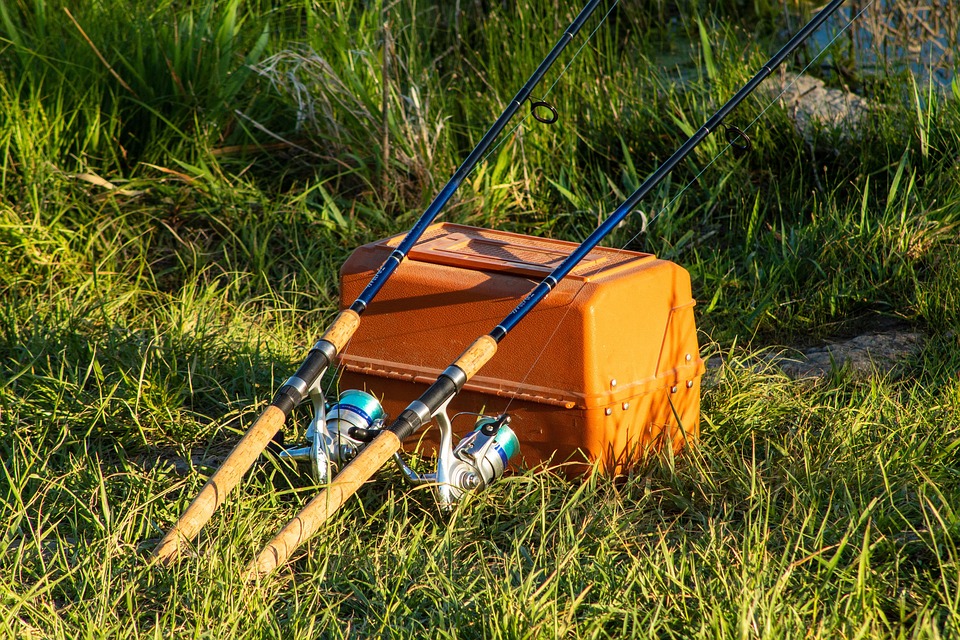
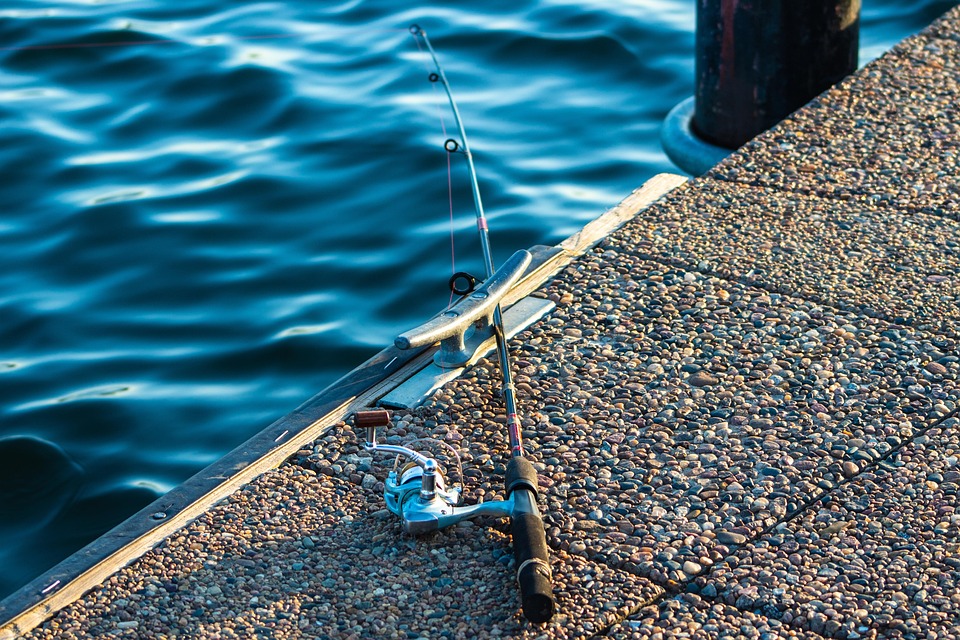
Equipment can also be specialized, with heavy-duty rods, reels, and line designed to withstand the power of these ocean predators. A typical shark excursion might involve multiple setups, with different baits, depths, and techniques employed to optimize success.
The Ethics Concern: Conservation and Sustainability
While the thrill of shark fishing captivates many, the practices surrounding it often raise alarms. Overfishing, habitat destruction, and the bycatch of non-target species threaten shark populations worldwide. Conservationists argue that the impact of angling on vulnerable species requires urgent attention, especially given that many shark species are slow to reproduce. The International Union for Conservation of Nature (IUCN) has listed several shark species as endangered due to overfishing and habitat loss.
To address these concerns, various regulations and policies have been established globally, with certain fishing practices now restricted or entirely banned. For instance:
- Many countries impose limits on catch sizes and seasons.
- Some nations restrict the use of specific gear to reduce the likelihood of bycatch.
- Conservation groups advocate for “catch and release” practices, where sharks are returned to the ocean unharmed.
The Catch and Release Movement
The catch-and-release movement is reshaping shark fishing. This approach emphasizes the responsible handling of the fish, promoting sustainable practices that allow anglers to enjoy the thrill of the catch while minimizing harm to shark populations. Education plays a key role here, equipping anglers with the knowledge to properly release sharks, preserving their health and, consequently, their populations.
Organizations like the Shark Trust and the Wildlife First actively advocate for sustainable fishing practices and engage with communities to promote awareness of conservation efforts. These organizations have also introduced guidelines to help anglers adjust their techniques to comply with ecological principles.
Potentials of Ecotourism
Increased awareness of the plight of sharks has also led to a burgeoning ecotourism sector focused around sharks. Instead of fishing, some operators offer observing and interacting with sharks in their natural habitats. This practice can provide economic support for local communities and conservation initiatives while also fostering a respect and appreciation for these apex predators.
Shark diving expeditions, where individuals can snorkel or scuba dive with sharks, have become particularly popular. This allows people to experience the beauty and magnificence of these creatures without the adversarial nature of fishing. It is seen as a win-win: the thrill-seekers get their adrenaline fix while contributing to the conservation of sharks and their ecosystems.
The Future of Shark Fishing
As conversations surrounding sustainable fishing practices evolve, the future of shark fishing is at a crossroads. Balancing the excitement and legacy of sport fishing with the pressing need for conservation requires a collective effort from anglers, policymakers, and conservationists. As more individuals embrace the responsibility of sustainability, the hope is to create a fishing culture that honors the thrill of the sport while ensuring the long-term survival of shark populations.
Conclusion
The relationship between anglers and sharks is complex, filled with passion, excitement, and critical ethical considerations. While the adrenaline rush of catching these remarkable creatures captivates many, it comes with responsibilities that must not be ignored. As stakeholders in this ecosystem, fishermen play an integral role in the ongoing survival of sharks. Armed with knowledge and a commitment to responsible and sustainable practices, we can ensure that future generations will also have the opportunity to experience the thrill of shark fishing and the grandeur of sharks in our oceans.
FAQs
1. Is shark fishing legal?
Yes, but regulations vary by region and species. It’s crucial to check local laws and ensure compliance with fishing limits and seasonal restrictions.
2. What should I do if I catch a shark?
If you’re practicing catch and release, handle the shark gently, minimize air exposure, and use barbless hooks when possible. Follow local guidelines for the best practices for release.
3. Are sharks endangered?
Many shark species are classified as endangered due to overfishing and habitat loss. It’s essential to stay informed about the species you are targeting.
4. Can you eat sharks?
Yes, some shark species are consumed, but there are health warnings due to high mercury levels in certain species. Always verify recommendations for the specific shark type.
5. What is the best way to become involved in shark conservation?
Consider joining conservation organizations, participating in local clean-up events, or advocating for sustainable fishing practices within your community.
- big game angling
- big game fishing
- big game fishing baits
- big game fishing destinations
- big game fishing gear
- big game fishing guides
- big game fishing lures
- big game fishing reels
- big game fishing rods
- big game fishing tactics
- big game fishing techniques
- big game fishing trips
- bluewater fishing
- deep ocean fishing
- deep sea fishing
- giant trevally fishing
- kingfish fishing
- mahi mahi fishing
- marlin fishing
- monster fish fishing
- offshore fishing
- offshore trolling
- pelagic fishing
- sailfish fishing
- shark fishing
- sportfishing offshore
- swordfish fishing
- trophy fishing
- tuna fishing
- wahoo fishing













Leave a comment