









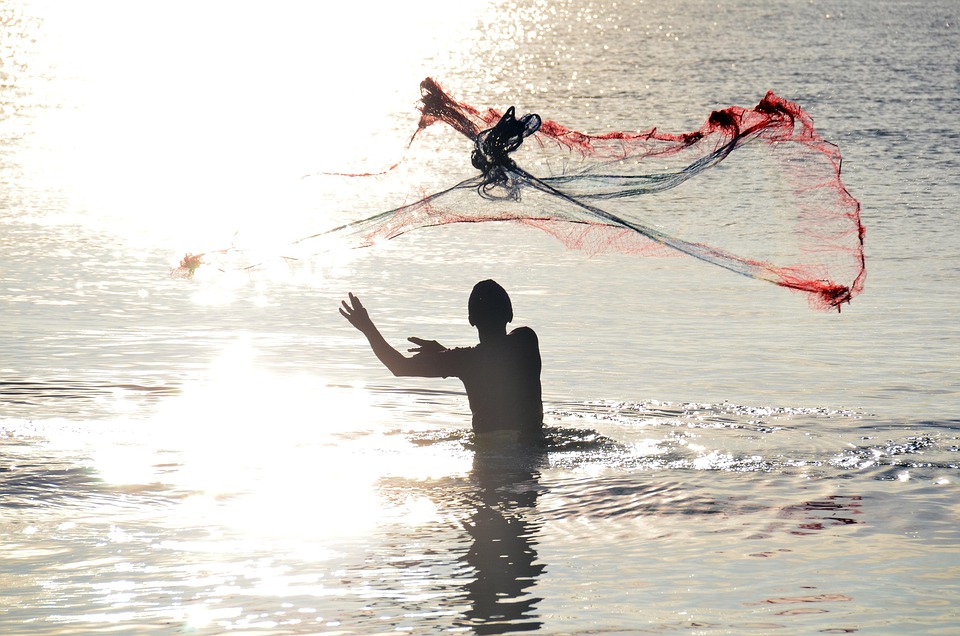
Freshwater fly fishing, a blend of art and science, draws enthusiasts from all walks of life. Whether it’s the tranquility of a babbling brook or the challenge of hooking a trophy fish, fly fishing transcends mere sport—it becomes a lifestyle.
The Roots of Fly Fishing
The practice of fly fishing dates back over 2,000 years, with its origins in Macedonia. Literature from Roman times recounts anglers using artificial flies made from feathers and fur. The modern form of the sport began to take shape in the 19th century in England, where it became popularized through the writings of Izaak Walton and his seminal work, “The Compleat Angler.”
The Art of Fly Tying
A key component of fly fishing is the art of fly tying, the process of creating artificial flies that mimic the appearance and movement of aquatic insects or baitfish. Fly tying is intricate and demands patience and skill. Each fly is an artistic construct, often requiring specialty materials like deer hair, beads, and synthetic threads.
Tyers develop personal patterns—some unique to regional waters—leading to a community where creativity is encouraged and celebrated. As the saying goes among anglers, “If you can tie it, you can fish it.”
The Science Behind Casting
The mechanics of casting a fly rod involve understanding the physics of motion—the timing, angle, and force required to achieve optimal distance and accuracy. Casting a fly requires coordination and finesse, as the angler must rhythmically retrieve line while liberating the line into the air.
Casting techniques such as the double haul, roll cast, and overhead cast each have distinct applications depending on environmental conditions and fishing targets. A successful cast depends on the timing of the rod’s movement in relation to the line’s load—a balance that takes time and practice to master.
The Ecosystem Connection
Freshwater fly fishing is deeply intertwined with environmental concerns. The practice promotes conservation efforts, encouraging anglers to respect and protect waterways. Many fly fishers adopt a catch-and-release ethic, understanding the importance of sustaining fish populations for future generations.
Organizations like Trout Unlimited work diligently to restore and preserve vital freshwater habitats, advocating for clean water policies and sustainable fishing practices. By participating in these initiatives, anglers become stewards of the environment.
Choosing the Right Gear
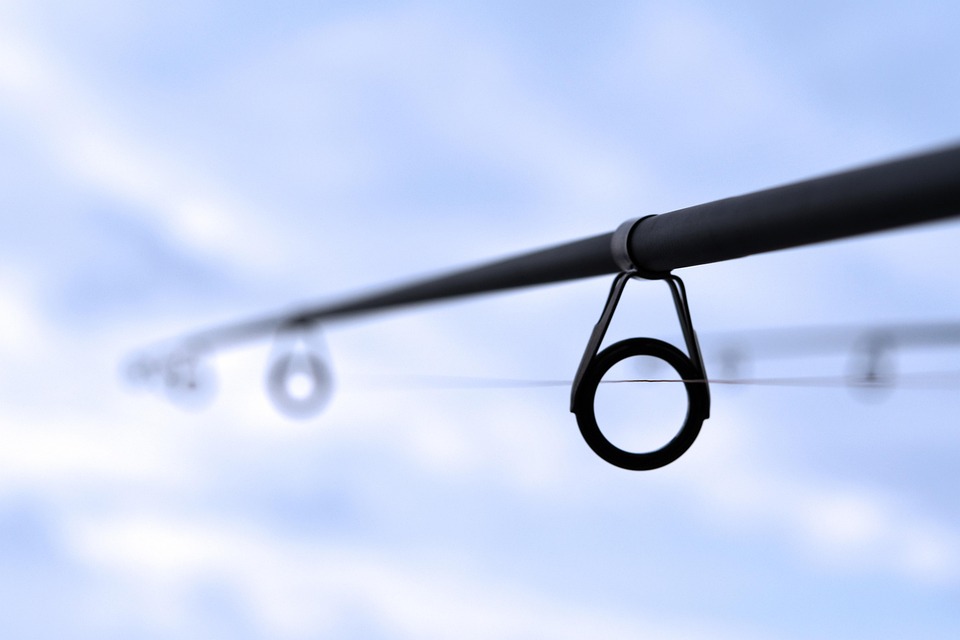
Selecting appropriate gear is crucial for successful fly fishing. A rod, typically between 8 to 10 feet long for freshwater species, should match the weight of the fly line being used. The reel must be sturdy yet lightweight, designed to withstand the fish’s vigorous fight.
Fly lines come in various types: weight-forward for distance casting, sinking for deeper waters, and floating for classic surface techniques. Matching the line to the fishing environment is essential for effective casting and presentation of the fly.
The Community Aspect of Fly Fishing
Fly fishing fosters a strong sense of community, often bringing together people from diverse backgrounds. Local clubs and online forums serve as platforms for learning, sharing experiences, and organizing events. These communities thrive on camaraderie, drawing members together over shared passions and experiences.
Traveling for Fly Fishing
The allure of fly fishing extends beyond home waters, inspiring anglers to travel to renowned destinations like the rivers of New Zealand, the streams of the American West, or the lakes of Patagonia. Each locale offers unique challenges and experiences, compelling anglers to adapt their techniques and gear.
Exploring new waters connects anglers to diverse ecosystems and cultures, creating memories that last a lifetime. Adventures often lead to friendships and shared stories, reinforcing the bond among fishing enthusiasts.
Challenges and Rewards of Fly Fishing
Like any sport, fly fishing presents its own set of challenges. Weather conditions, water temperatures, and fish behaviors can vary, testing an angler’s skills. Moreover, the rapid pace of modern life can make it difficult for individuals to find time to unwind by the water.
Yet, the rewards of fly fishing far outweigh the challenges. The thrill of a successful catch, the meditative state achieved while casting, and the beauty of nature all create an experience that enriches the soul. Anglers often reflect on the personal growth that comes from patience, resilience, and mindfulness cultivated on the water.
The Future of Fly Fishing
As freshwater ecosystems face the strains of climate change, pollution, and overfishing, the future of fly fishing rests on the shoulders of the community. Educating new anglers about ethical practices and environmental stewardship is pivotal. Innovations in gear technology and sustainable materials also play a role in shaping the next generation of the sport.
Moreover, with the rise of social media and online platforms, the fishing community has expanded dramatically. Content sharing has democratized access to knowledge, allowing anglers to learn from diverse perspectives while promoting awareness and appreciation for the art of fly fishing.
Frequently Asked Questions
1. What is fly fishing?
Fly fishing is a method of angling that uses a lightweight artificial fly to catch fish. It differs from conventional fishing methods due to its use of specialized gear and techniques.
2. What gear do I need to start fly fishing?
Essential gear includes a fly rod, fly reel, fly line, and a selection of flies. Protective clothing, including waders and boots, may also be beneficial depending on the fishing environment.
3. Can beginners learn fly fishing?
Absolutely! Beginners are encouraged to take classes, join local clubs, or find an experienced mentor. Community support is essential for learning the craft.
4. What species can I catch with fly fishing?
Common species targeted in freshwater fly fishing include trout, bass, panfish, and salmon, among others. The specific species will depend on regional waters and conditions.
5. Is catch and release important?
Yes, catch and release is crucial for sustaining fish populations and preserving aquatic ecosystems. Many fly fishers practice this ethic to ensure future generations can enjoy the sport.
- advanced fly fishing
- bass fly fishing
- dry fly fishing
- fly casting techniques
- fly fishing
- fly fishing destinations
- fly fishing flies
- fly fishing for beginners
- fly fishing gear
- fly fishing guides
- fly fishing reels
- fly fishing rivers
- fly fishing rods
- fly fishing species
- fly fishing techniques
- fly fishing tips
- fly tying
- fly tying patterns
- freshwater fly fishing
- lake fly fishing
- nymph fishing
- river fly fishing
- salmon fly fishing
- saltwater fly fishing
- steelhead fly fishing
- stream fly fishing
- streamer fishing
- trout fly fishing
- wet fly fishing
- worldwide fly fishing











Leave a comment