












Zander jigging has emerged as a thrilling and effective method for targeting one of Europe’s most sought-after freshwater species. Known for their sharp teeth and aggressive predatory behavior, zander present both a challenge and an ultimate reward for anglers. While they can be elusive, mastering the art of jigging can significantly increase your catch rate. In this article, we’ll delve deeply into the techniques, gear, and strategies that will enhance your zander jigging experience, ensuring success on the water.
Understanding Zander Behavior
Before you embark on your zander jigging adventure, it’s crucial to understand the fish you are trying to catch. Zander (Sander lucioperca), often found in the waters of central and eastern Europe, are nocturnal hunters that thrive in low-light conditions. Key aspects of zander behavior include:
- Habitat: Zander prefer deeper waters with structures such as submerged logs, rocks, and vegetation.
- Feeding Patterns: They tend to hunt in schools and are known to be ambush predators that strike quickly.
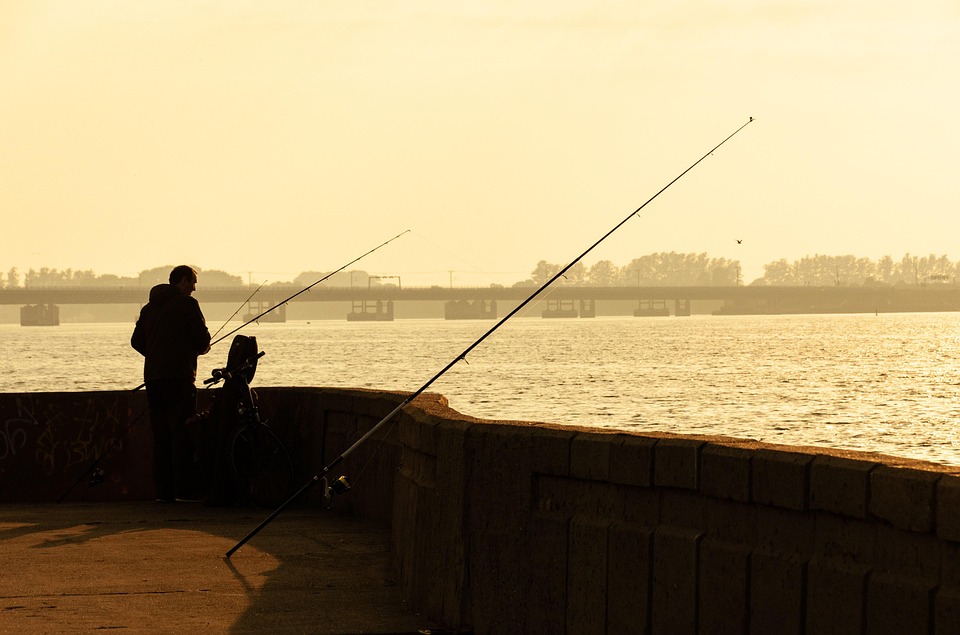
- Time of Day: Early mornings and late evenings are the most productive times for zander fishing.
This knowledge is essential in selecting the right time and location for jigging, allowing you to streamline your efforts for maximum success.
Essential Gear and Equipment
The right gear can make or break your zander jigging experience. Here’s a breakdown of the essential equipment you need:
Rods and Reels
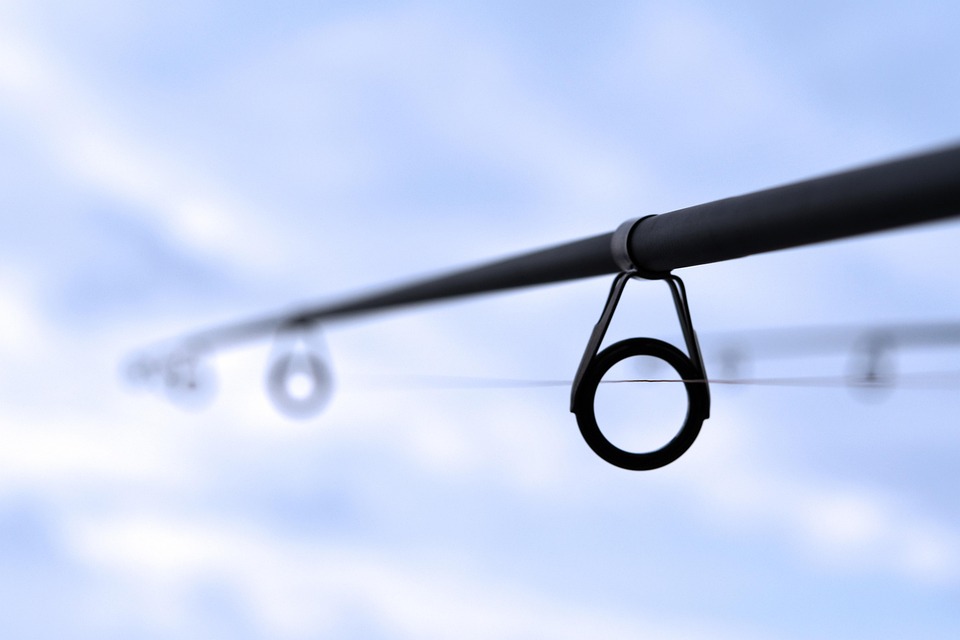
- Rod Length: A medium to medium-heavy spinning rod, ranging from 6.5 to 7.5 feet, will provide the perfect balance between sensitivity and strength.
- Reel: A robust spinning reel in the 2500 to 4000 range will ensure smooth line retrieval and enough drag capacity for fighting larger zander.
Line and Leader
- Main Line: Use a high-quality braided line with a test strength of 10-20 lbs. This allows for excellent sensitivity and reduced stretch.
- Leader Line: A fluorocarbon leader of about 15-30 lbs is recommended as it offers abrasion resistance without sacrificing invisibility.
Jig Heads and Lures
The choice of jigs and lures greatly influences your chances of success. Here are the top recommendations:
- Jig Head: Use a weighted jig head between 10-30 grams, depending on water depth and current strength.
- Lures: Soft plastic shads, twisters, and grubs in natural colors (shad, perch, or white) are excellent choices. Lure size can range from 3 to 6 inches.
Jigging Techniques
Now that you have the right gear, mastering jigging techniques is key to enticing zander. Here are some effective methods to try:
Vertical Jigging
This technique is especially effective in deeper waters. Here’s how to do it:
- Drop your jig straight down below the boat until it reaches the bottom.
- Once on the bottom, use short, quick lifts of the rod to create an erratic motion.
- Maintain contact with the bottom to understand the terrain and attract zander to the lure.
Casting and Retrieving
For shallow waters and when zander are actively feeding near the surface, casting and retrieving can be effective:
- Cast your jig out and allow it to sink to the bottom.
- Retrieve with steady lifts and pauses to resemble a wounded prey.
- Vary your retrieve speed to identify what works best for the day.
Drop-Shot Technique
This technique is often overlooked but can yield great results:
- Rig the drop-shot so that the hook is suspended above the sinker, keeping your lure off the bottom.
- Use subtle twitches to entice strikes without letting the lure touch the bottom.
- This method is particularly effective when fishing around structures where zander might be hiding.
Seasonal Considerations
Timing your fishing trips according to seasons can significantly improve your success rate. Here’s how zander behavior changes throughout the year:
- Spring: After spawning, zander are hungry, making this an excellent time to fish.
- Summer: Zander may move deeper during the heat; focus on early mornings or late evenings.
- Autumn: As water temperatures drop, zander become more active in search of food.
- Winter: Ice fishing can be productive, especially in deeper waters with the right gear.
Best Locations for Zander Jigging
Knowing where to find zander is just as important as the gear and techniques. Popular locations include:
- Rivers: Fast-flowing sections with eddies are ideal areas to explore.
- Lakes: Look for deeper areas near underwater structures, especially where baitfish congregate.
- Reservoirs: The variability of depth and habitat in these areas provides excellent opportunities for zander.
Conclusion
Mastering the art of zander jigging combines knowledge of fish behavior, the right equipment, and effective techniques. By understanding their environment, adapting your approach to seasonal changes, and employing diverse jigging methods, you can significantly improve your chances of landing a prized zander. Remember to be patient and enjoy the process. Every cast is an opportunity, and with persistence, success is within your reach!
FAQs
1. What is the best season for zander jigging?
The best seasons are typically spring and autumn, when zander are most active and hungry.
2. What rod length is ideal for zander jigging?
A rod length of 6.5 to 7.5 feet is recommended for balance and sensitivity.
3. Are zander more active at certain times of the day?
Yes, early morning and late evening are often the most productive times for zander fishing.
4. How deep should I fish for zander?
It depends on the season and time of day, but zander are generally found in deeper waters, especially during warmer months.
5. Can I use live bait instead of jigs?
Yes, live bait can be effective, but jigs are preferred for their ability to mimic injured prey and give anglers more control over the presentation.
- advanced predator fishing
- aggressive fish fishing
- barracuda fishing
- barracuda lure fishing
- freshwater predator fishing
- large predator fishing
- muskie fishing
- muskie lure fishing
- pike fishing
- pike lure fishing
- predator angling
- predator fishing
- predator fishing baits
- predator fishing destinations
- predator fishing for beginners
- predator fishing gear
- predator fishing guides
- predator fishing lures
- predator fishing reels
- predator fishing rigs
- predator fishing rods
- predator fishing seasons
- predator fishing spots
- predator fishing tactics
- predator fishing techniques
- predator fishing tips
- predatory fish fishing
- saltwater predator fishing
- zander fishing
- zander jigging






Leave a comment