










Catfish fishing is an exhilarating experience for many angling enthusiasts. These bottom-dwelling fish are known for their tenacity and size, making them a popular target among both novice and seasoned fishermen. Understanding catfish fishing seasons—and when and where to cast your line—can enhance your fishing experience significantly. This guide delves into the best times of year, optimal locations, and effective techniques to help you secure a satisfying catch.
Understanding Catfish Habitats
Catfish can be found in a variety of ecosystems across North America and beyond. They prefer warm waters, often inhabiting rivers, lakes, and ponds. The following are common habitats where catfish thrive:
- Rivers: Flowing waters often attract catfish, especially in deeper pools and eddies.
- Lakes: Still waters provide excellent catfishing spots, particularly near submerged structures.
- Ponds: Smaller bodies of water can be surprisingly fruitful for catfish.
- Reservoirs: Man-made lakes created by damming rivers host various catfish species.
Identifying Catfish Species
Before diving into the fishing seasons, it helps to know the different types of catfish commonly targeted by anglers:
- Channel Catfish: The most common type found in North America; they are adaptable and thrive in both natural and man-made bodies of water.
- Flathead Catfish: Known for their flattened heads and aggressive behavior, they often occupy deeper waters.
- Bullhead Catfish: Typically smaller, these are bottom feeders and are best caught using bait.
- Blue Catfish: The largest of the four, blue catfish can weigh over 100 pounds and are commonly found in large rivers and lakes.
Fishing Seasons: When is the Best Time to Catch Catfish?
The best time to fish for catfish varies depending on the season, location, and specific species. Let’s explore how the seasons influence catfish behavior:
Spring
Spring marks the awakening of catfish after the winter months. As the water temperatures begin to rise (around 60°F to 70°F), catfish become more active, making spring an excellent time to fish. During this season:
- Breeding Activity: Catfish seek shallow waters to spawn, making them more accessible to anglers.
- Best Locations: Riprap areas, gravel beds, and tree roots near the shore are ideal spots to find catfish.
Summer
Summer can be both rewarding and challenging. Water temperatures can soar, causing catfish to seek cooler depths during the hottest parts of the day. Key points for summer fishing include:
- Early Morning and Late Evening: Target these times for the best results, as catfish come out to feed.
- Staying Deeper: Focus on deep channels and submerged structures during peak heat.
Fall
As the water cools in the fall, catfish are in a feeding frenzy to prepare for winter. Anglers can take advantage of this behavior:
- Bait Choices: Fresh cut bait and live bait work exceptionally well as catfish bulk up before the colder months.
- Best Locations: Look for catfish near river mouths, shallow flats, and near structures where baitfish congregate.
Winter
While many anglers hang up their rods during winter, catfish can still be caught through ice fishing in below-freezing temperatures. During winter:
- Finding Catfish: Look for catfish in deeper waters and under ice where they can conserve energy.
- Bait Selection: Utilize scented baits, as catfish may have a diminished sense of smell in colder waters.
Where to Fish for Catfish: Prime Locations
Finding the right location can significantly impact your chances of landing a catfish. Here are some renowned catfishing hotspots across the United States:
- Lake Texoma: Renowned for its blue catfish population, this reservoir straddles the Texas and Oklahoma border.
- Mississippi River: This massive river offers various fishing opportunities, particularly for trophy-sized catfish.
- James River: Located in Virginia, this river is known for its large flathead catfish.
- Lake Mitchell: In Alabama, this lake boasts a healthy channel catfish population.
Effective Techniques and Gear for Catfish Fishing
Once you’ve identified the right time and place, it’s essential to have the right gear and techniques to maximize your success:
Fishing Techniques
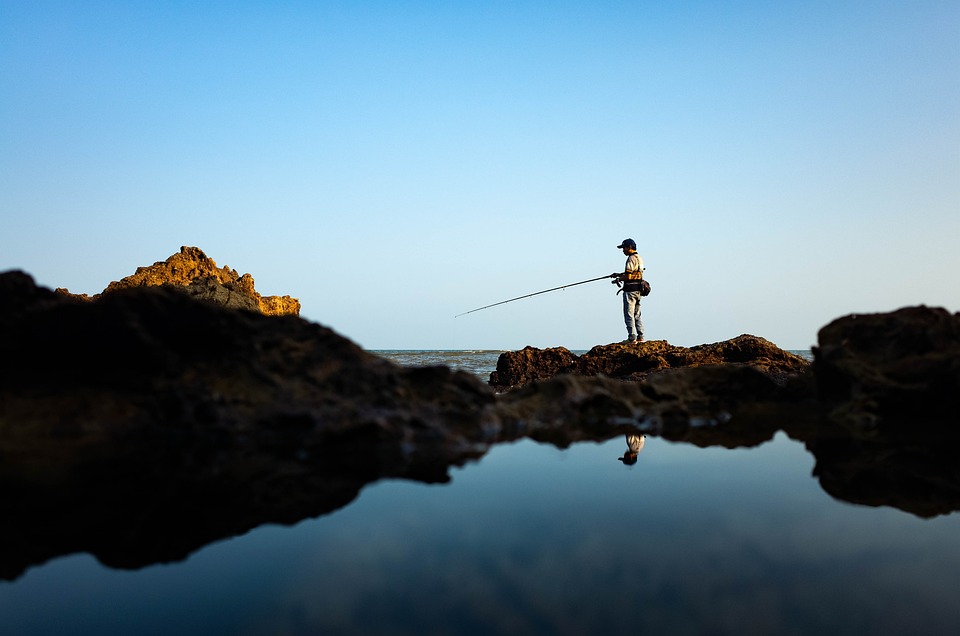
- Bank Fishing: Cast your line from the shore into your chosen spot, ideally near structures where catfish are likely to be hiding.
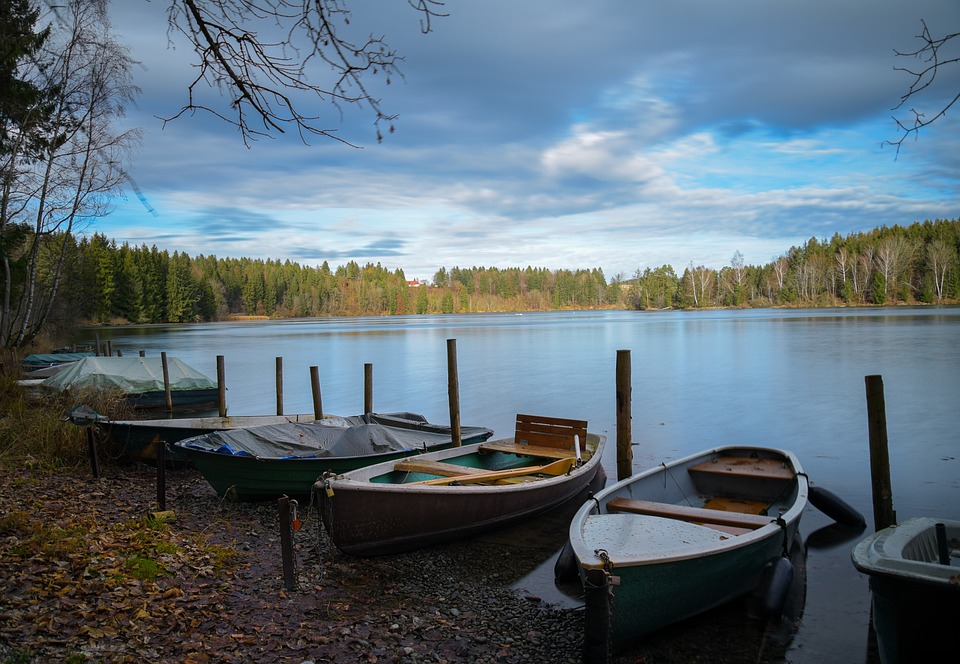
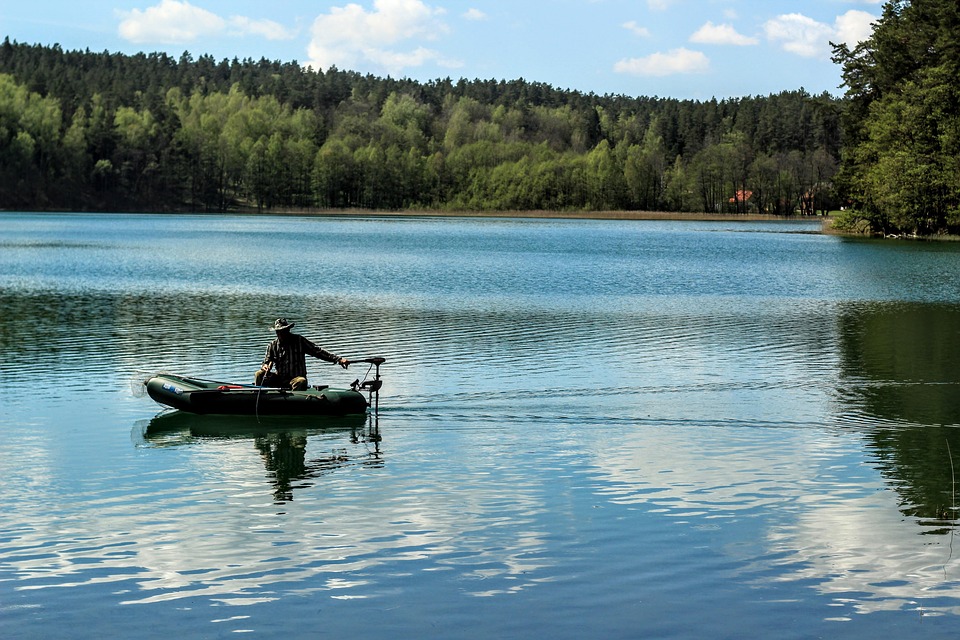
- Boat Fishing: Utilizing a boat widens your options, allowing you to explore deeper waters.
- Jug Fishing: Involves using floatation devices that carry bait on a line, allowing you to cover larger areas.
Essential Gear
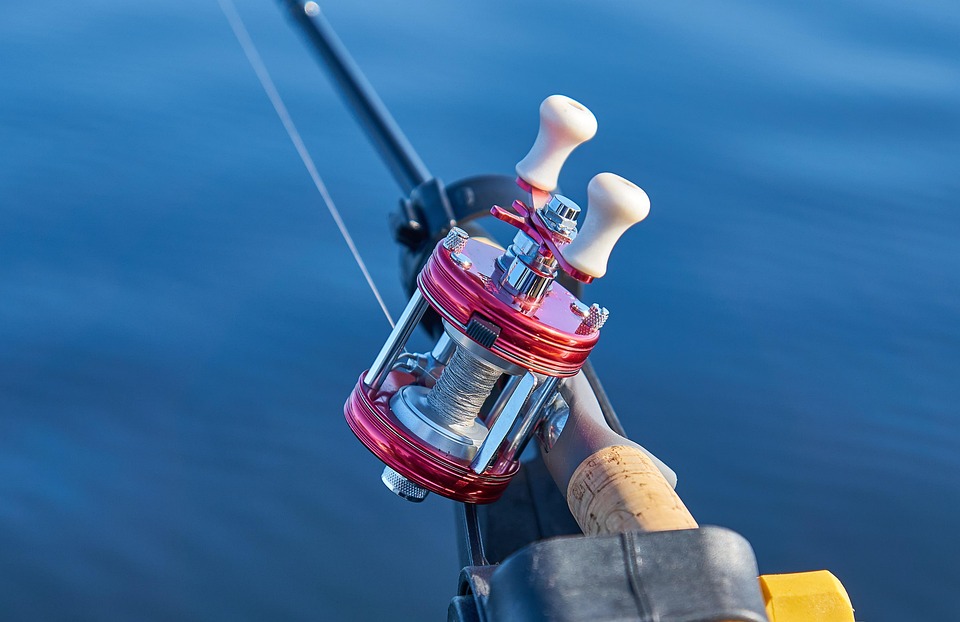
- Rods and Reels: A medium or heavy-action rod paired with a reel capable of holding 20-30 lb test line works well.
- Bait: Cut bait, chicken liver, and live bait (like minnows or nightcrawlers) are excellent choices.
- Hooks: Use strong hooks (size 2/0 to 8/0) that can handle the weight of a big catfish.
Conclusion
Catfish fishing can be a fulfilling and enjoyable way to spend your time outdoors. By understanding the seasonal behaviors of catfish, knowing where to fish, and utilizing effective techniques, you’ll enhance your chances of success. Whether you’re looking for a casual day on the water or aiming for a personal best, the right preparation and knowledge will make all the difference. Remember, every fishing trip provides an opportunity to connect with nature and create lasting memories, so be patient and enjoy the journey.
FAQs
1. What is the best bait for catfish?
Some of the best baits for catfish include cut bait (like shad or herring), chicken liver, nightcrawlers, and stink bait. Experiment with different baits to see what works best in your area.
2. What time of day is best for catfishing?
The best times to fish for catfish are early morning and late evening, particularly during the warmer months. They tend to be more active during these cooler periods.
3. Can catfish be caught in the winter?
Yes, catfish can be caught during the winter months, often through ice fishing techniques. They will typically be found in deeper areas where the water remains above freezing.
4. Where can I find catfish in rivers?
In rivers, look for catfish near deeper pools, submerged structures, and areas where there is current. Eddies and slack water can be particularly productive spots.
5. What is the largest catfish ever caught?
The largest catfish ever caught on record was a Mekong giant catfish weighing around 646 pounds. However, many anglers target catfish in the range of 20-100 pounds for sport.
- bait fishing seasons
- bass fishing seasons
- best fishing times
- bluegill fishing seasons
- carp fishing seasons
- catfish fishing seasons
- crappie fishing seasons
- fishing seasons
- fly fishing seasons
- inshore fishing seasons
- jigging seasons
- marlin fishing seasons
- muskie fishing seasons
- offshore fishing seasons
- panfish fishing seasons
- pike fishing seasons
- popping seasons
- sailfish fishing seasons
- salmon fishing seasons
- seasonal fishing for beginners
- seasonal fishing guides
- seasonal fishing guides worldwide
- seasonal fishing strategies
- seasonal fishing tips
- shark fishing seasons
- spinning fishing seasons
- trolling seasons
- trout fishing seasons
- tuna fishing seasons
- walleye fishing seasons
- zander fishing seasons








Leave a comment