









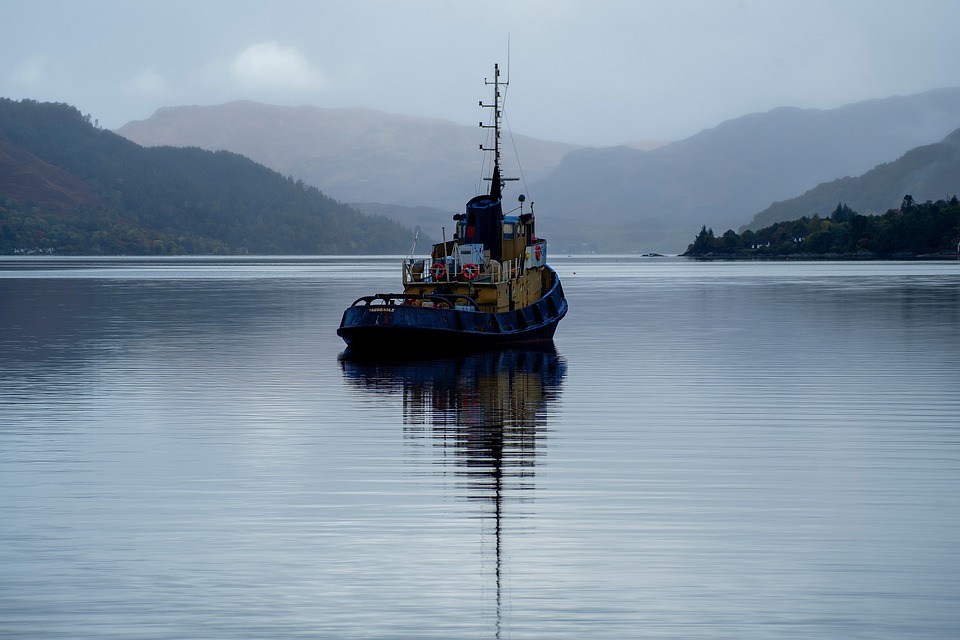








Pier fishing is more than just a hobby; it’s an adventure that draws enthusiasts to the coastline, where the rhythmic crashing of waves meets the thrill of the catch. With its simplicity and accessibility, pier fishing offers both seasoned anglers and curious beginners the opportunity to connect with nature and partake in an age-old tradition. In this guide, we will explore everything from the best locations to essential gear, techniques, and tips for a successful pier fishing adventure.
Why Choose Pier Fishing?
For many, pier fishing represents the perfect blend of ease and excitement. Here are a few reasons why this coastal activity has gained immense popularity:
- Accessibility: Piers are often conveniently located and don’t require a boat, making them an ideal option for those without extensive fishing resources.
- Variety of Species: Piers attract a plethora of fish species, from snapper to mackerel, allowing for diverse fishing experiences.
- Community: Fishing piers often foster a sense of community, with anglers sharing techniques, stories, and camaraderie.
- Scenic Views: The stunning coastal vistas and the soothing sound of the ocean enhance the overall experience.
Choosing the Right Pier
Selecting the right pier can greatly influence your fishing success. Here are some tips for choosing a productive spot:
- Research Local Hotspots: Certain piers are known for their abundant fish populations. Look online or consult local fishing communities to find the best locations.
- Time of Year: Different species are prevalent during various seasons. Understanding seasonal patterns can significantly improve your chances of a good haul.
- Tides and Weather: Fish are more active during specific tidal movements. Pay attention to tidal schedules and weather patterns to optimize your fishing times.
Essential Gear for Pier Fishing
Your success in pier fishing will largely depend on the gear you choose. Here’s a list of essential equipment:
1. Fishing Rod and Reel
Selecting the right rod and reel is crucial. A medium-heavy spinning rod, typically between 7 to 10 feet long, is ideal for casting farther and reeling in larger species. Match it with a reel that can handle the weight of the fish you’re targeting.
2. Fishing Line
Monofilament or braided line in the 20-30 lb test range is generally suitable for most pier fishing conditions. Braided line offers increased sensitivity and strength, making it a popular choice for those targeting larger fish.
3. Hooks and Tackle
Diverse hook sizes and types are essential for different species. Consider using:
- Circle hooks for catch-and-release
- Offset hooks for live bait
A tackle box filled with sinkers, swivels, and lures will enable you to adapt to various conditions.
4. Bait
Live bait, such as shrimp or sand fleas, tends to be highly effective. However, artificial lures can also work well, especially when matching the local forage fish.
5. Accessories
Don’t forget tools like pliers, a fish gripper, and a cooler to keep your catch fresh!
Techniques for Successful Pier Fishing
Understanding effective techniques can enhance your fishing expertise. Here are some methods to consider:
1. Bottom Fishing
This technique involves casting your line to the ocean floor, using weight to keep your bait in place. It’s especially effective for targeting fish like flounder and catfish.
2. Live Bait Fishing
Using live bait increases your chances significantly. Ensure the bait is lively and well-presented; many fish are attracted to movement.
3. Jigs and Lures
Using jigs and lures can simulate the natural movement of prey, attracting predatory species. Experimenting with various colors and sizes can yield surprising results.
Understanding Fish Behavior
Knowledge of fish habits will help refine your strategy:
- Feeding Times: Fish are generally more active during dawn and dusk, making these ideal times to fish.
- Temperature: Fish prefer moderate water temperatures, typically between 65°F and 75°F. Early summer is often a prime time.
- Structures: Fish tend to congregate around structures such as pilings, rocks, or vegetation, as these provide shelter and hunting grounds.
Pier Fishing Etiquette
While pier fishing is a social activity, it is essential to respect fellow anglers and the environment. Here are some key points to keep in mind:
- Personal Space: Be mindful of your distance from other anglers, ensuring everyone has enough room to cast and reel in.
- Cleanliness: Dispose of trash and fishing waste appropriately to keep the pier clean.
- Respect Regulations: Adhere to local fishing regulations, including limits on species and size, fishing licenses, and seasonal restrictions.
Conclusion
Pier fishing is an enriching adventure that offers a blend of skill, patience, and camaraderie. Whether you’re casting your bait for the first time or you’ve spent years honing your technique, there’s always something new to learn and experience. With the right gear, techniques, and respect for the environment and fellow anglers, your pier fishing excursions will be memorable and rewarding. So grab your rod, choose a scenic pier, and immerse yourself in the world of coastal angling!
Frequently Asked Questions
1. Do I need a fishing license for pier fishing?
Yes, most states require a fishing license for recreational fishing, including from a pier. Make sure to check local regulations.
2. What is the best time of the year to go pier fishing?
Spring and summer are typically the best seasons for pier fishing, as many fish species are more active during warmer months.
3. What bait should I use for pier fishing?
Live bait such as shrimp, minnows, or sand fleas are excellent choices. However, experimenting with artificial lures can also be effective.
4. Are there any tips for beginners?
Start with simple setups, choose well-populated piers, and don’t hesitate to ask experienced anglers for advice. Remember, fishing is as much about the experience as it is about the catch.
5. How can I prepare my catch after fishing?
If you decide to keep your catch, make sure to handle it properly. Place it in a cooler with ice right away, and clean it soon after returning home to ensure freshness.
- barracuda fishing
- beach fishing
- big game fishing
- bluewater fishing
- boat fishing
- coastal fishing
- deep ocean fishing
- deep sea fishing
- drift fishing
- grouper fishing
- jigging fishing
- kingfish fishing
- mahi mahi fishing
- marlin fishing
- ocean fishing
- offshore fishing
- pier fishing
- reef fishing
- sailfish fishing
- saltwater angling
- saltwater fishing
- saltwater fishing guides
- shark fishing
- shore fishing
- snapper fishing
- sport fishing
- surf fishing
- trolling fishing
- tuna fishing







Leave a comment