

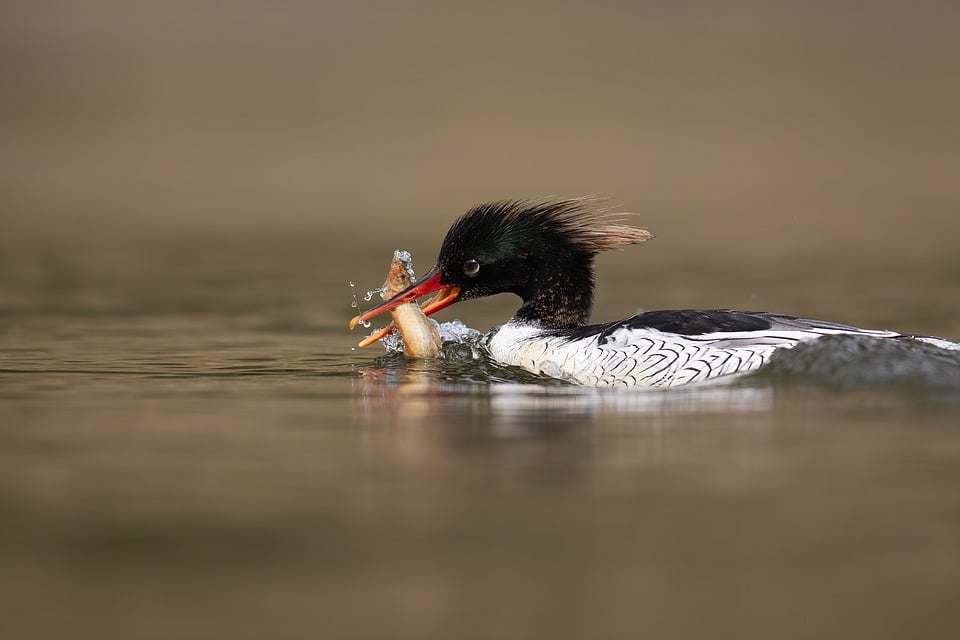
















Catfishing has surged in popularity over the past decade, enticing both novice anglers and seasoned veterans to the banks of rivers and lakes. The allure of catching these bottom-dwelling fish lies not only in their size but also in their remarkable fighting spirit. To successfully reel in a hefty catfish, using the right bait is paramount. This feature article delves deep into proven bait techniques that can elevate your catfishing game.
The Science of Catfish Feeding Habits
Understanding the feeding habits of catfish is crucial to selecting the right bait. Catfish are opportunistic feeders, meaning they will eat a variety of foods based on their environment. Their diet typically includes:
- Smaller fish
- Invertebrates
- Plant matter
- Food waste and human refuse in urban waters
Catfish possess an excellent sense of smell, allowing them to detect baits from considerable distances. This sensory prowess makes strong-smelling baits particularly effective. For example, baits such as shad, chicken liver, or stink bait can be highly attractive to catfish in various water bodies.
Top Bait Techniques for Catfishing
1. Natural Baits
Natural baits are often the most effective for catfishing, largely because they mimic the fish’s natural diet. Here are some popular options:
- Live Bait: Using live bait such as minnows or nightcrawlers can entice catfish due to their natural movement and scent.
- Cut Bait: Cut pieces of fish (like shad or herring) are effective for larger catfish. The blood and scent released into the water create an inviting trail for nearby fish.
- Chicken Liver: This classic bait is not only cheap and accessible but also has a pungent smell that catfish find irresistible. It’s recommended to use bait holders to keep it secured on the hook.
2. Stink Baits
Stink baits are synthetic or natural concoctions designed to attract catfish through their strong odor. They can be found in various forms:
- Dough Balls: Made from cheese, bread, or other ingredients mixed with oils and scents, dough balls can be custom-made to attract catfish.
- Commercial Stink Bait: Store-bought options are available in jars and tubes; they often contain a unique blend of fish products, oils, and spices.
3. Punch Baits
Punch baits are thick mixtures typically found in jars that anglers can apply to a hook. To use punch bait effectively:
- Use a treble hook to hold more bait on the hook.
- Be patient; catfish may take time to locate the scent but will often bite when they do.
4. Prepared Baits
Prepared baits combine various ingredients to create a strong-smelling option. These can include:
- Cheese-based Baits: Cheddar cheese and other strong-smelling cheeses can be mixed with additional ingredients to make a potent bait.
- Fish Meal Baits: These are commercially produced and often include fish meal, oils, and other scents to attract catfish.
Seasonal Considerations for Bait Selection
Choosing the right bait is also influenced by the time of year. Here’s how you can tailor your bait selection to different seasons:
- Spring: As catfish become more active post-winter, natural baits like worms and live minnows are effective.
- Summer: The heat pushes catfish deeper, making scent-heavy baits like stink bait more successful.
- Fall: With the approaching winter, catfish feed heavily. Use larger cut baits to catch larger fish.
- Winter: During colder months, catfish slow down. Use smaller, more concentrated baits like jigs tipped with shrimp or worms.
Specific Locations and Bait Types
Different water environments can also influence which bait is most effective:
- Lakes: In lakes with ample baitfish, using cut bait or live bait mimicking local forage is advantageous.
- Rivers: Fast current areas work well with heavier baits, while deep holes could be ideal for stink bait or dough balls.
- Reservoirs: If the water is murky, consider using bright-colored baits that stand out for visibility.
Presentation Techniques
Even the best bait can go unnoticed if not presented correctly. Here are some effective presentation techniques:
- Carolina Rig: This rig allows bait to float just above the bottom, where catfish typically feed.
- Slip Bobber Rig: This method allows anglers to target fish at various depths while still being able to detect and adjust to bites.
- Freestyle Rigging: Offering live bait on a straight line allows for natural movement that can increase catfish attraction.
Tips for Success
Enhancing your catfishing experience goes beyond just bait selection and presentation:
- Location: Research the best catfishing spots and be attentive to water temperature, flow rates, and structural elements like rocks and logs.
- Timing: Catfish tend to feed more actively during dawn and dusk; plan your trips accordingly.
- Patience: Catfishing often requires waiting. Resist the urge to repeatedly check your line and give the catfish time to find your bait.
Conclusion
Catfishing can be both an enjoyable and rewarding angling experience. Armed with an understanding of catfish feeding habits, the best types of bait, seasonal variations, and effective presentation techniques, anglers can increase their chances of landing that trophy fish. Experiment with different baits and local conditions to discover what works best for you. By paying attention to these strategies, you can transform your catfishing outings and create a wealth of unforgettable memories on the water.
FAQs
What are the best natural baits for catfish?
Popular natural baits include live bait like minnows or nightcrawlers, cut bait from fish like shad or herring, and chicken liver.
Why are stink baits effective for catfish?
Stink baits are packed with strong scents that attract catfish, stimulating their sense of smell and guiding them to your hook.
How do the seasons affect catfish feeding habits?
Catfish become more active in spring and fall, while summer heat drives them deeper. Using scent-heavy baits during summer, for instance, can increase your chances of success.
What is the best presentation for catfish bait?
The Carolina rig and slip bobber rig are popular choices, as they allow bait to float above the bottom and target fish at varying depths, respectively.
What time of day is best for catfishing?
Catfish tend to be more active during dawn and dusk, making these times ideal for angling.
- advanced catfish fishing
- blue catfish fishing
- catfish angling
- catfish bait
- catfish fishing
- catfish fishing for beginners
- catfish fishing gear
- catfish fishing guides
- catfish fishing reels
- catfish fishing rods
- catfish fishing seasons
- catfish fishing spots
- catfish fishing tactics
- catfish fishing techniques
- catfish fishing tips
- catfish hooks
- catfish rigs
- catfish species
- channel catfish fishing
- cut bait catfish fishing
- deep water catfish fishing
- flathead catfish fishing
- lake catfish fishing
- live bait catfish fishing
- monster catfish fishing
- night catfish fishing
- river catfish fishing
- shallow water catfish fishing
- stink bait catfish fishing
- trophy catfish fishing



















Leave a comment