














Catfishing isn’t just an angling pastime; it’s an experience steeped in camaraderie, patience, and the thrill of the chase. For first-time fishers looking to cast their line and discover the joys of this fascinating activity, knowing the basics can make all the difference. Here’s your ultimate guide to getting started with catfishing.
Understanding Catfish
Catfish thrive in freshwater environments across North America, with the most common varieties being the channel catfish, blue catfish, and flathead catfish. These fish are known for their whisker-like barbels, which they use to sense their environment, making them unique and interesting to catch.
Why Catfish? Catfish are a popular choice for beginners due to their abundance, aggressive feeding patterns, and relatively easy catchability. Additionally, catfishing offers remarkable versatility; whether you prefer shore fishing, kayak fishing, or deep-water techniques, there’s a method for everyone.
Essential Gear for Beginners
Your tackle box doesn’t need to be overflowing with high-end gear. For first-time catfishers, investing in a few essential items will set you on the path to success.
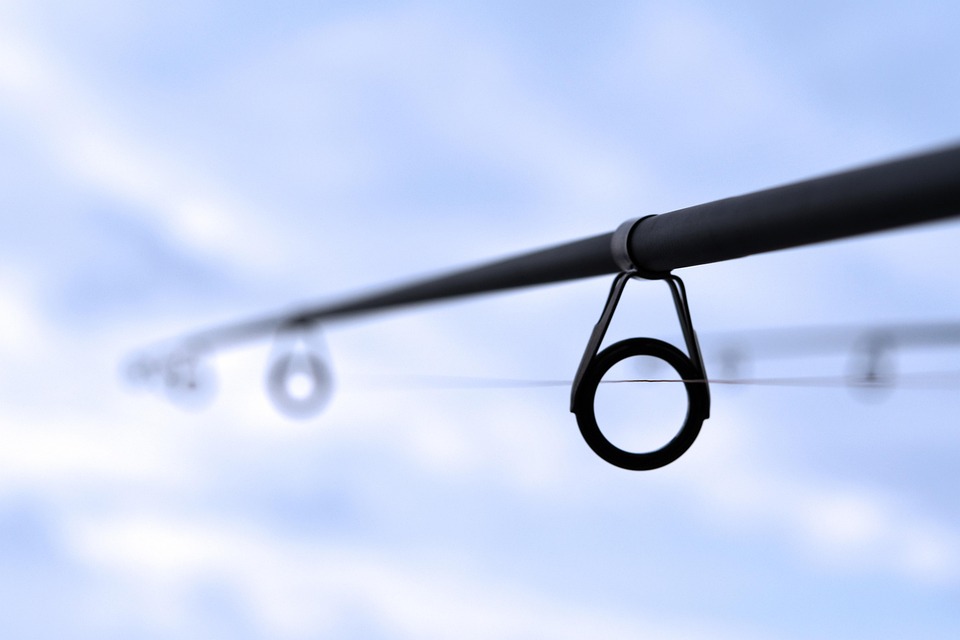
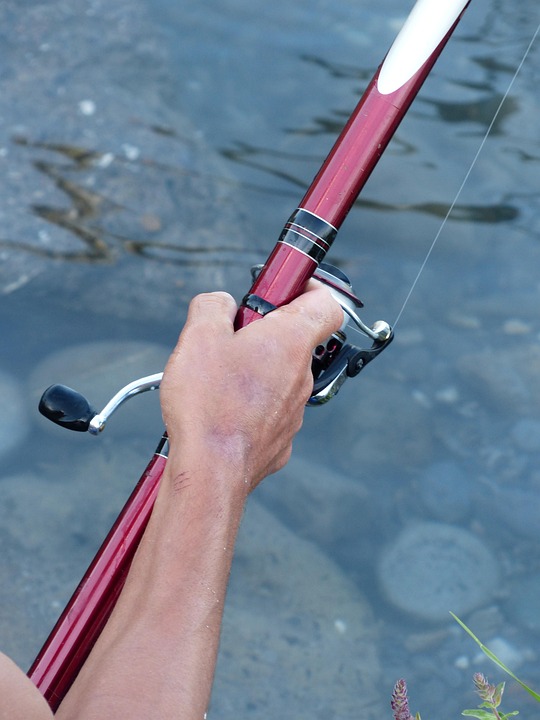
- Rod and Reel: Choose a medium to heavy-action rod that is at least 6.5 to 7 feet long. Pair this with a spinning or baitcasting reel that has a capacity suitable for heavier lines.
- Line: Opt for a braided line of 20-30 lb test. Braided lines have a smaller diameter and greater strength, perfect for reeling in catfish.
- Hooks: Circle hooks in sizes 4/0 to 8/0 work best. These hooks are designed to hook the fish in the corner of the mouth, making catch-and-release easier and improving your hook-up rate.
- Bait: Catfish are opportunistic feeders. Popular baits include live or cut bait (like shad, minnows, or chicken liver), as well as stink baits and dough balls.
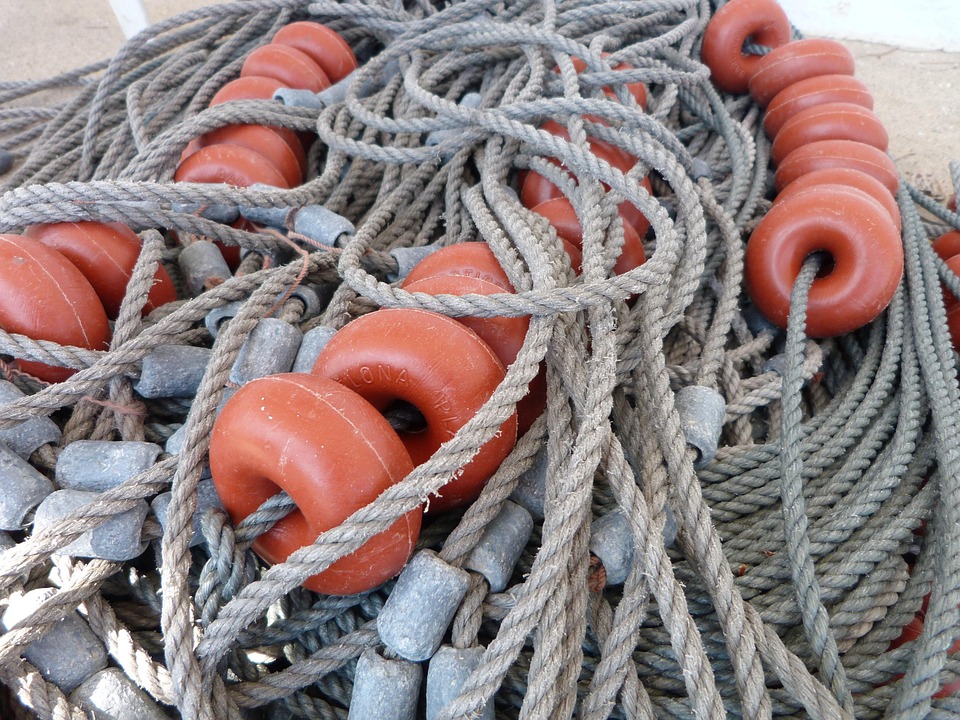
- Terminal Tackle: Be sure to include weights, swivels, and floaters in your tackle box. Depending on your fishing method, these can help keep your bait in the strike zone.
Choosing the Right Location
Finding the right spot is crucial for a successful catfishing experience. While catfish can be found in rivers, lakes, and ponds, certain locations are more promising than others:
1. Structure is Key
Catfish love structures like rocks, submerged logs, and vegetation where they can hide. Look for areas near dams, current breaks, and drop-offs, as these spots often attract baitfish, drawing catfish in as well.
2. Time of Day Matters
Evening and nighttime are often the best times to fish for catfish, as they tend to feed more actively during these hours. Early mornings can also be productive, especially in warmer months.
3. Seasonal Considerations
Spring and fall are prime seasons for catfishing. During the spring, catfish are spawning and will be more active. In the fall, they feed heavily before winter, offering excellent fishing opportunities.
Techniques for First-Time Fishers
Once you’re at the water, the next step is mastering some basic techniques.
Bait Casting
Using a simple bait and sinker rig is an effective method for first-timers. Slide a weight onto your line, tie on a swivel, and attach a leader line with your baited hook on the end. Cast your line near structures or likely spots, and wait. Be prepared to feel subtle tugs or jerks on your line before setting the hook!
Bottom Fishing
Bottom fishing is a classic catfishing method. Use heavier weights to keep your bait near the bottom where catfish roam. This method works exceptionally well if you’re fishing in rivers with substantial currents.
Use of Bobbers and Floats
A bobber can help keep your bait suspended at a specific depth. This technique is particularly effective in lakes or ponds where you want to avoid snagging the bottom.
Patience is a Virtue
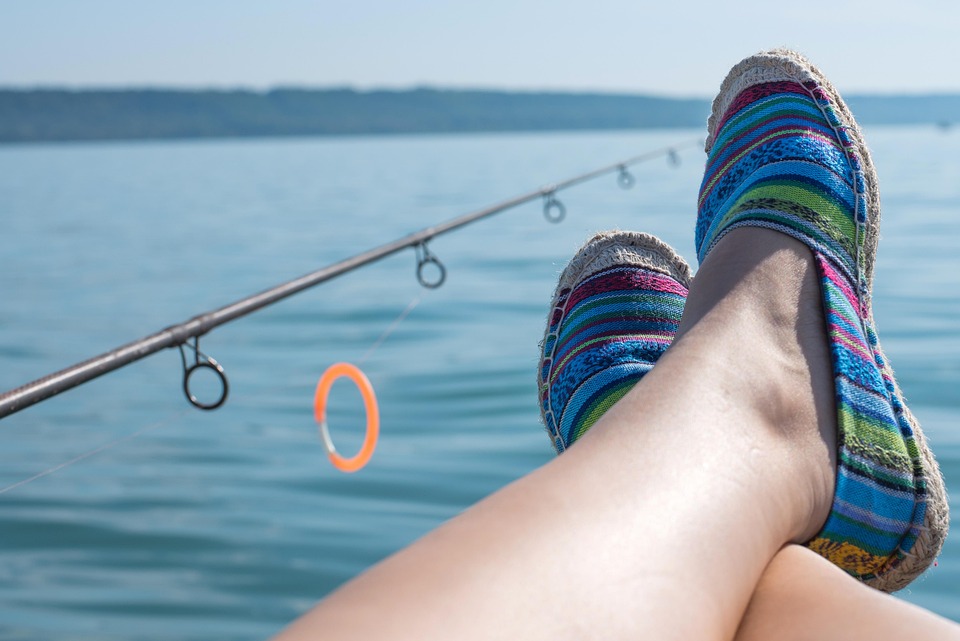
Fishing can test your patience. It’s crucial not to get discouraged if you don’t catch anything right away. Sometimes, good things come to those who wait. Moreover, catfishing is often about spending quality time with friends or family, rather than just about the catch. Bring snacks, drinks, and a comfortable chair to make your trip enjoyable, regardless of the outcome.
Regulations and Conservation
Before heading out, familiarize yourself with local fishing regulations. Each state has its own rules regarding licensing, size and bag limits, and designated fishing seasons. Practicing catch-and-release can also contribute to maintaining healthy fish populations and promoting sustainable fishing practices.
Conclusion
Embarking on your catfishing journey as a first-timer can be both exciting and intimidating. However, with the right gear, techniques, and attitude, you can enjoy a rewarding and relaxing fishing experience. Remember to take your time, learn from each outing, and, most importantly, have fun! Whether you bring home a big catch or simply enjoy the serenity of nature, catfishing can provide memories that will last a lifetime.
FAQs
1. Do I need a fishing license to catch catfish?
Yes, most states require a fishing license for any fishing activity, including catfishing. Be sure to check your local regulations to ensure compliance.
2. What’s the best time of year to go catfishing?
Spring and fall are generally the best times for catfishing. Catfish are most active during their spawning season in spring and are often seen feeding aggressively in the fall.
3. Can I catch catfish during the day?
While catfish are more active at night, they can still be caught during the day, especially in deeper waters or near structures.
4. What type of bait should I use for catfish?
Live or cut bait, such as shad or chicken liver, are particularly effective. Stink baits and dough balls are also popular choices among anglers.
5. How do I set the hook properly?
When you feel a tug on the line, wait a few seconds to ensure the catfish has fully taken the bait before you set the hook by pulling up sharply.
- advanced catfish fishing
- blue catfish fishing
- catfish angling
- catfish bait
- catfish fishing
- catfish fishing for beginners
- catfish fishing gear
- catfish fishing guides
- catfish fishing reels
- catfish fishing rods
- catfish fishing seasons
- catfish fishing spots
- catfish fishing tactics
- catfish fishing techniques
- catfish fishing tips
- catfish hooks
- catfish rigs
- catfish species
- channel catfish fishing
- cut bait catfish fishing
- deep water catfish fishing
- flathead catfish fishing
- lake catfish fishing
- live bait catfish fishing
- monster catfish fishing
- night catfish fishing
- river catfish fishing
- shallow water catfish fishing
- stink bait catfish fishing
- trophy catfish fishing















Leave a comment