
















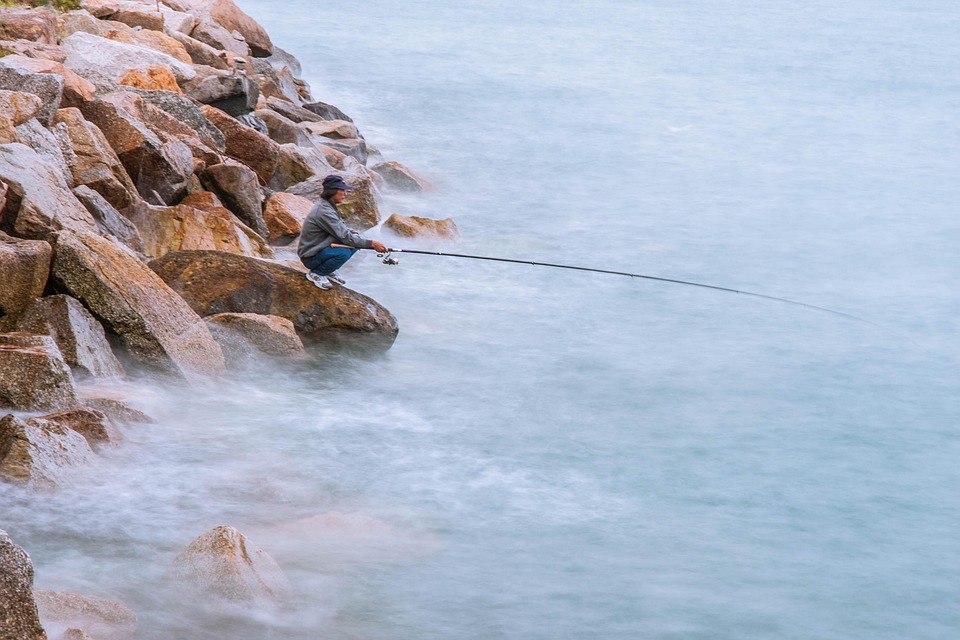
The Art of the Dry Fly: Mastering the Techniques for Success
Few sights are as enchanting as watching a fish rise to a well-placed dry fly. For many anglers, fly fishing is more than just a sport; it is an art form that marries patience, skill, and knowledge of nature. Among the myriad fly fishing techniques, dry fly fishing stands out as a hallmark of precision and elegance. This article delves into the art of the dry fly, exploring techniques that will help both novice and seasoned anglers master this revered method of fishing.
Understanding Dry Flies
Dry flies are designed to float on the surface of the water, imitating terrestrial insects or fish prey such as mayflies, caddisflies, and stoneflies. They are unique in their construction; buoyancy is key. Dry flies often feature materials like deer hair, foam, or synthetic fibers that enable them to stay afloat. The beauty of using a dry fly lies in its ability to engage the fish’s instinctive behavior—watching them rise to a surface fly can be exhilarating.
Choosing the Right Gear
To succeed in dry fly fishing, the right gear is essential. Here are the main components you’ll need:
- Rod and Reel: A light to medium-action rod (usually 8-9 feet) is ideal for dry fly fishing. The reel should have a smooth drag to handle quick runs.
- Line: Floating line is critical. It helps keep the fly on the surface while providing sensitivity for detecting strikes.
- Leader and Tippet: A tapered leader line (7-9 feet) helps transfer energy from the line to the fly. A tippet (typically 4X-6X for dry flies) is the final connection to the fly.
Fly Selection
The choice of dry fly pattern can greatly affect your success. Understanding the local aquatic life will help you select the right flies. For instance:
- Adams: A classic pattern great for imitating a variety of mayflies.
- Parachute Adams: Offers visibility on the water while mimicking several species.
- Caddisflies: Look for flies like the Elk Hair Caddis, which best match this prevalent food source.
- Terrestrials: Patterns like the Ant or Grasshopper are excellent choices during warmer months.
Reading the Water
Effective dry fly fishing begins with reading the water. Understanding fish behavior is crucial. Look for:
- Riffles: Areas with fast currents can create turbulence, attracting fish.
- Pools: Deeper areas where fish may hold and lay in wait for food.
- Drifts: Observing the flow of the water will help identify the best spots to cast your fly.
Presentation Techniques
Proper presentation is key when employing a dry fly. Here are some techniques to master:
- Drag-Free Drift: Aim to present the fly in a way that it moves naturally with the current. This often requires adjusting your casting angle and line control.
- Casting Techniques: Use a high cast to land the fly softly on the water’s surface. A gentle presentation can help you avoid spooking fish.
- Finesse: Use subtle movements of the rod to keep the line taught without jerking the fly. This will enhance the realism of your presentation.
The Importance of Stealth
Fish are easily spooked, making stealth a critical aspect of dry fly fishing. Here are a few tips:
- Approach the water slowly and keep low to the ground.
- Minimize noise; avoid disturbances that might alert the fish.
- Be mindful of controlling your shadow; fish can sense movement from above.
Catching the Strike
Detecting strikes is a vital skill. Unlike conventional fishing methods, where the fish might go for a baited hook, dry fly fishing relies on the visual cues of the angler. Here are common signs:
- Watching the Fly: Pay close attention to the fly. A subtle dip, swirled movement, or the fly disappearing are good indicators of a strike.
- Setting the Hook: When you see a strike, remain calm and react promptly. A quick lift of the rod should set the hook without jerking too hard, which could easily result in a missed opportunity.
Adapting to Conditions
Successful anglers adapt their strategies based on weather and water conditions. Here are a few considerations:
- Time of Day: Early mornings and late evenings often yield the best results as fish are more active and the water is cooler.
- Weather Changes: Overcast days may encourage fish to rise, making it an excellent time for dry fly fishing.
- Seasonal Adjustments: Pay attention to insect hatches and adjust fly patterns accordingly.
Practice and Patience
As in any art form, mastering dry fly fishing requires practice and patience. Make it a point to spend time on the water, experimenting with different techniques, gear, and locations. Keeping a fishing journal can also be helpful; documenting what works and what doesn’t can guide future attempts.
Fishing Etiquette
Finally, never underestimate the importance of fishing etiquette. Be mindful of other anglers, follow local regulations, and respect the environment. Leave no trace, ensuring you leave the area as pristine as you found it. Healthy ecosystems lead to thriving fish populations, benefitting everyone in the long run.
Conclusion
Mastering the art of dry fly fishing is a rewarding journey that encompasses skill, knowledge, and a deep appreciation for nature. By understanding the inner workings of dry flies, choosing the right equipment, mastering the techniques, and respecting the environment, any angler can enhance their experience on the water. Whether you’re a beginner or an experienced fly fisher looking to refine your craft, the world of dry fly fishing offers endless opportunities for growth and discovery. So grab your rod, select a fly, and embark on a captivating adventure in the great outdoors—an unforgettable experience awaits on the surface of the water, where skill meets artistry and patience pays off.
FAQs
1. What is the best time of year for dry fly fishing?
The best time for dry fly fishing varies by region, but generally, spring and early fall are ideal as many insect hatches occur during these times. Additionally, early mornings and late evenings are often when fish are most active.
2. How do I know which fly pattern to use?
Research the local aquatic life and observe what insects are present in and around the water. Fly fishing guides and local fishing shops can provide valuable insights into effective patterns for your specific location and time of year.
3. What should I do if the fish aren’t biting?
If fish are not biting, consider changing your fly pattern, adjusting the size of your tippet, or altering your presentation technique. Observing the water and experimenting with different approaches can improve your chances.
4. How can I improve my casting skills for dry fly fishing?
Practice is key to improving casting skills. Spend time in open areas, focusing on accuracy, distance, and your casting technique. Watching instructional videos and practicing different casting styles, such as the double haul, can also be beneficial.
5. What are some common mistakes anglers make when dry fly fishing?
Common mistakes include using the wrong fly pattern, failing to manage line drag, casting too hard, or spooking fish with sudden movements. Focus on stealth and a gentle approach to enhance your success rates.
- advanced fly fishing
- bass fly fishing
- dry fly fishing
- fly casting techniques
- fly fishing
- fly fishing destinations
- fly fishing flies
- fly fishing for beginners
- fly fishing gear
- fly fishing guides
- fly fishing reels
- fly fishing rivers
- fly fishing rods
- fly fishing species
- fly fishing techniques
- fly fishing tips
- fly tying
- fly tying patterns
- freshwater fly fishing
- lake fly fishing
- nymph fishing
- river fly fishing
- salmon fly fishing
- saltwater fly fishing
- steelhead fly fishing
- stream fly fishing
- streamer fishing
- trout fly fishing
- wet fly fishing
- worldwide fly fishing














Leave a comment