


















Fishing is an age-old pastime that has evolved into a highly skilled art and science. Whether you are a seasoned angler or a novice casting your first line, certain techniques can drastically improve your likelihood of a successful catch. This comprehensive feature will delve into proven methods that can enhance your fishing experience, from understanding fish behavior to mastering bait selection.
Understanding Fish Behavior
To catch more fish, one must first understand the fundamental behavior of the species they are targeting. Fish are influenced by various factors including:
- Weather Conditions: Fish are active during specific weather conditions. Overcast skies often lead to increased activity, while a bright sunny day may push fish deeper.
- Water Temperature: Different fish species thrive in varying temperatures. Typically, freshwater fish prefer water between 60°F and 75°F.
- Time of Day: Early morning and late evening are often the best times to fish, as many species feed during these periods.
- Water Clarity: Clear water may require more natural-looking bait, while murkier conditions can allow for brighter, more vibrant lures.
Choosing the Right Gear
Your fishing gear can significantly impact your success rate. Key components include:
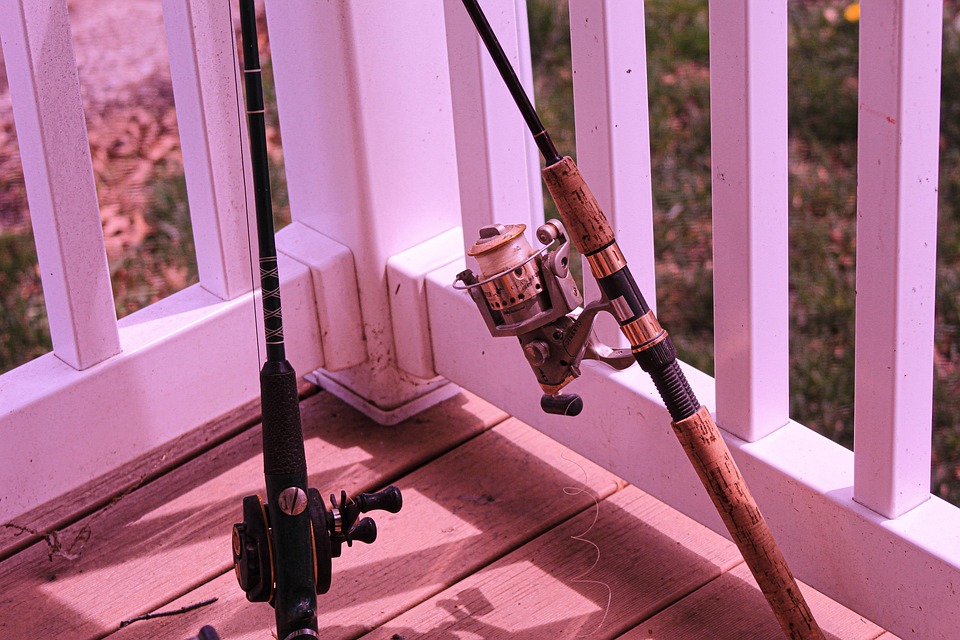
- Rod and Reel: The selection of rod and reel should align with your target species. A lighter setup is suitable for panfish, while heavier gear is best for bigger game like bass and pike.
- Line Strength: Choose a line that matches your fishing conditions and target species. Higher test lines are necessary for stronger fish to avoid breakage.
- Hooks: The right hook size can make a substantial difference. A hook that’s too big or too small may result in fewer bites.
Bait Selection
Bait selection is paramount to effective fishing. Here are some guidelines to help you choose wisely:
- Live Bait: Worms, minnows, and other live bait often yield excellent results due to their natural scent and movement.
- Soft Plastic Lures: These mimic the action of real bait and can be used in various conditions. Experiment with different colors and sizes.
- Spinnerbaits and Jigs: These lures are versatile and can be used effectively in different scenarios, particularly in murky waters.
Techniques for Success
1. Casting Techniques
Proper casting can enhance your chances of landing a catch. Focus on accuracy and distance. Techniques such as:
- Overhand Cast: This is ideal for long-distance casting and is a staple technique for many anglers.
- Sidearm Cast: Useful for tight spaces or when aiming at specific targets like cover or structure.
2. Fishing in the Right Spots
Knowing where to fish is just as important as how to fish. Look for:
- Weed Lines: Fish often congregate near vegetation for shelter and food.
- Drop-offs: Sudden changes in depth can attract fish as they find comfort in deeper waters during the heat of the day.
- Structures: Rocks, fallen trees, and other underwater structures can provide hiding spots for fish.
3. Patience and Timing
Fishing often requires patience. Spending time in the right spot can yield better results than moving frequently. Use a variety of techniques and wait for the fish to come to you.
Seasonal Fishing Strategies
Fish behavior can change with the seasons, and understanding these changes can significantly increase your catch rate.
- Spring: Fish are spawning; therefore, focus on shallow areas where they gather to breed.
- Summer: Target deeper waters during peak heat and concentrate on early mornings or late evenings.
- Fall: As temperatures drop, fish will move to cooler waters; look for feeding frenzies as they prepare for winter.
- Winter: Ice fishing can be effective. Use smaller lures and present them slowly.
Conservation Practices
As fishermen, it is our responsibility to practice sustainable fishing. Follow these practices:
- Catch and Release: If you do not plan to eat your catch, practice catch and release to help maintain fish populations.
- Respect Limits: Always adhere to local regulations regarding catch limits and sizes.
- Minimize Ecosystem Impact: Avoid fishing in spawning areas and refrain from littering.
Conclusion
Fishing is more than just a way to catch fish; it’s a means to connect with nature and enjoy the outdoors. By understanding fish behavior, selecting the right gear, and employing proven techniques, you can significantly increase your chances of a successful day on the water. Always remember to fish responsibly and sustainably to ensure future generations can enjoy this beloved pastime.
FAQs
1. What is the best time to fish?
The best times to fish are typically at dawn and dusk when fish are more active, though this can vary based on the species and season.
2. How can I tell if I’ve hooked a fish?
You’ll usually feel a tug or pull on your line, and sometimes you’ll see your line moving or hear a click from your reel.
3. What should I do if I catch a fish?
Handle the fish carefully to minimize stress and injury. If you’re keeping the fish, follow local guidelines for handling and cleaning. If releasing, do so quickly and gently.
4. Do I need a fishing license?
Yes, in most places, a fishing license is required. Check local regulations to ensure compliance.
5. How often should I change my fishing line?
It’s advisable to check your line regularly for wear and tear, and replace it at least once a year or more frequently if it shows signs of damage.
- fishing bait tips
- fishing gear hacks
- fishing hacks
- fishing knot guides
- fishing knot techniques
- fishing knot tying
- fishing knots
- fishing knots for advanced
- fishing knots for beginners
- fishing leader knots
- fishing line knots
- fishing loop knots
- fishing lure tips
- fishing rig guides
- fishing rig hacks
- fishing rig setups
- fishing rig tips
- fishing rig tricks
- fishing rigs
- fishing strategies
- fishing techniques
- fishing tips
- fishing tips and tricks
- fishing tips for beginners
- fishing tips for experts
- fishing tips for freshwater
- fishing tips for saltwater
- fishing tips online
- fishing tricks
- fishing tricks for better catch












Leave a comment