










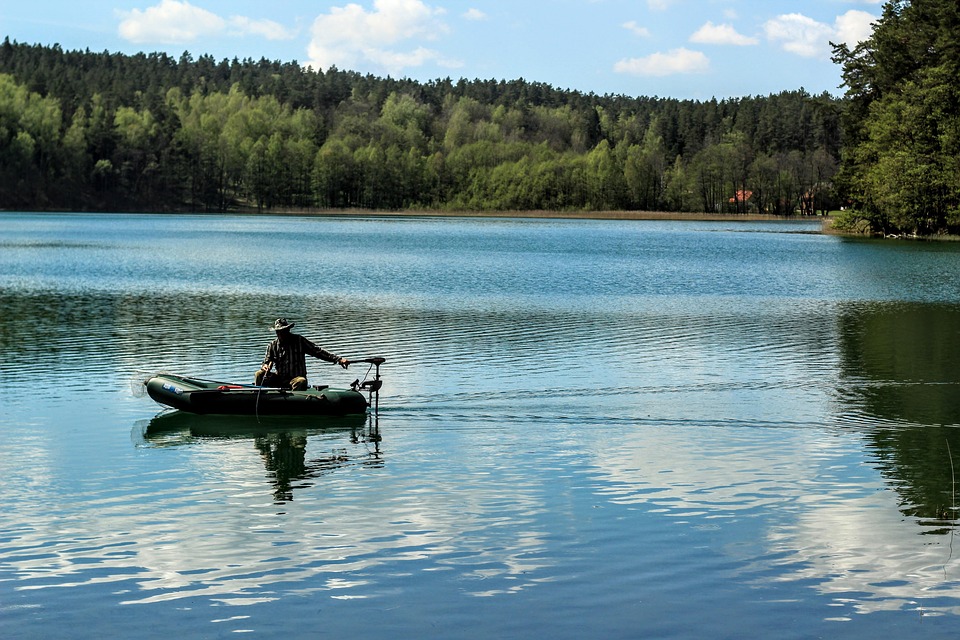
Freshwater fishing has long captivated anglers with its serene settings and the promise of a mighty catch. Among the countless species lurking beneath the surface, it’s the freshwater predators that deliver the most exhilarating experience. Species like pike, muskellunge, and catfish—each known for their size, ferocity, and elusive nature—offer a unique challenge and thrill to those passionate about fishing.
The Allure of Freshwater Predators
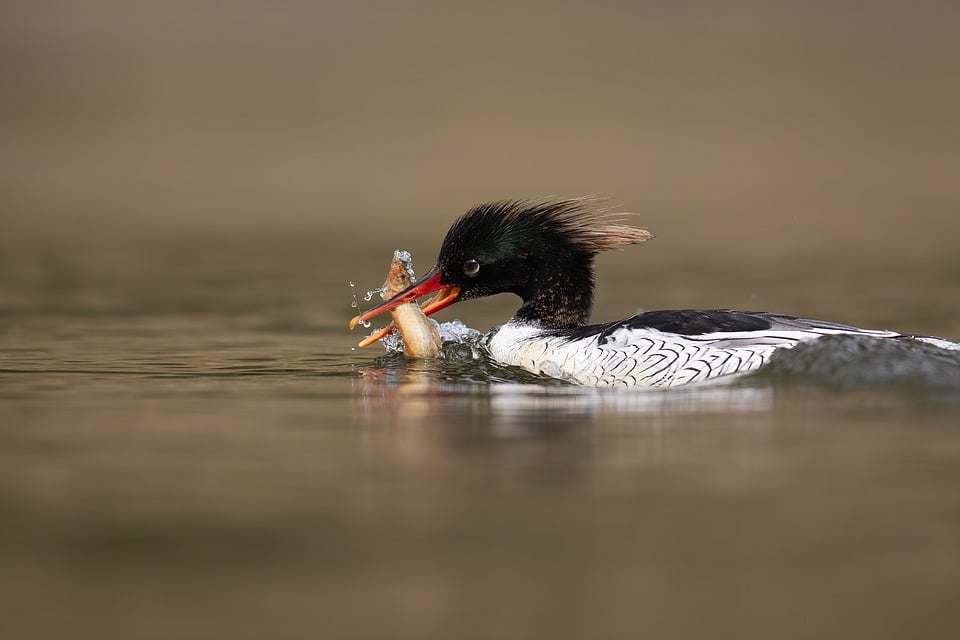
Freshwater predators are not only impressive due to their size and strength, but they also play a vital role in maintaining the health of aquatic ecosystems. Predators regulate fish populations, control the numbers of competing species, and help maintain the overall balance. For anglers, these giants represent a trophy and a test of skill.
As any experienced angler will testify, there’s a distinct buzz that comes when setting out to capture these formidable fish. Every cast mimics a dance between hunter and prey, where strategy, patience, and a little bit of luck converge to create an unforgettable experience.
Key Freshwater Predators
Understanding the behavior and habitats of these giants can significantly enhance the chances of a successful catch:
Pike
The northern pike (Esox lucius) is a formidable predator characterized by its long, slender body and formidable teeth. Typically found in lakes, rivers, and marshes, pike can grow up to 50 inches long, with some exceptional specimens exceeding even that. They thrive in weedy areas where they can ambush unsuspecting prey.
Muskellunge
The muskellunge (Esox masquinongy), or muskie, is often revered as the fish of 10,000 casts due to its size and elusiveness. Found primarily in the waters of the Great Lakes and several inland waterways, muskie can exceed 50 inches in length. Their predatory nature and protective instincts make them a challenging target.
Catfish
Common catfish, including species like the channel catfish and flathead catfish, are widely distributed throughout North America. These fish can grow exceptionally large, with flatheads reaching lengths of 50 inches or more. Catfish are primarily nocturnal and exhibit a unique hunting strategy, often using their enhanced tactile senses to locate prey.
The Techniques of the Trade
Catching these giants requires not only knowledge of their habits but also the right techniques and tools. Here are some critical strategies:
Choosing the Right Gear
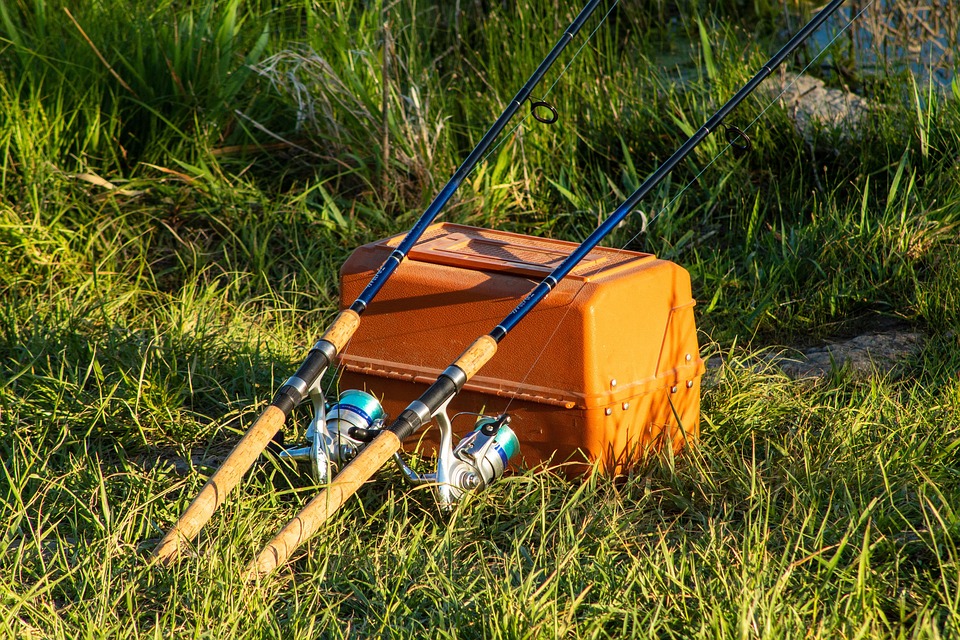
- Rod and Reel: A heavy-duty rod and a reel with a robust drag system are essential for battling powerful predators.
- Line: Braided lines with a higher test strength help prevent breakage during the fight.
- Lures and Bait: Large lures that mimic smaller fish or natural baits like live shad can be effective in attracting these predators.
Location is Key
Understanding where these fish are likely to be found is paramount. Look for:
- Weedy areas and submerged structures where they can hide and ambush prey.
- Deep holes and ledges in rivers where catfish often rest during the day.
- Inlets and coves where fish congregate during spawning seasons.
Timing Your Catch
Predators are often more active during dawn and dusk, known as the “golden hours.” Targeting these times can increase your odds significantly. Seasonal changes also play a role; during warmer months, fish tend to be more aggressive and readily take bait.
The Fight: Battling with Giants
Once a predator bites, the exhilarating battle begins. The rush of adrenaline, coupled with the anxiety of losing a prized fish, creates an unforgettable experience. Here are some tips for successfully landing a freshwater giant:
- Hook Set: Ensure a solid hook set. A weak hook set can lead to losing the fish.
- Stay Calm: It’s easy to get overwhelmed. Keeping your composure will help you maintain control.
- Fight Smart: Use the rod to keep tension on the fish and avoid excessive pulling or reeling that may break the line.
Conservation and Ethical Fishing
As exciting as it is to catch these predators, sustainable practices are crucial to preserving their populations for future generations. Anglers are encouraged to:
- Practice catch and release to help maintain the population.
- Follow local regulations regarding size limits and fishing seasons.
- Avoid fishing during spawning seasons when fish populations are most vulnerable.
The Aftermath: Stories from the Water
Every fishing trip is filled with stories that resonate long after the lines are cast. Whether it’s landing a personal best or losing a gigantic fish at the boat’s edge, these moments become part of an angler’s fabric. For many, fishing is not just a pastime; it’s a tradition passed down through generations, filled with laughter and life lessons.
Anglers share tales around campfires, recounting the one that got away or the dream catch that transformed into a magnificent trophy. These stories fuel the passion for fishing and connect individuals to nature and each other. As much as it is about the fish, it’s about the experiences that come with each fishing trip.
Conclusion
The thrill of catching freshwater predators transcends the act itself; it is about connection—between the angler, the fish, and the natural environment. As you gear up for your next fishing adventure, remember to respect the space and the species inhabiting these waters. The pursuit of giants is not solely defined by the catch but by the journey, the stories shared, and the moments that etch themselves into memory.
- advanced predator fishing
- aggressive fish fishing
- barracuda fishing
- barracuda lure fishing
- freshwater predator fishing
- large predator fishing
- muskie fishing
- muskie lure fishing
- pike fishing
- pike lure fishing
- predator angling
- predator fishing
- predator fishing baits
- predator fishing destinations
- predator fishing for beginners
- predator fishing gear
- predator fishing guides
- predator fishing lures
- predator fishing reels
- predator fishing rigs
- predator fishing rods
- predator fishing seasons
- predator fishing spots
- predator fishing tactics
- predator fishing techniques
- predator fishing tips
- predatory fish fishing
- saltwater predator fishing
- zander fishing
- zander jigging








Leave a comment