













Fishing is an age-old activity that not only serves as a source of sustenance but also offers solace and relaxation to countless enthusiasts around the globe. Yet, for many beginners and even some seasoned anglers, the myriad configurations of fishing rigs can create overwhelming confusion. Understanding how to set up fishing rigs is essential for success, ensuring a pleasurable experience on the water. This article aims to demystify the primary fishing rig configurations, breaking them down into manageable concepts.
The Basics of Fishing Rigs
At its core, a fishing rig is the assembly of various components used to catch fish. The basic components of a fishing rig include:
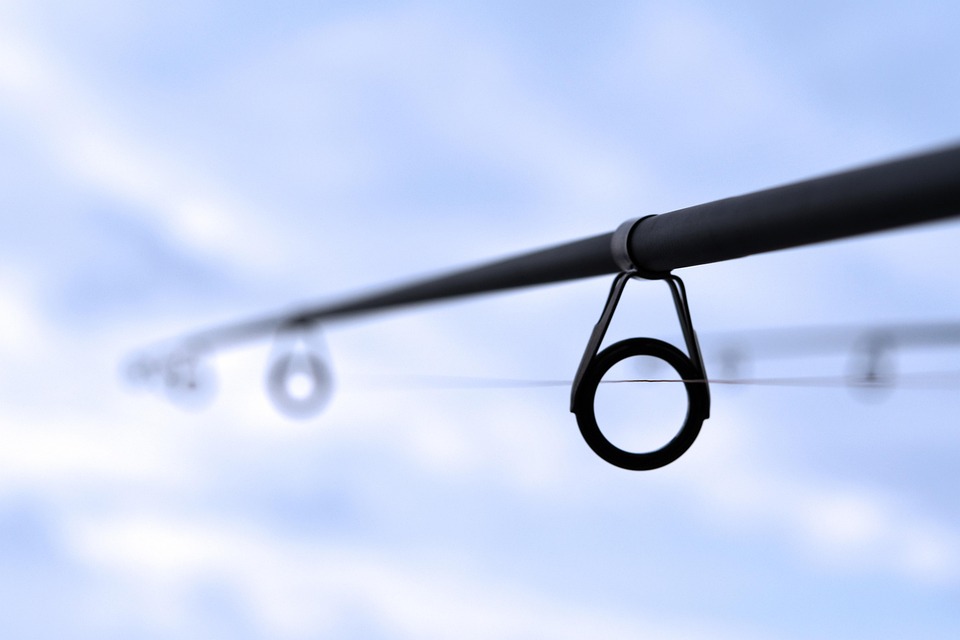
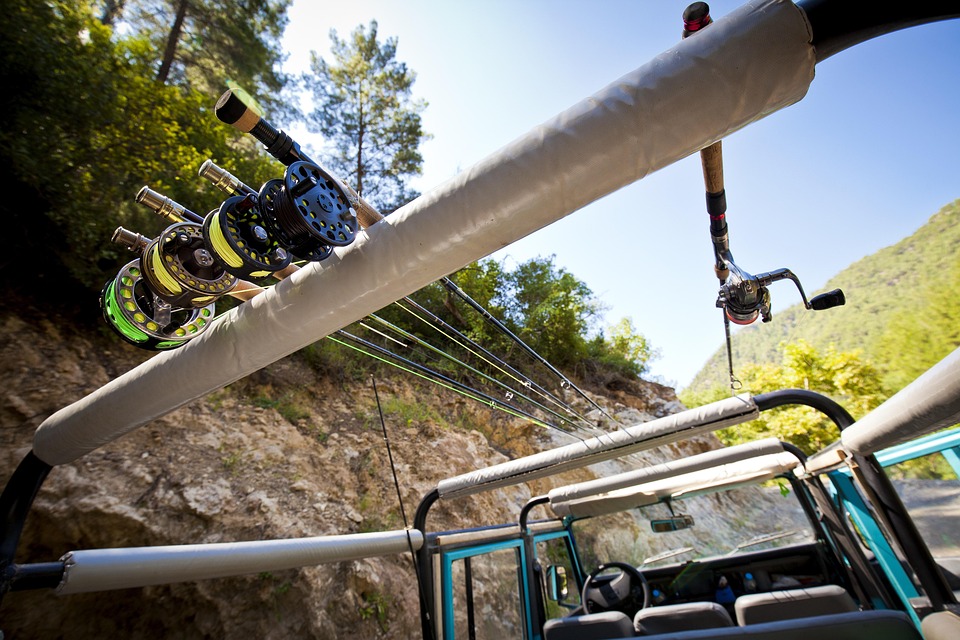
- Rod: The fishing pole that delivers the bait to the water.
- Reel: The device used to wind or release the fishing line.
- Line: The strand connecting the rod to the fish, usually made of monofilament, braid, or fluorocarbon.
- Hook: The sharp metal piece that catches the fish.
- Bait or Lure: The attractant or artificial representation of prey used to entice fish.
- Terminal Tackle: Any additional equipment connecting the hook to the line, including swivels, weights, and floats.
Common Fishing Rig Configurations
Understanding the various types of fishing rigs is crucial for targeting specific species, environmental conditions, and personal preferences. Here are some of the most common rig configurations:
1. The Carolina Rig
The Carolina rig is widely celebrated for its versatility, making it a favorite among bass anglers. It consists of a weighted slider that allows the bait to move freely. The setup begins with a heavy weight threaded onto the line, followed by a bead to protect the knot, an appropriate swivel, and finally, a leader line connected to the hook.
This configuration allows the bait to sit on or near the bottom, mimicking natural movement and enticing fish to strike.
2. The Texas Rig
Another popular bass rig, the Texas rig features a snag-free presentation. Begin by sliding a bullet weight onto the line, followed by a hook. The bait is then threaded onto the hook, which is inserted into the body of the bait to hide the hook point. This configuration allows anglers to retrieve the setup through heavy cover without snagging.
3. The Drop Shot Rig
This rig is particularly effective in deeper waters. It allows the bait to hover above the bottom, creating an enticing presentation. Start with attaching the hook to the mainline using a knot, leaving an elongated tag end to which a weight is tied. The bait can be presented in a way that mimics natural motion, attracting fish while keeping it securely above the bottom.
4. The Bobber Rig
The bobber rig is a simple yet effective way to fish using floating bait. It allows anglers to keep their bait suspended at a predetermined depth. A bobber is attached to the line above the hook, and the desired depth can be adjusted by moving the bobber stop. This configuration is especially useful for targeting panfish and trout.
5. The Spoon Rig
Spoons are metal lures designed to mimic the flash and vibration of baitfish. The spoon rig typically involves a simple connection of a spoon to a line, with the angler casting out and retrieving at varying speeds to create a natural flutter action. This configuration is particularly effective in freshwater lakes and rivers, targeting predatory fish like pike and bass.
Choosing the Right Rig for Your Environment
Knowing which rig to deploy in any given scenario can mean the difference between a successful day on the water and going home empty-handed. Here are a few pointers to consider:
- Species: Identify the primary species in your targeted body of water. Research their feeding habits and preferences to select the appropriate rig.
- Weather Conditions: Windy conditions may require heavier weights or rigs that can maintain stability. Conversely, calmer conditions may allow for lighter rigs.
- Water Depth: For deeper waters, rigs like the drop shot are ideal, while shallower areas may be better suited for bobber rigs or Carolina rigs.
- Cover: If you plan to fish in weedy or snag-heavy areas, consider using Texas rigs to reduce the chances of getting hung up.
Tips for Mastering Fishing Rigs
Once you have selected your rig, mastering its setup is key. Here are some useful tips to ensure you’re well-prepared for your fishing excursions:
- Practice Knots: Ensure you know how to tie essential knots such as the Palomar knot, improved clinch knot, and loop knot. A secure knot can be the difference between landing a big catch and losing it.
- Keep It Organized: Use tackle boxes or bags with designated compartments to keep your rigs organized. This can save time and hassle on fishing trips.
- Experiment: Try varying your rigs and techniques until you find the most effective presentation for the species you’re targeting.
- Stay Updated: Follow local fishing reports, social media groups, and forums to learn about new techniques, rigs, and seasonal patterns affecting fishing behavior.
Conclusion
Navigating the world of fishing rig configurations might seem daunting at first, but understanding the fundamentals can significantly enhance your fishing experience. By simplifying the various rig types – from Carolina to drop shot and bobber rigs – anglers can focus on the enjoyment of the sport rather than being overwhelmed by complexity. Remember, the key to successful fishing lies not just in the rigs, but also in understanding the aquatic environment and the fish you are targeting. With practice and patience, you can become adept at using these rigs, maximizing your chances of landing the big one!
FAQs
1. What is the best rig for beginners?
The bobber rig is often recommended for beginners as it is simple and allows for easy visibility of bites.
2. Can I customize my fishing rig?
Absolutely! Anglers are frequently encouraged to customize their rigs based on personal preferences and fishing conditions.
3. How do I know which hook size to use?
Hook size is determined by the species you are targeting. Research the appropriate hook sizes for your chosen fish species.
4. Should I use live bait or lures?
This largely depends on your fishing environment and personal preference. Both live bait and lures can be effective depending on the circumstances.
5. How often should I change my rigs?
Change your rig if you notice wear, damage, or if you aren’t getting bites. Experimentation is key in optimizing your approach.
- fishing bait tips
- fishing gear hacks
- fishing hacks
- fishing knot guides
- fishing knot techniques
- fishing knot tying
- fishing knots
- fishing knots for advanced
- fishing knots for beginners
- fishing leader knots
- fishing line knots
- fishing loop knots
- fishing lure tips
- fishing rig guides
- fishing rig hacks
- fishing rig setups
- fishing rig tips
- fishing rig tricks
- fishing rigs
- fishing strategies
- fishing techniques
- fishing tips
- fishing tips and tricks
- fishing tips for beginners
- fishing tips for experts
- fishing tips for freshwater
- fishing tips for saltwater
- fishing tips online
- fishing tricks
- fishing tricks for better catch









Leave a comment