









Fly fishing is not just a hobby; it’s a passion that connects anglers with nature, skill, and sometimes, the thrill of the catch. While fly fishing for trout has long been the focal point for many, the attention is now shifting to bass fishing, especially in freshwater environments. This article serves as your definitive guide to fly fishing techniques specifically aimed at bass, detailing the gear, methods, and best practices to help you reel in that big bass.
Understanding Bass and Their Habitats
Bass are versatile fish found in various environments, ranging from rivers and lakes to ponds. The two primary types targeted in fly fishing are:
- Largemouth Bass: Known for their aggressive feeding behavior and widespread availability, these fish can grow large, making them an exciting catch.
- Smallmouth Bass: Smaller than their largemouth cousins, these fish are known for their acrobatic fighting style and are typically found in cooler, clearer waters.
Understanding a bass’s behavior is crucial when fly fishing. Bass tend to feed at dawn and dusk, and they prefer structures like fallen trees, weed beds, and rocks where they can ambush prey.
Essential Gear for Fly Fishing for Bass
Your success in bass fly fishing begins with having the right gear. Here’s what you need:
Fly Rods and Reels
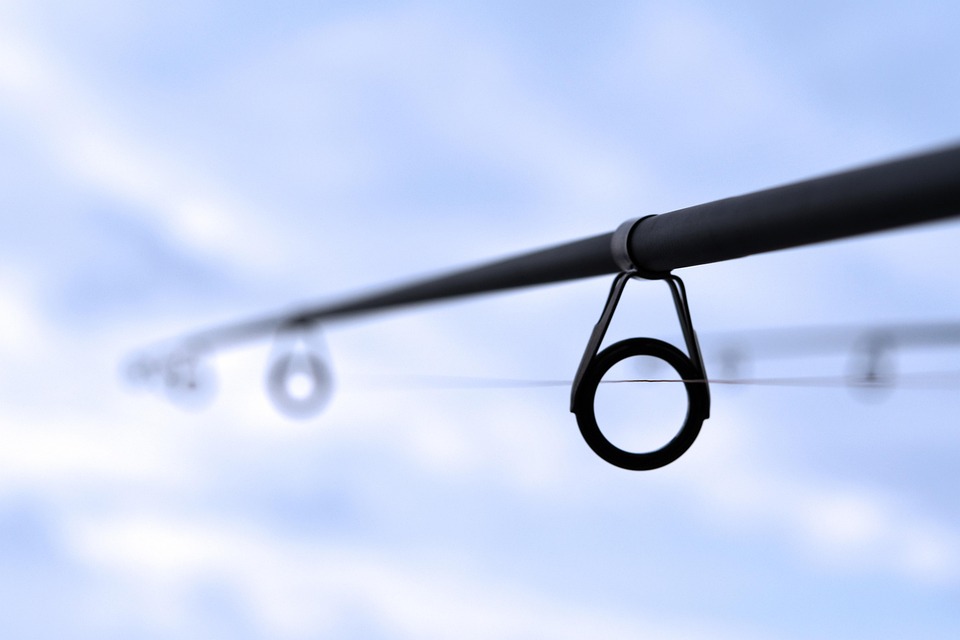
For bass, a 7 to 9-weight rod is generally the go-to choice. This range offers flexibility and enough power to handle aggressive bass. Pairing your rod with a quality, smooth reel will help with long casts and battling strong catches.
Fly Lines
Choose a weight-forward floating line for versatility. This type allows you to present your flies on the surface and sink them when needed.
Flies
The following types of flies are particularly effective for bass fishing:
- Popper Flies: Great for surface fishing, these imitate popping prey and create surface disturbances that attract bass.
- Streamers: These mimic larger baitfish and can be effective when retrieved quickly through the water.
- Clouser Minnows: A dual-tone fly that mimics the profile and movement of minnows. It’s especially effective in various fishing conditions.
Techniques for Fly Fishing for Bass
Once you’ve got your gear ready, it’s time to master some essential techniques:
1. Casting Techniques
Mastering your cast is vital in fly fishing. Practice the overhead cast (common and versatile) and the roll cast (for tight spots), both of which are foundational for presenting your fly accurately.
2. Retrieve Techniques
The way you retrieve your fly can be the difference between catching and merely casting. Here are some effective techniques:
- Strip Retrieve: Pull the line in short, quick strips to imitate injured baitfish. Adjust speed based on water temperature and bass activity.
- Popping: For poppers, give a strong strip followed by pauses to create surface commotion.
3. Reading Water
Learning to read water is probably the most underrated skill in fly fishing. Look for current breaks, structure, changes in water color, and visible fish activity. These factors will guide you to where the bass are likely situated.
Choosing the Right Location
Not all waters are created equal for bass angling. Here’s how to pick promising locations:
1. Lakes and Ponds
Look for flora-rich environments with structure. Fish around lily pads and submerged vegetation, especially during the spawning season.
2. Rivers and Streams
Focus on eddies and pools behind rocks. Bass often do not roam too far, so find a good ambush spot and be patient.
The Bass Fishing Calendar
Timing can significantly impact your success:
- Spring: As water temperatures rise and spawn begins, bass become more aggressive.
- Summer: Fish during cooler parts of the day, like early mornings or late afternoons.
- Fall: As they prepare for winter, bass feed heavily, making fall a prime time for angling.
- Winter: Bass become lethargic but can still be caught with slow retrieves in deep waters.
Conservation and Ethics in Bass Fishing
Finally, it’s crucial to practice responsible and ethical fishing. Keep the following points in mind:
- Catch and Release: Release fish as soon as possible to ensure their survival.
- Respect Local Regulations: Familiarize yourself with local fishing laws. Many areas have specific regulations on sizes, limits, and seasons.
- Leave No Trace: Clean up after yourself to maintain the beauty of the environment for future anglers.
Conclusion
Fly fishing for bass opens a world of excitement and challenge. By understanding the species, mastering the right gear, employing effective techniques, and practicing ethical fishing, you set yourself up for success. Remember that every outing is an opportunity to learn and finesse your skills. So go out there, cast your line, and connect with nature.
FAQs
1. What time of year is best for fly fishing for bass?
The best times are typically during the spring and fall when bass are most active. During warmer months, early mornings and late evenings are optimal.
2. Can you fly fish for bass in saltwater?
While this article focuses on freshwater bass, some anglers target species like striped bass in saltwater. Different techniques and flies apply in those situations.
3. Do I need a fishing license for fly fishing?
Yes, most states require a fishing license. Make sure to check local regulations before heading out.
4. What fly patterns work best for bass?
Popular fly patterns include poppers, streamers, and Clouser minnows. Experiment to see which works best in your local waters.
5. Is fly fishing harder than regular fishing?
Fly fishing requires a different skill set and technique, but many find it rewarding in its own right. Patience and practice are key.
- advanced fly fishing
- bass fly fishing
- dry fly fishing
- fly casting techniques
- fly fishing
- fly fishing destinations
- fly fishing flies
- fly fishing for beginners
- fly fishing gear
- fly fishing guides
- fly fishing reels
- fly fishing rivers
- fly fishing rods
- fly fishing species
- fly fishing techniques
- fly fishing tips
- fly tying
- fly tying patterns
- freshwater fly fishing
- lake fly fishing
- nymph fishing
- river fly fishing
- salmon fly fishing
- saltwater fly fishing
- steelhead fly fishing
- stream fly fishing
- streamer fishing
- trout fly fishing
- wet fly fishing
- worldwide fly fishing












Leave a comment