







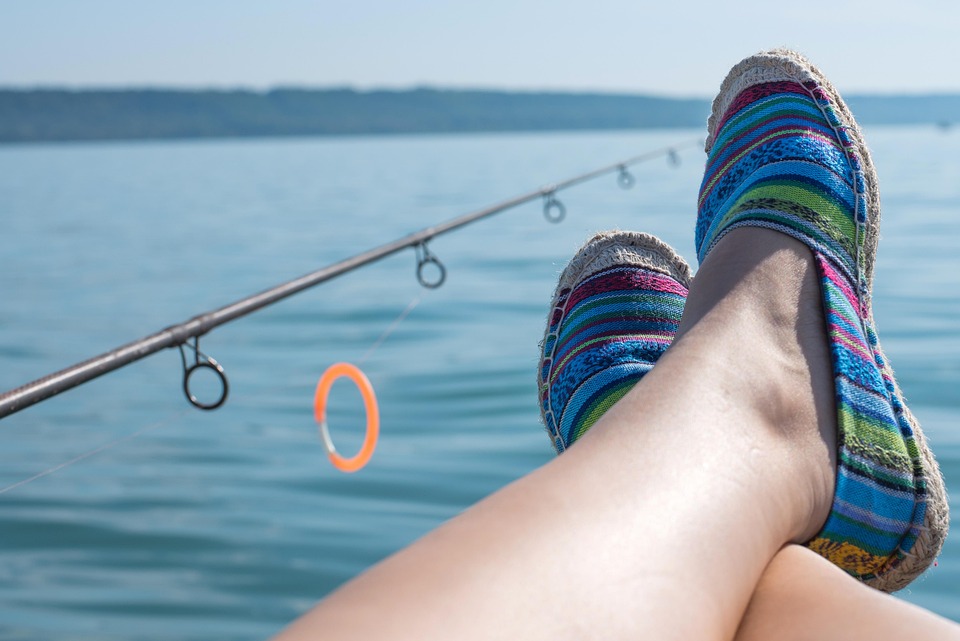


Reservoir fishing is more than just an outdoor activity; it is a connection to nature, a chance for relaxation, and a way to challenge your skills against some of the most resilient fish available. The tranquility of still waters paired with the thrill of reeling in a catch makes it a favored pastime for anglers of all levels. This article aims to dive deep into the world of reservoir fishing, providing insights into techniques, tools, seasons, and the diverse ecosystem that resides within these waters.
Understanding Reservoir Ecosystems
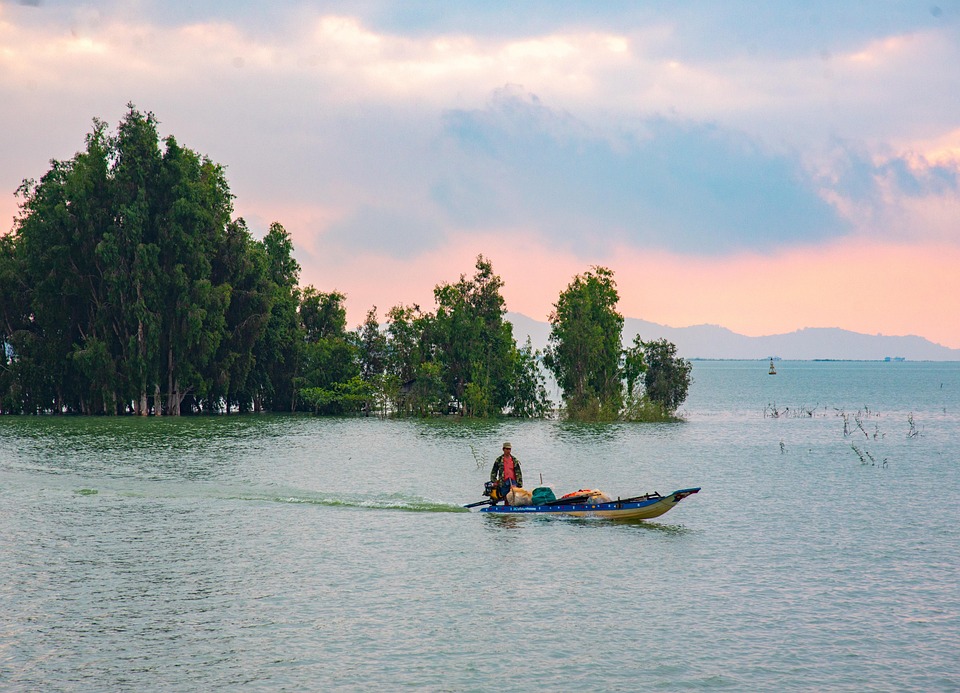
Reservoirs are man-made lakes, primarily created to store water for various purposes such as irrigation, drinking supply, power generation, and recreation. They are typically characterized by their still waters, varying depths, and diverse habitats, including submerged vegetation, rocky outcrops, and open water. This diversity creates rich ecosystems that support various fish species.
Common species found in reservoirs include:
- Largemouth Bass: Known for their aggressive feeding habits, these fish can often be caught near the surface.
- Trout: Generally found in cooler, deeper waters, trout are challenging yet rewarding catches.
- Crappie: These are schooling fish that tend to congregate around structure.
- Catfish: Often found at the bottom, catfish are notorious for their size and strength.
- Bluegill: A favorite among beginner anglers, bluegill are abundant and easy to catch.
Best Techniques for Reservoir Fishing
Successful reservoir fishing requires a good understanding of fishing techniques as well as the fish species you are targeting. Below are several effective methods to increase your chances of a successful outing:
1. Casting and Trolling
Both casting and trolling are effective methods for finding fish in a reservoir. Casting allows you to target specific spots that may harbor fish, while trolling can cover larger areas to locate schools. Essential gear for these methods includes spinning or baitcasting rods, reels, and appropriate lures or baits.
2. Bottom Fishing
This technique is particularly effective for species like catfish. It involves using sinkers to drop bait to the bottom, where fish often feed. Use bait such as worms, cut bait, or cheese to entice these bottom dwellers.
3. Float Fishing
Float fishing enables you to keep your bait suspended at a desired depth. This method is particularly effective for panfish like bluegill. Use small hooks with live bait such as crickets or worms beneath a bobber.
Choosing the Right Gear
Selecting the right gear is crucial for a successful fishing trip. Here are some essential items to consider:
Rods and Reels
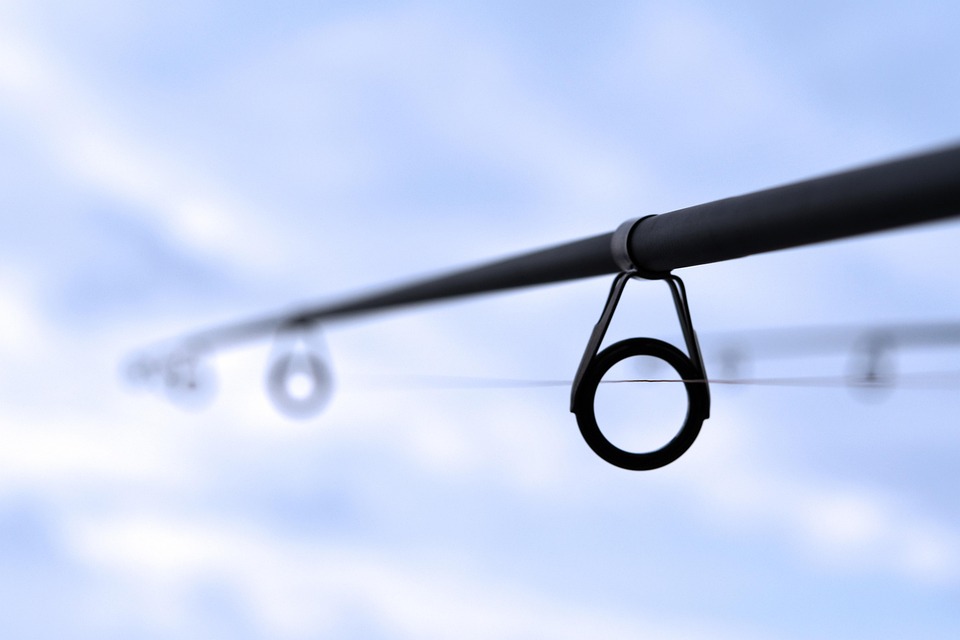
Your choice of rod and reel will depend on the species you are targeting. For bass and pike, a medium to heavy action rod with a baitcasting reel is ideal. For smaller species, a light to medium spinning rod will suffice.
Baits and Lures
Different species of fish prefer different types of bait:
- Live Bait: Worms, minnows, and leeches are effective for many species.
- Artificial Lures: Crankbaits, jigs, and spinnerbaits are particularly appealing to bass.
Other Accessories
Don’t forget about essential accessories such as fishing tackle boxes, landing nets, pliers, and a first-aid kit. Adequate clothing, sunscreen, and hydration are also vital when spending time outdoors.
Seasonal Considerations
Understanding the seasonal behavior of fish is essential to ensure a productive fishing experience:
Spring
During spring, fish are generally more active due to increasing water temperatures. This is the best time for bass fishing as they move into shallow waters to spawn.
Summer
As the heat rises, fish may retreat to cooler, deeper waters. Evening and early morning are optimal times for fishing during this season.
Fall
Fall is a great time to fish as fish often feed aggressively to prepare for winter. Focus on shallow waters where baitfish are more abundant.
Winter
Ice fishing can be very productive in frozen reservoirs. Fish move slower, so patience is key during this time. Target deeper waters for species like trout and catfish.
Fishing Etiquette and Conservation
Responsible anglers play a key role in preserving aquatic ecosystems. Here are some tips for ethical fishing:
- Practice Catch and Release: If you’re targeting species that are currently out of season or are in decline, consider releasing your catch back into the water.
- Follow Local Regulations: Always check local guidelines for size limits and bag limits.
- Clean Up After Yourself: Leave no trace by disposing of trash properly.
Conclusion
Reservoir fishing offers an abundance of opportunities for both novice and experienced anglers. From understanding ecosystem dynamics to employing effective fishing techniques, each outing provides a chance to connect with nature and enjoy the tranquillity of still waters. By selecting the appropriate gear, timing your trips seasonally, and practicing responsible fishing, you can ensure that you leave a positive impact on these fragile ecosystems for future generations. So grab your gear, find a local reservoir, and experience the joy of fishing in still waters!
FAQs about Reservoir Fishing
1. What is the best time of day for reservoir fishing?
The best times for fishing are typically early morning and late evening when fish are most active due to cooler temperatures.
2. What types of tackle do I need for reservoir fishing?
A basic tackle setup should include a rod and reel, various hooks, sinkers, bobbers, and a selection of lures or live bait appropriate for your target species.
3. Is it necessary to have a fishing license?
Yes, a fishing license is generally required in most places to fish legally. It’s essential to check local regulations for specific requirements.
4. Can I ice fish in reservoirs?
Yes, many reservoirs freeze over in winter, allowing for ice fishing. Always check the thickness of the ice for safety before venturing out.
5. How can I find the best fishing spots in a reservoir?
Look for structures like submerged trees, rocks, and grass beds, as these areas often attract fish. Local fishing reports and maps can also provide valuable information.
- bass fishing
- Bluegill Fishing
- carp fishing
- catfish fishing
- Crappie Fishing
- freshwater angling
- freshwater bait fishing
- freshwater fishing
- freshwater fishing gear
- freshwater fishing guides
- freshwater fishing species
- freshwater fishing techniques
- freshwater fishing tips
- freshwater fly fishing
- freshwater spinning fishing
- inland fishing
- lake fishing
- lakes fishing
- largemouth bass fishing
- muskie fishing
- panfish fishing
- Perch Fishing
- pike fishing
- pond fishing
- reservoir fishing
- reservoirs fishing
- river fishing
- rivers fishing
- Salmon Fishing
- smallmouth bass fishing
- stream fishing
- Tilapia Fishing
- Trout Fishing
- Walleye Fishing









Leave a comment