









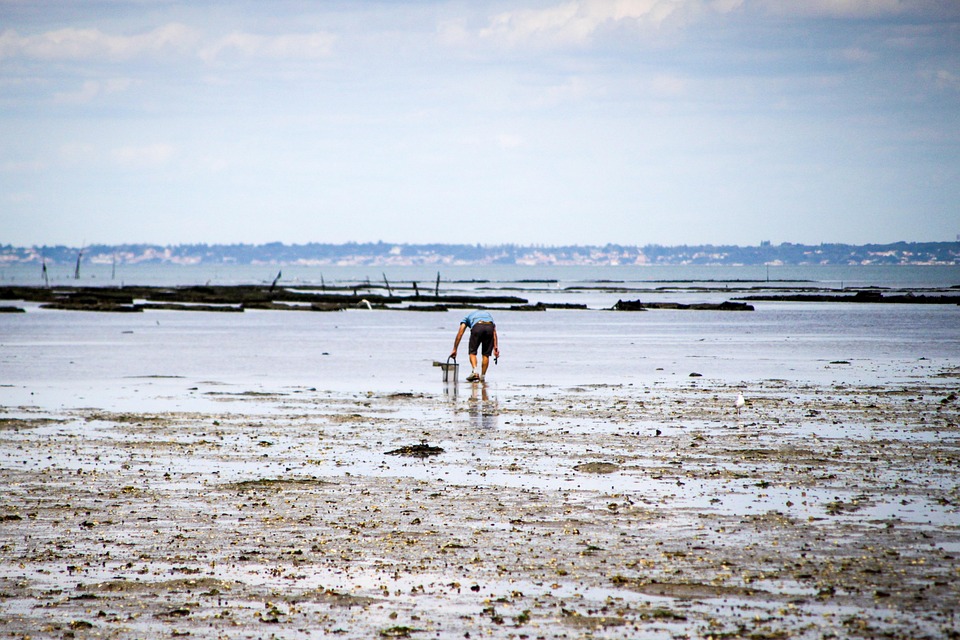
Fishing has long been a cherished pastime, an activity that offers a chance to connect with nature, find tranquility, and perhaps even catch dinner. For beginners, the thought of casting off for the first time can be daunting. However, with the right guidance and resources, you can make your fishing experience enjoyable and successful. In this article, we’ll cover everything you need to know to start your fishing journey.
The Basics of Fishing
Fishing involves seeking out fish using various techniques and tools. It can be pursued in freshwater lakes, rivers, or saltwater oceans. Understanding the basics of fishing is essential for beginners, as it sets the foundation for more advanced techniques.
Types of Fishing
- Freshwater Fishing: This includes fishing in lakes, rivers, and ponds. Common fish species include trout, bass, and catfish.
- Saltwater Fishing: This is done in oceans and seas, targeting species like tuna, marlin, and snapper.
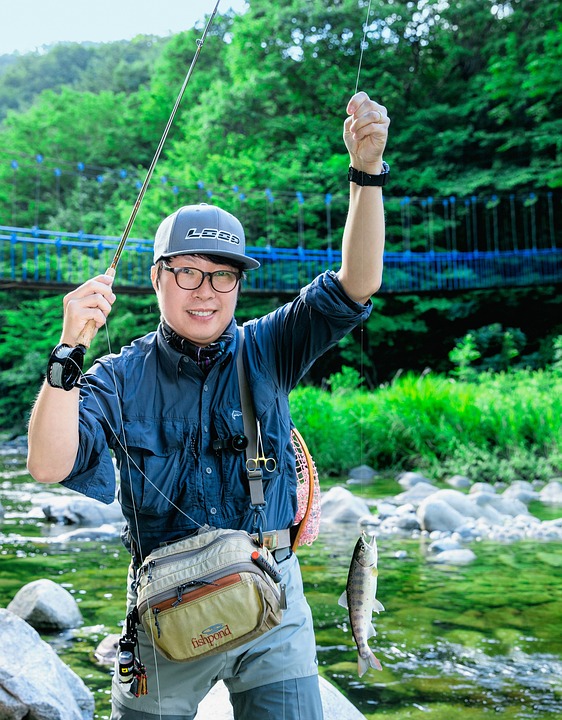
- Fly Fishing: A specialized technique using artificial flies to lure fish, often practiced in freshwater.
- Ice Fishing: Fishing through holes in frozen lakes during winter, often requiring specific equipment and knowledge.
Essential Fishing Gear
Before you head to the water, investing in the right gear is crucial. While fishing might seem simple, the equipment can significantly influence your success.
Rods and Reels
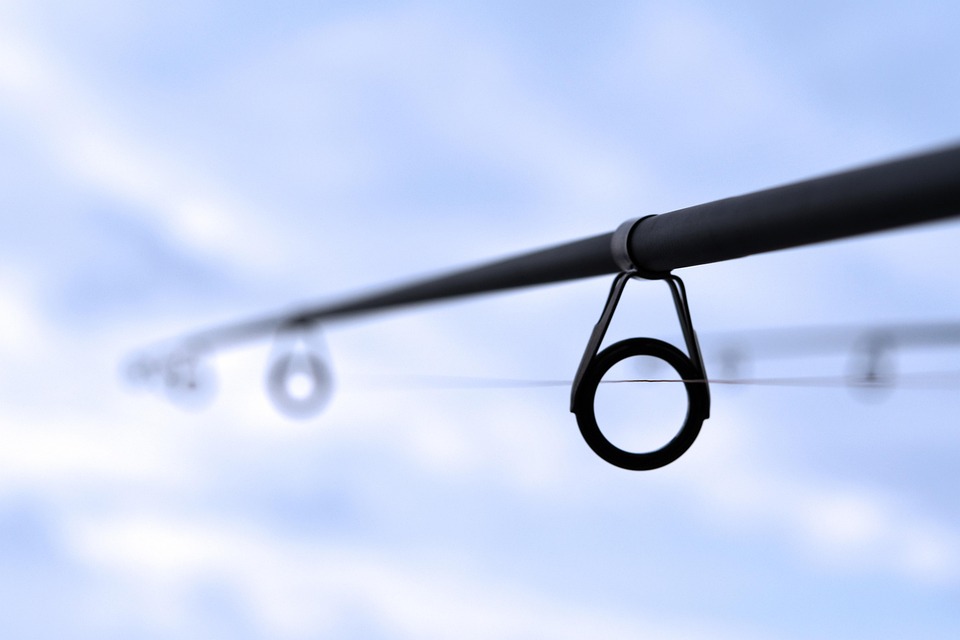
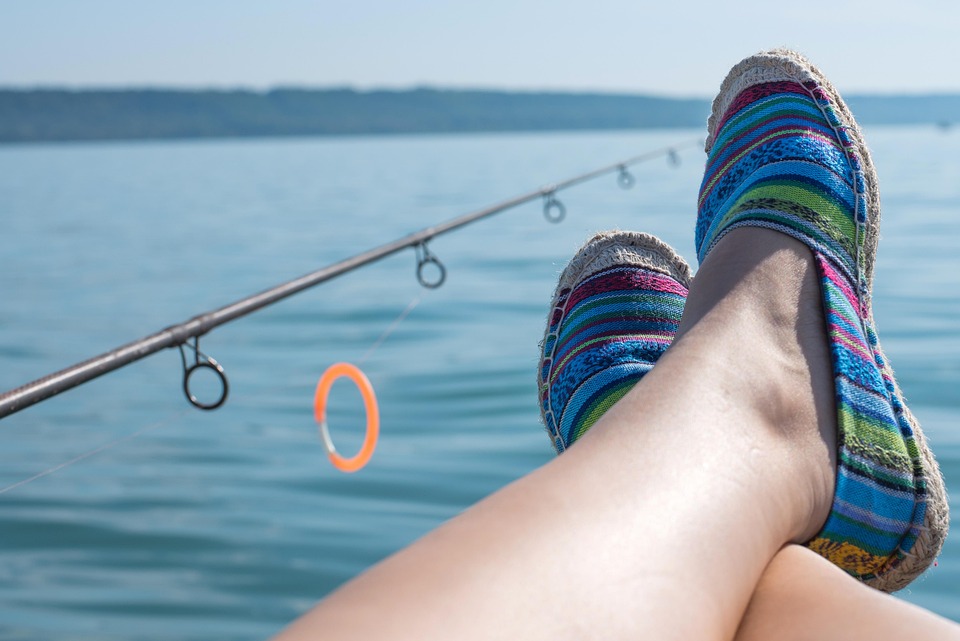
The fishing rod is your primary tool, and it comes in various lengths and materials. A beginner-friendly rod is usually around 6-7 feet long. Pair this with a spinning reel for easy use.
Fishing Line
Monofilament line is generally a good choice for beginners due to its affordability and ease of handling. Choose a line with a suitable pound test for the fish you intend to catch.
Bait and Lures
Fishing can be done with live bait (worms, minnows) or artificial lures (spinners, jigs). Understanding which bait to use for specific fish is crucial.
Other Accessories
- Hooks: Different sizes for different fish.
- Sinkers: To weigh down the line.
- Bobbers: To indicate when a fish bites.
- Fishing License: Ensure you have the appropriate license for your location.
Understanding Fish Habitats
Knowing where to find fish can enhance your fishing experience. Fish are often found in specific habitats according to their species.
Freshwater Locations
- Lakes: Look for structures like submerged rocks, vegetation, or drop-offs.
- Rivers: Target areas with current breaks, pools, or eddies.
Saltwater Locations
- Shorelines: Fish often congregate around jetties and piers.
- Reefs: These are ideal spots for larger game fish.
Basic Fishing Techniques
Once you have your gear and know where to fish, understanding basic fishing techniques becomes essential.
Casting
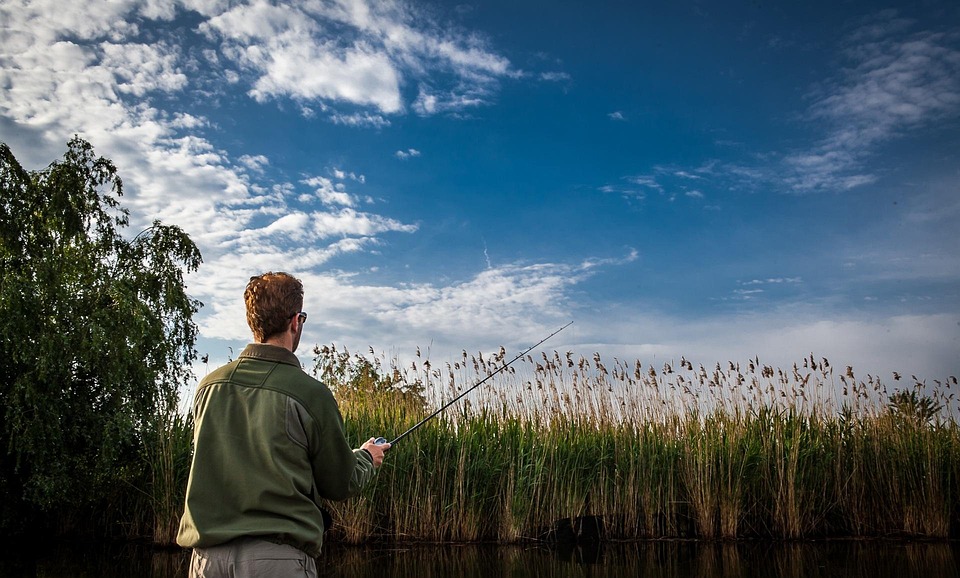
Learning to cast is an important skill for any angler. Hold your rod at a 45-degree angle, release the line smoothly, and use your wrist to flip the rod forward. Practice in open areas before attempting in water.
Reeling In
Once you feel a bite, it’s crucial to react quickly. Set the hook by giving a gentle upward tug and then reel in steadily. Be patient and let the fish tire before bringing it close.
Catch and Release
Many anglers practice catch and release to conserve fish populations. If you choose this method, wet your hands before handling the fish to protect its slime coat.
Safety and Environmental Awareness
Fishing is a fun but serious activity that requires a commitment to safety and environmental respect. Always wear a life jacket if you’re on a boat, stay informed about weather conditions, and follow local fishing regulations.
Environmental Conservation
Practicing responsible fishing helps protect aquatic ecosystems. Avoid littering, use biodegradable materials when possible, and educate others on the importance of sustainable practices.
Conclusion
Fishing is more than just a hobby; it’s a way to connect with nature, unwind from daily stresses, and bond with friends and family. As a beginner, the journey may seem overwhelming, but remember that every experienced angler was once a novice. With the right gear, techniques, and respect for the environment, you’ll not only catch fish but also create lasting memories along the way. Happy fishing!
FAQs
What type of fishing is best for beginners?
Freshwater fishing is often recommended for beginners due to its accessibility and the variety of fish available.
Do I need a fishing license?
Yes, most regions require a fishing license to ensure sustainable fishing practices. Check local regulations for specifics.
What is the best bait for beginners?
Nightcrawlers (earthworms) are widely effective and easy to find, making them a great choice for beginners.
How can I learn more about fishing?
Consider joining a local fishing club, taking beginner classes, and utilizing online resources and forums for guidance.
Can I fish from the shore?
Absolutely! Many successful anglers fish from the shore, especially in lakes and rivers, where fish are often close to the bank.
- beginner bass fishing
- beginner carp fishing
- beginner catfish fishing
- beginner fishing advice
- beginner fishing baits
- beginner fishing gear
- beginner fishing guides
- beginner fishing guides online
- beginner fishing knots
- beginner fishing lures
- beginner fishing mistakes
- beginner fishing reels
- beginner fishing rods
- beginner fishing strategies
- beginner fishing techniques
- beginner fishing tips
- beginner fishing trips
- beginner fishing tutorials
- beginner fishing videos
- beginner fly fishing
- beginner freshwater fishing
- beginner muskie fishing
- beginner panfish fishing
- beginner pike fishing
- beginner saltwater fishing
- beginner trout fishing
- fishing basics
- fishing for beginners
- how to fish
- new anglers tips






Leave a comment