













The muskie (Esox masquinongy), often dubbed the “fish of ten thousand casts,” harbors an enigmatic allure for anglers around North America. Known for its fierce predatory nature and impressive size—often exceeding 50 inches—it presents a unique challenge that captivates both seasoned veterans and enthusiastic novices. This article delves into the essential strategies, techniques, and best practices for successfully targeting this elusive fish.
Understanding the Muskie
Before diving into strategies, it’s crucial to understand the muskie’s habitat, behavior, and feeding patterns. Muskies thrive in freshwater lakes and rivers, preferring areas with abundant cover such as weeds, fallen trees, and rocky structures. They are ambush predators, often remaining motionless until prey comes within striking distance.
Behavioral Patterns
Muskies are primarily crepuscular, meaning they are most active during dawn and dusk. Their hunting strategies vary with the seasons:
- Spring: As the water warms, muskies begin to spawn, making them more aggressive and likely to roam shallower waters.
- Summer: During hot months, muskies retreat to cooler, deeper zones and are often found near submerged structures.
- Fall: As temperatures drop, muskies prepare for winter and can often be found in shallow waters, feeding aggressively.
- Winter: In colder months, their metabolism slows, and they become less active, making fishing more challenging.
Essential Gear for Muskie Fishing
Successfully targeting muskies requires appropriate gear. Unlike traditional freshwater fishing, muskie fishing necessitates durable equipment that can withstand the power of these large fish.
Rod and Reel
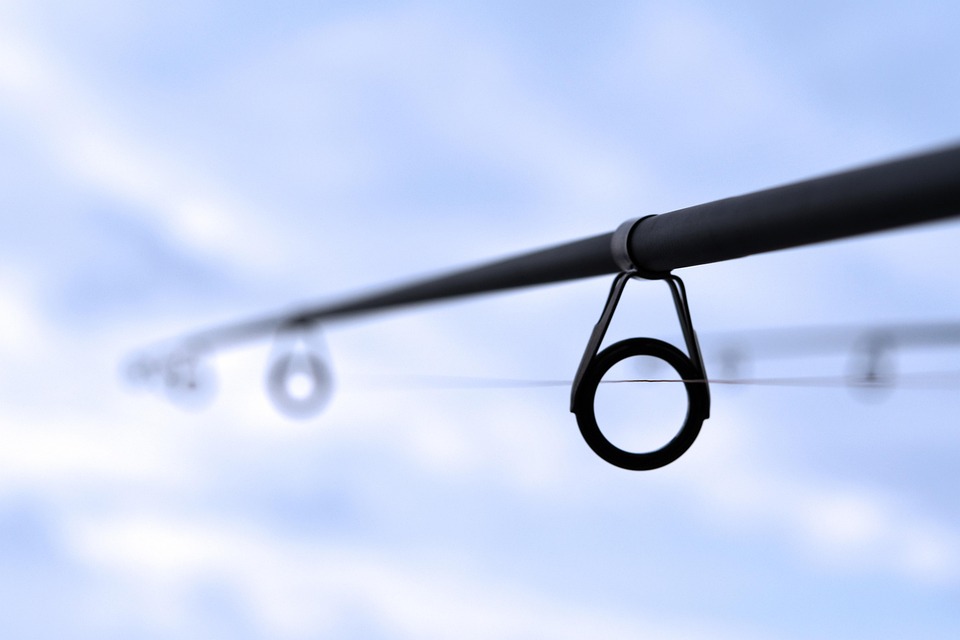
A sturdy, heavy-action rod ranging from 7 to 9 feet is recommended for muskie fishing. Pair it with a high-capacity baitcasting reel that can hold up to 200 yards of strong braided line, usually between 80 to 130 lb test.
Lines and Leaders
Due to the muskie’s sharp teeth, using a steel or fluorocarbon leader is essential. These materials help prevent bite-offs while offering lower visibility in the water.
Baits and Lures
Muskies are less picky than other species, but the right bait can significantly enhance your chances of a successful catch. Consider these options:
- Large Crankbaits: Their size and noise attract attention.
- Spinnerbaits: Effective in both clear and murky waters.
- Topwater Lures: Ideal for exciting surface strikes during early morning or late evening.
- Swimbaits: Mimic the movement of prey and can provoke strikes from distant muskies.
Effective Fishing Techniques
While having the right gear is vital, employing effective fishing techniques is equally important. Here are several methods to optimize your bait presentation and attract muskies:
Figure-Eight Technique
The figure-eight technique is a popular method among muskie anglers. After reeling in your lure close to the boat, make sweeping figure-eight motions with the bait at the water’s surface. This movement can entice any lurking muskies to strike at the last moment.
Pitching and Flipping
When fishing in heavy cover, pitching and flipping lures into tight spots can produce impressive results. This technique allows for more precise casts, increasing your chances of tempting a muskie hiding among structure.
Slow and Steady Retrieve
Often, a slow and steady retrieve will work wonders with larger baits. This method allows muskies ample time to track and strike, especially during warmer weather when fish are less active.
Choosing the Right Location
Identifying the right fishing locations is crucial for muskie success. Focus on the water’s structure and current. Areas such as:
- Weed Flats: Fertile zones that provide ample food supply for prey fish.
- Submerged Logs and Rocks: Prime ambush points for muskies.
- Points and Structures: Features that create breaks in current or thermal edges are often hot spots.
- Current Breaks: Areas where fish gather while waiting for food to drift by.
Weather Considerations
Weather can significantly impact muskie fishing success. Overcast days often provide the best conditions, as muskies tend to be more active in low-light situations. Conversely, fishing immediately following a cold front can be challenging, as muskies may retreat and become less willing to strike. Keeping an eye on water temperature and weather changes can drastically improve your angling strategy.
The Importance of Patience and Persistence
One of the most essential traits a muskie angler must cultivate is patience. The muskie’s elusive nature means that a day on the water might yield minimal action. However, each cast brings with it the potential for a thrilling encounter. Building a rapport with local waters, understanding seasonal patterns, and refining techniques takes time but is integral to long-term success.
Conclusion
Chasing muskies is not just about fishing; it’s about embracing the thrill of the pursuit, understanding the intricacies of the waters you venture into, and learning from each experience. With the right equipment, techniques, and a healthy dose of patience, every angler can increase their odds of encountering these magnificent predators. As you embark on your quest, remember that each moment spent chasing the elusive muskie enriches your appreciation for the sport and the great outdoors.
FAQs
Q: What is the best time of year to catch muskies?
A: Spring and fall are considered the prime seasons for muskie fishing. In spring, they are often found in shallow waters during spawning, and in fall, their aggressive feeding behavior makes them easier to catch.
Q: Do muskies bite during the winter?
A: While muskies become less active during winter months, they can still be caught through ice fishing. However, the success rate dramatically decreases compared to other seasons.
Q: Are muskies catch and release?
A: Many anglers practice catch and release with muskies to protect their populations. It’s essential to handle muskies with care to ensure their survival after release.
Q: What tools are necessary for muskie fishing?
A: Essential tools include a heavy-action rod, baitcasting reel, strong braided line, various lures, and a landing net specifically designed for larger fish.
Q: Can I catch muskies from shore?
A: Yes, it is possible to catch muskies from the shore, especially in areas where they feed. However, having a boat can significantly increase your chances due to access to deeper water and prime locations.
- bass fishing
- Bluegill Fishing
- carp fishing
- catfish fishing
- Crappie Fishing
- freshwater angling
- freshwater bait fishing
- freshwater fishing
- freshwater fishing gear
- freshwater fishing guides
- freshwater fishing species
- freshwater fishing techniques
- freshwater fishing tips
- freshwater fly fishing
- freshwater spinning fishing
- inland fishing
- lake fishing
- lakes fishing
- largemouth bass fishing
- muskie fishing
- panfish fishing
- Perch Fishing
- pike fishing
- pond fishing
- reservoir fishing
- reservoirs fishing
- river fishing
- rivers fishing
- Salmon Fishing
- smallmouth bass fishing
- stream fishing
- Tilapia Fishing
- Trout Fishing
- Walleye Fishing












Leave a comment